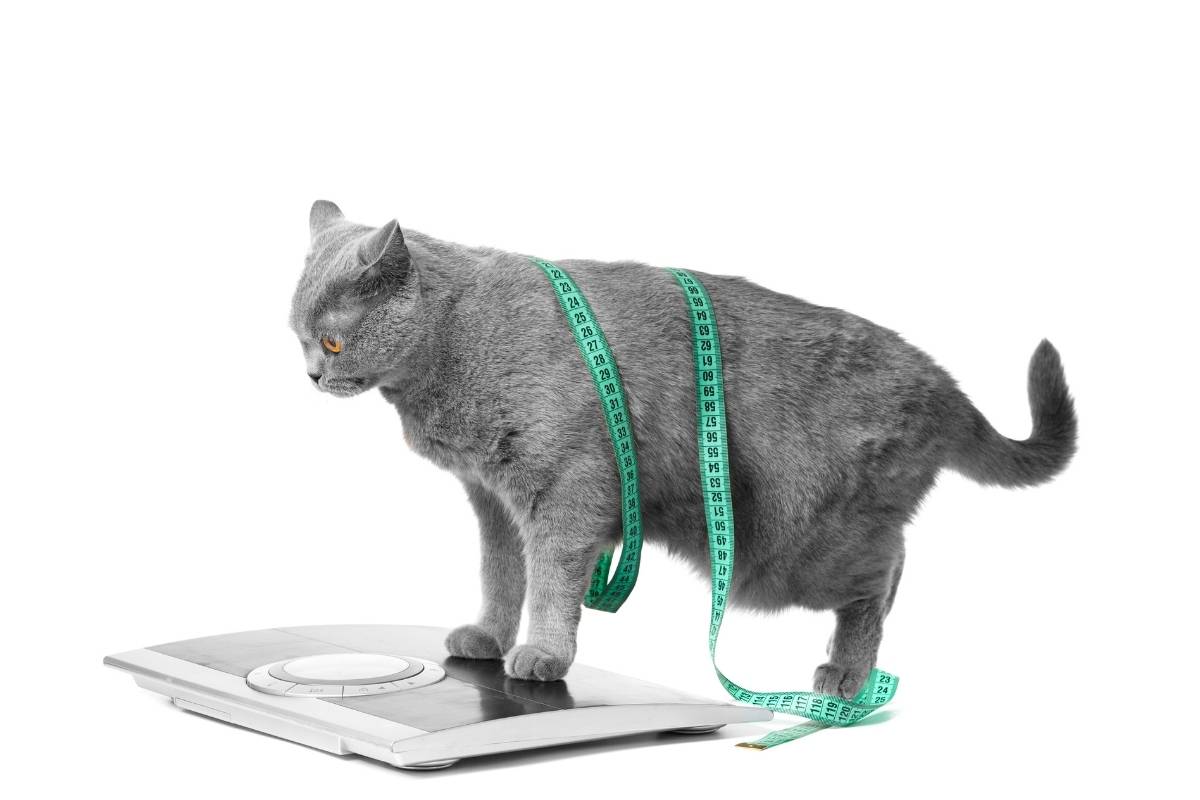
Many cat owners notice changes in their pet’s body after a spay procedure, often leading to a common concern: “Why does my cat seem bigger after being spayed?” While it may appear sudden, these changes are usually gradual and linked to natural shifts in your cat’s metabolism and behavior.
At Crysler Animal Hospital, we frequently guide pet owners through what to expect after pet surgery, including physical and behavioral changes. Spaying is an important procedure that offers long-term health benefits, but understanding how it may affect your cat’s weight and body condition is essential for proper care.
This guide explains why some female cats gain weight after being spayed and how you can help maintain a healthy balance for your pet.
1. Hormonal Changes After Spaying
Spaying involves removing the ovaries and uterus, which leads to a decrease in reproductive hormones such as estrogen. These hormones play a role in regulating metabolism and appetite.
After the procedure, your cat’s metabolism may slow slightly, meaning she burns fewer calories than before. At the same time, her appetite may increase. This combination can contribute to gradual weight gain if feeding habits are not adjusted.
2. Reduced Activity Levels
Another factor that can contribute to weight gain is a decrease in activity. Female cats that are no longer experiencing heat cycles often become calmer and less restless.
While this behavioral change can make your cat more relaxed and comfortable, it may also lead to fewer calories burned throughout the day. Less movement combined with unchanged feeding portions can result in weight gain over time.
3. Increased Appetite
It’s common for spayed cats to show more interest in food. Without hormonal fluctuations, their hunger signals may become more consistent—or even slightly increased.
If portion sizes are not carefully managed, this increased appetite can lead to overeating. Free-feeding (leaving food out all day) may make it harder to monitor intake, especially after pet surgery.
4. It’s Not the Surgery Itself
It’s important to understand that spaying does not directly cause weight gain. Instead, it changes your cat’s internal balance, which can influence how calories are used and stored.
With proper nutrition and lifestyle adjustments, many spayed cats maintain a healthy weight throughout their lives. The key is recognizing these changes early and adapting your care routine accordingly.
5. How to Prevent Weight Gain After Spaying
Preventing weight gain is entirely possible with a proactive approach.
Helpful strategies include:
- Feeding measured portions instead of free-feeding
- Choosing a high-quality, balanced diet
- Considering a weight-control or spay-specific formula if recommended
- Monitoring your cat’s body condition regularly
Small adjustments can make a significant difference in maintaining a healthy weight.
6. Encourage Regular Activity
Keeping your cat active is one of the best ways to prevent weight gain.
Simple ways to promote activity:
- Interactive toys (feather wands, laser pointers)
- Scheduled play sessions
- Climbing trees or scratching posts
- Puzzle feeders to encourage movement
Even short, daily play sessions can help maintain muscle tone and prevent excess weight.
7. When to Talk to Your Veterinarian
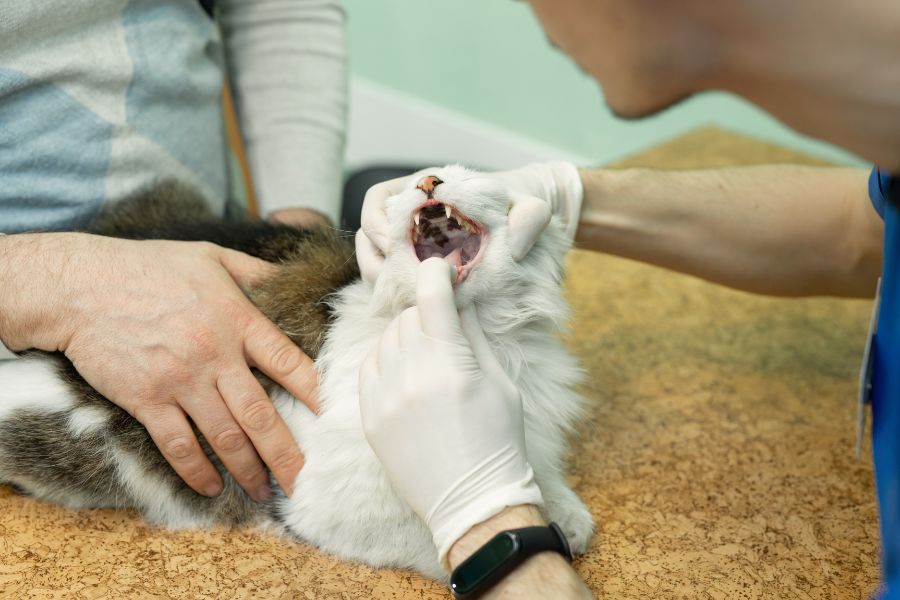
If you notice rapid weight gain or are unsure about your cat’s diet, it’s best to consult your veterinarian. They can assess your cat’s body condition, recommend appropriate food, and create a personalized care plan.
Early intervention is key to preventing obesity-related health issues such as diabetes, joint problems, and reduced mobility.
It’s completely normal for female cats to experience changes in appetite, activity, and metabolism after being spayed. While these changes can lead to weight gain, they are manageable with the right approach to diet and exercise.
This guide is designed to support cat owners everywhere in understanding and managing post-spay changes. However, having access to trusted veterinary care can make a meaningful difference. For pet families in Independence, MO, and surrounding areas, working with a reliable provider like Crysler Animal Hospital can help ensure your cat maintains a healthy weight and enjoys a comfortable, active life.
If you have concerns about your cat’s weight or post-spay recovery, professional guidance can help. You can schedule your appointment at Crysler Animal Hospital to receive personalized care and nutritional advice tailored to your cat’s needs.
FAQs
Q1: Is it normal for my cat to gain weight after being spayed?
Ans: Yes, mild weight gain can occur due to hormonal and metabolic changes, but it can be managed with proper care.
Q2: How soon after spaying will my cat gain weight?
Ans: Weight changes usually happen gradually over weeks or months, not immediately after surgery.
Q3: Should I change my cat’s diet after spaying?
Ans: In some cases, switching to a calorie-controlled or spray-specific diet may be beneficial. Consult your veterinarian.
Q4: How much should I feed my spayed cat?
Ans: Portion size depends on your cat’s age, weight, and activity level. Your vet can provide personalized recommendations.
Q5: Can exercise help prevent weight gain?
Ans: Yes, regular play and activity are essential for maintaining a healthy weight.
Q6: When should I be concerned about my cat’s weight?
Ans: If your cat gains weight rapidly or becomes less active, it’s best to consult your veterinarian.