Watching a kitten grow is a rewarding experience, and many owners find themselves wondering how big their cat will eventually become. Although each cat develops at its own pace, there is a general growth pattern that most follow. Moreover, understanding this timeline helps owners provide proper nutrition, health care, and living arrangements.
In this blog, a detailed look is provided into feline development, key milestones, and what influences size. Additionally, the commonly asked question—when do cats stop growing—is addressed throughout to offer clarity and guidance.
The Early Growth Stage: Birth to 6 Months
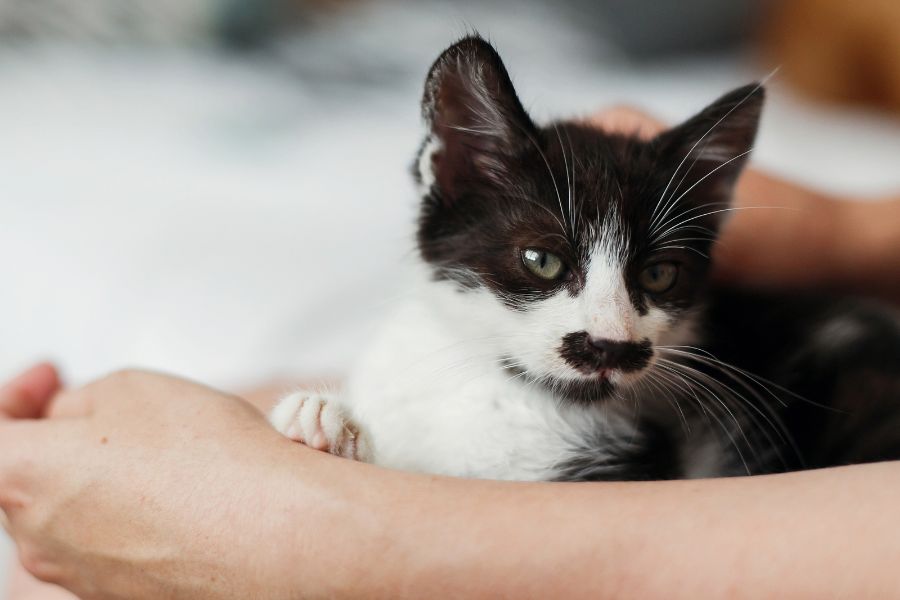
During the first months of life, kittens typically grow at their fastest rate. From birth to around 6 months, rapid changes are observed in their size, coordination, and behavior. At just a few weeks old, daily weight gain is expected as the kitten’s body works efficiently to build muscle, bone, and mobility.
By 2–3 months, kittens usually begin transitioning from mother’s milk to solid food, and their energy levels dramatically increase. Significant development occurs in their bones and joints, meaning proper nutrition is essential. Furthermore, when do cats stop growing becomes a relevant question even at this stage because early growth sets the foundation for later size.
The Adolescent Stage: 6 to 12 Months
As kittens enter adolescence, growth continues but at a slower pace. Most will experience noticeable increases in height and length between 6 and 12 months. The fluffy, round kitten appearance usually shifts to a leaner, more athletic build. However, this does not mean their growth is complete.
During this period, when cats stop growing is often asked, especially as changes become less dramatic. Even so, the skeletal system continues to develop, muscles strengthen, and adult teeth fully settle. Neutering or spaying may influence weight gain, but these changes typically affect body composition more than final size.
The Young Adult Stage: 12 to 18 Months
Although many cats appear fully grown by their first birthday, internal development is still being completed. Between 12 and 18 months, gradual increases in weight and muscle density occur. Additionally, breed differences play an important role. For example, larger cat breeds may still demonstrate steady growth during this stage.
At this time, owners often assume their cat has reached full size. Nevertheless, when cats stop growing remains dependent on genetics, diet, and breed characteristics. Proper nutrition and routine veterinary checkups—perhaps with an Independence veterinarian—can support healthy development while preventing unnecessary weight issues.
Large Breeds: Growth up to 3–4 Years
While most domestic cats reach their full adult size by 12–18 months, some breeds take much longer. Maine Coons, Ragdolls, Norwegian Forest Cats, and Savannah cats are known for extended growth periods. In these breeds, development can continue until 3–4 years of age. Their large bone structures, heavier muscles, and slow maturation rate contribute to their impressive size.
Therefore, when cats stop growing varies significantly among breeds. Understanding this is essential for setting realistic expectations and planning for appropriate living space, feeding schedules, and healthcare needs.
Factors That Influence Your Cat’s Final Size
Several elements contribute to how big a cat becomes. These include:
1. Genetics
A cat’s DNA plays the most significant role in determining height, weight, and body length. Cats with larger parents often grow larger themselves. Breed-specific traits also influence structure and growth patterns.
2. Nutrition
A balanced diet supports bone density, muscle development, and overall health. Poor nutrition during the early months may lead to stunted growth or long-term health concerns. Conversely, overfeeding can cause unhealthy weight gain without increasing actual size.
3. Health and Veterinary Care
Chronic illnesses, parasites, and developmental issues can impact growth. Regular veterinary visits ensure problems are detected early and treated promptly, helping maintain a healthy growth trajectory.
4. Physical Activity
Cats that remain active tend to build stronger muscles and maintain a healthy body shape. Play sessions, environmental enrichment, and space for movement support proper development.
5. Hormonal Changes
Spaying or neutering does not stop growth; however, it may slightly affect metabolism and appetite. This influences weight but not final skeletal size.
Together, these factors help determine when cats stop growing and how large they eventually become.
How to Know If Your Cat Has Reached Its Adult Size
Although every cat grows differently, a few signs may indicate that growth has slowed or stopped:
- Body length and height remain consistent for several months
- Weight gain is minimal and steady
- The cat displays adult proportions rather than lanky kitten features
- Appetite stabilizes
- Energy levels become more predictable
However, continuing to monitor your pet’s health is recommended, even after visible growth has stopped. Since when do cats stop growing can vary, but paying attention to subtle changes ensures your cat remains healthy and strong.
Supporting Healthy Growth in Cats
To encourage proper development at every stage, a few guidelines can be followed:
Provide Balanced Nutrition
Feed high-quality kitten food during the early months and transition to adult food at the right time. Consult with your veterinarian for personalized recommendations.
Encourage Active Play
Use toys, climbing structures, and interactive sessions to help strengthen muscles and support mental well-being.
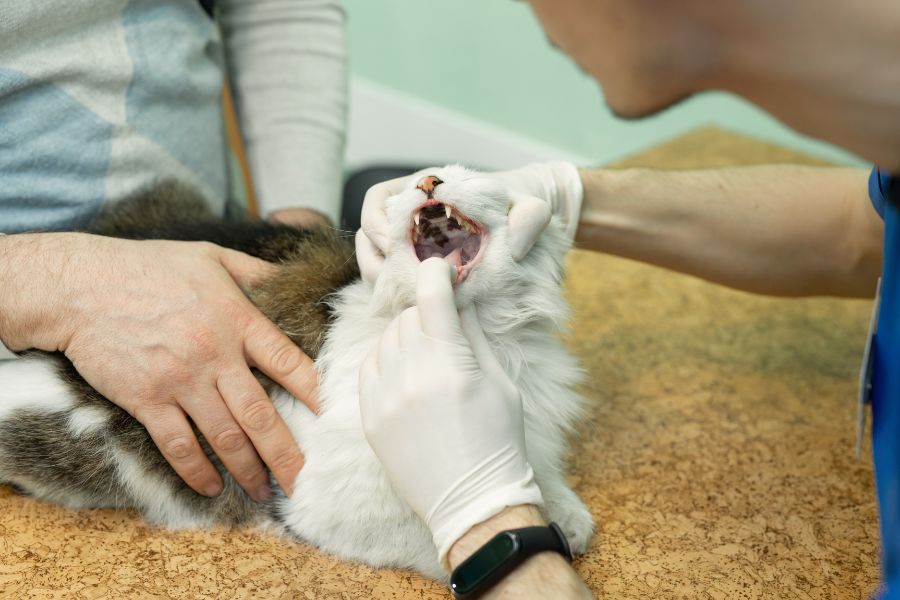
Maintain Regular Veterinary Checkups
Routine exams ensure your cat is growing correctly and receiving preventive care. Early detection of health issues keeps your pet on track.
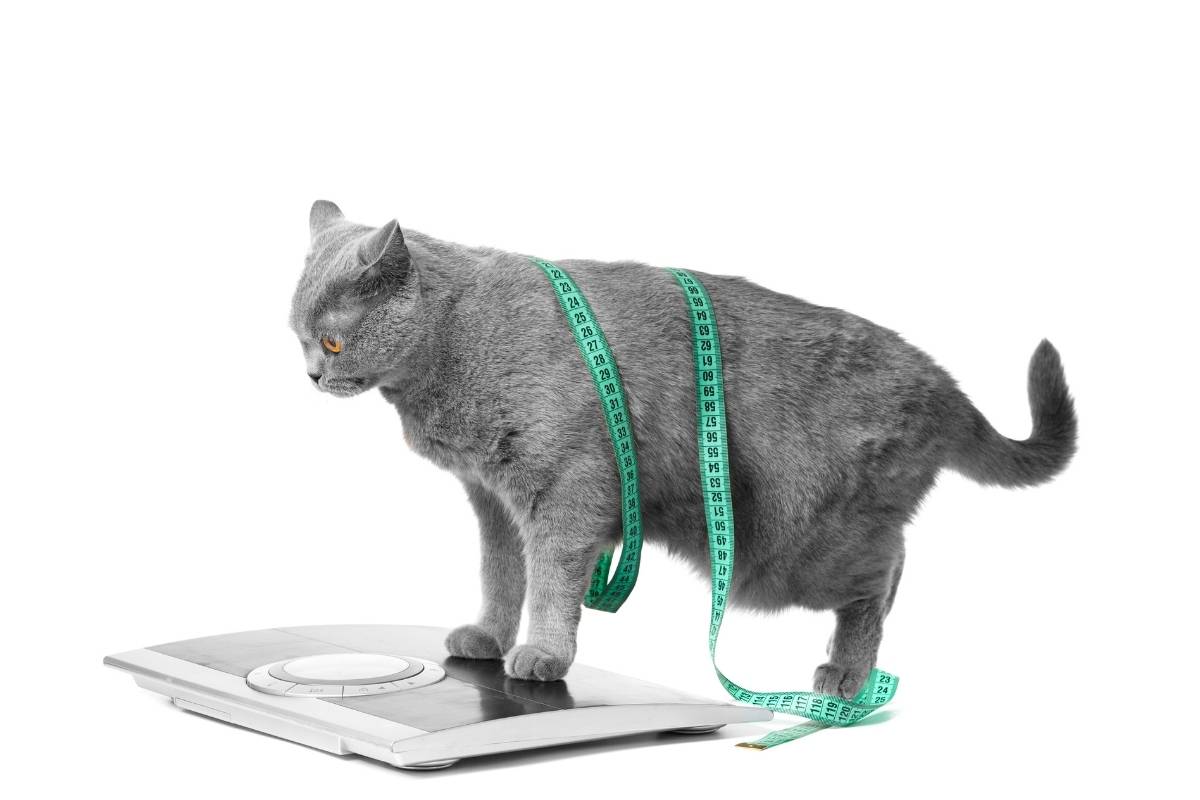
Monitor Body Weight
Keeping track of your cat’s weight helps determine whether growth is healthy or if adjustments are necessary.
With these steps, your cat’s journey from kittenhood to adulthood can be supported more effectively.
Understanding feline growth allows owners to better care for their pets throughout every developmental stage. While many cats reach their adult size within their first year, others continue growing well into their second year or beyond, especially larger breeds.
By recognizing key milestones, being aware of health and nutrition, and asking questions like when do cats stop growing, owners can ensure their pets grow strong, healthy, and happy.
Frequently Asked Questions(FAQs):
1. When do most cats stop growing?
A: Most cats stop growing between 12 and 18 months, although some breeds continue developing up to 3–4 years.
2. Do male cats grow larger than females?
A: Generally, male cats tend to be larger, but individual growth can vary based on genetics and health.
3. Does neutering affect how big my cat will get?
A: Neutering does not stop growth, but it may influence metabolism and weight gain.
4. Why is my cat smaller or larger than average?
A: Genetics, nutrition, breed, and health conditions can all influence size differences.
5. How can I ensure healthy growth?
A: Providing quality food, scheduling regular veterinary visits, and encouraging exercise help support proper development.