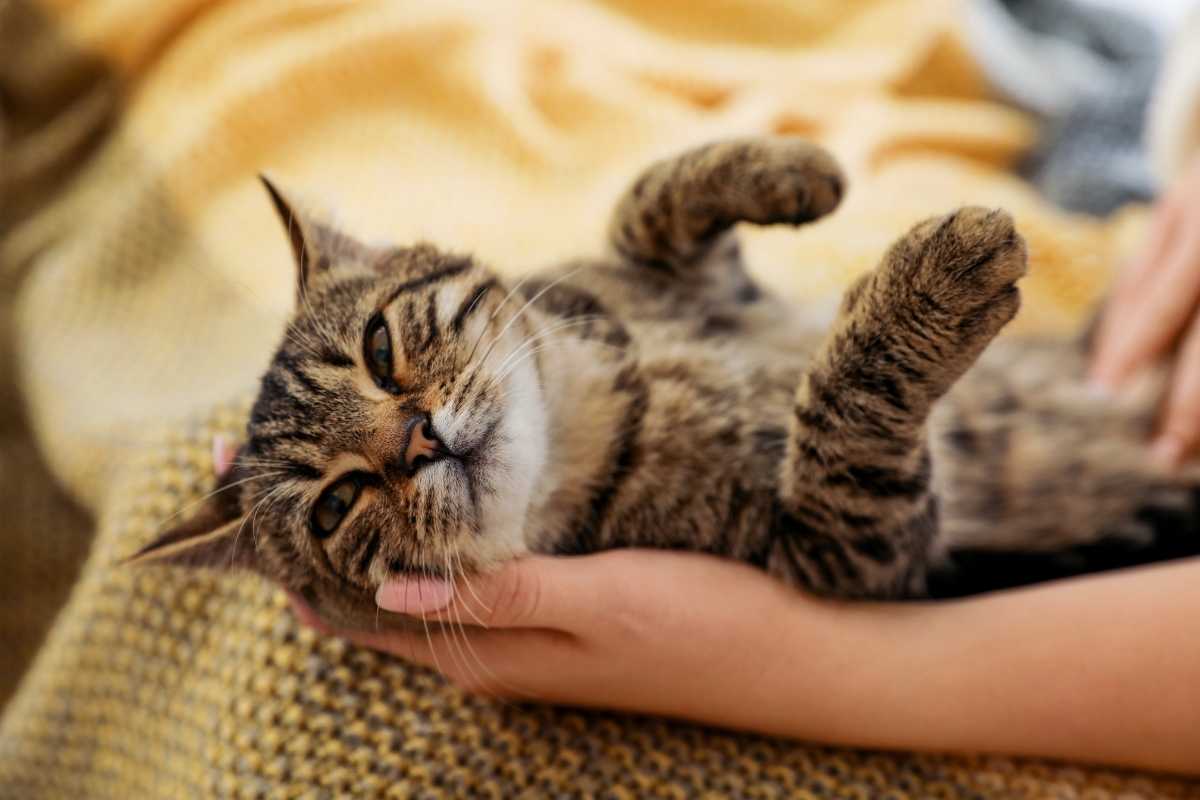
Constipation is a common digestive issue that can affect cats of any age, although it occurs more frequently in middle-aged and senior felines. While an occasional change in bowel habits may not be a cause for concern, ongoing constipation can lead to discomfort, reduced appetite, and more serious health complications if left untreated.
Cats are known for hiding signs of illness, which means constipation often goes unnoticed until symptoms become more obvious. A cat that strains in the litter box, passes small or hard stools, or avoids eating may be experiencing digestive discomfort that requires attention.
Seeking veterinary care early is one of the best ways to identify the underlying cause of constipation and prevent complications. Whether the problem is related to dehydration, diet, hairballs, or an underlying medical condition, prompt evaluation can help your cat recover more comfortably.
This guide explains what constipation is, why it happens, the warning signs to watch for, available treatment options, and practical ways to help prevent constipation in cats.
What Is Constipation in Cats?
Constipation occurs when a cat has difficulty passing stool or experiences infrequent bowel movements. As waste remains in the colon for longer periods, more water is absorbed from the stool, making it dry, hard, and increasingly difficult to pass.
Occasional constipation may resolve with appropriate care, but persistent or recurring constipation should never be ignored because it can lead to more severe digestive problems.
What Causes Constipation in Cats?
Many different factors can contribute to constipation. Sometimes the cause is simple, while other cases involve underlying medical conditions.
Dehydration
Water plays an essential role in keeping stool soft and easy to pass. Cats that do not drink enough water may develop dry, firm stools that are difficult to eliminate.
Dehydration may occur due to:
- Reduced water intake
- Illness
- Hot weather
- Kidney-related conditions
Low Fiber or Unbalanced Diet
Nutrition directly affects digestive health.
A diet that lacks adequate fiber or does not meet a cat’s individual nutritional needs may contribute to constipation.
Some cats benefit from dietary adjustments recommended by a veterinarian.
Hairballs
Cats naturally swallow hair while grooming. In some cases, excessive hair accumulation may slow normal digestion or contribute to constipation.
Long-haired breeds may be at greater risk due to increased grooming and shedding.
Lack of Physical Activity
Exercise helps stimulate normal intestinal movement.
Cats that spend most of their time indoors or have reduced mobility may experience slower digestion.
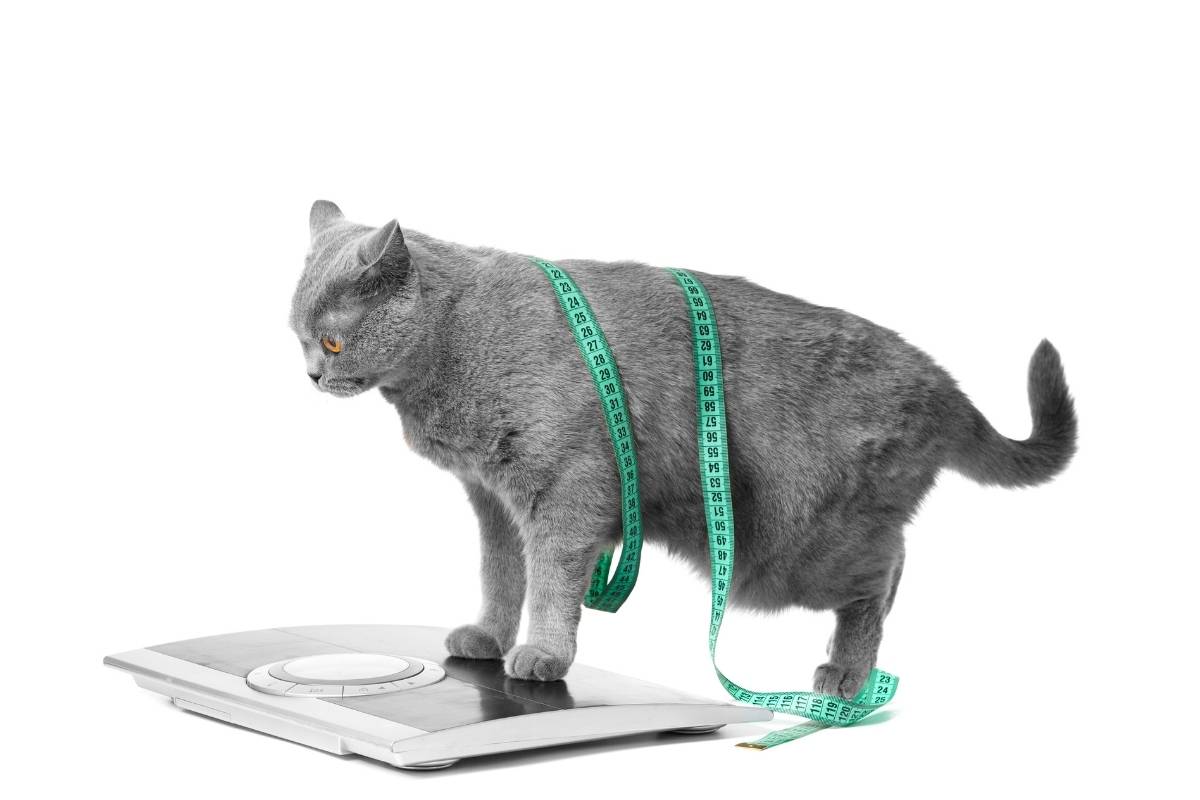
Obesity
Excess body weight can reduce activity levels and contribute to digestive changes, increasing the likelihood of constipation.
Stress and Environmental Changes
Cats are sensitive to changes in their surroundings.
Potential stressors include:
- Moving to a new home
- Changes in routine
- New pets
- Dirty litter boxes
- Household disruptions
Stress may affect both appetite and bowel habits.
Underlying Medical Conditions
Some health conditions may contribute to chronic constipation, including:
- Neurological disorders
- Pelvic injuries
- Colon disorders
- Kidney disease
- Certain medications
Identifying the underlying cause is essential for successful treatment.
Symptoms of Constipation in Cats
The signs of constipation may develop gradually.
Watch for symptoms such as:
- Straining in the litter box
- Passing small, hard stools
- Fewer bowel movements
- Crying while attempting to defecate
- Reduced appetite
- Vomiting
- Lethargy
- Abdominal discomfort
- Spending more time in the litter box without producing stool
Because these symptoms may also occur with urinary problems, veterinary evaluation is important whenever a cat repeatedly strains in the litter box.
How Veterinarians Diagnose Constipation
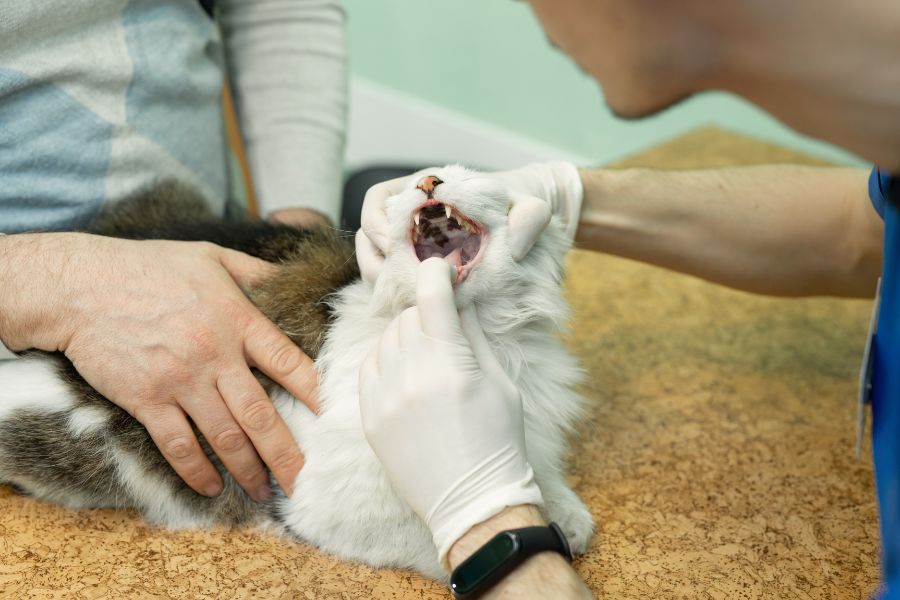
Diagnosing constipation begins with a thorough physical examination and review of your cat’s medical history.
Your veterinarian may ask questions about:
- Diet
- Water intake
- Litter box habits
- Activity level
- Recent behavioral changes
- Current medications
Depending on your cat’s condition, additional diagnostic tests may be recommended to identify the underlying cause and rule out other medical conditions.
Treatment Options for Constipation in Cats
Treatment depends on the severity of constipation and its underlying cause.
Increasing Hydration
Improving hydration often plays an important role in relieving constipation.
Your veterinarian may recommend:
- Encouraging water intake
- Feeding moisture-rich diets
- Other hydration strategies
Dietary Changes
Nutrition adjustments may help improve stool consistency and digestive function.
Depending on your cat’s needs, dietary recommendations may include:
- Increased fiber
- Specialized digestive diets
- Controlled calorie intake
Always make dietary changes under veterinary guidance.
Medications
Some cats may benefit from medications that help soften stool or improve intestinal movement.
These treatments should only be used as directed by a veterinarian.
Hairball Management
For cats that frequently develop hairballs, regular grooming and appropriate hairball management strategies may reduce digestive issues.
Treatment of Underlying Conditions
If constipation results from another medical condition, treating the underlying problem is necessary for long-term improvement.
Caring for a Constipated Cat at Home
Mild constipation may improve with veterinary guidance and supportive home care.
Helpful strategies include:
Encourage Water Consumption
Provide multiple fresh water sources throughout the home.
Some cats drink more from water fountains than traditional bowls.
Feed a Balanced Diet
A complete and balanced diet supports healthy digestion and regular bowel movements.
Avoid making sudden food changes without professional advice.
Maintain Regular Exercise
Interactive play encourages movement and supports healthy intestinal function.
Even short daily play sessions can be beneficial.
Keep the Litter Box Clean
Cats may avoid using dirty litter boxes, leading to changes in elimination habits.
Scoop litter daily and provide enough boxes for multi-cat households.
When Should You Contact a Veterinarian?
Contact a veterinarian if your cat:
- Has not passed stool for more than a day or two
- Repeatedly strains without producing stool
- Vomits while constipated
- Stops eating
- Appears weak or lethargic
- Has blood in the stool
- Shows recurring constipation
Prompt veterinary care helps prevent constipation from progressing into more serious conditions that may require intensive treatment.
Can Constipation Be Prevented?
While not every case is preventable, healthy habits can reduce the risk.
Preventive measures include:
- Providing fresh water daily
- Feeding a balanced diet
- Maintaining a healthy weight
- Encouraging regular exercise
- Grooming long-haired cats
- Keeping litter boxes clean
- Scheduling routine wellness examinations
Monitoring your cat’s litter box habits is one of the easiest ways to detect digestive changes early.
Constipation in cats is a common condition that ranges from mild digestive discomfort to a sign of an underlying health problem. Recognizing the symptoms early, encouraging proper hydration, maintaining a balanced diet, and seeking timely veterinary guidance can help protect your cat’s digestive health and overall well-being. If your cat is showing signs of constipation or changes in litter box habits, schedule your appointment with your veterinarian for a thorough evaluation and personalized treatment plan.
Frequently Asked Questions
Q1. What are the most common causes of constipation in cats?
Ans: Common causes include dehydration, low-fiber diets, hairballs, reduced physical activity, obesity, stress, certain medications, and underlying medical conditions.
Q2. How do I know if my cat is constipated?
Ans: Signs include straining in the litter box, passing hard or small stools, fewer bowel movements, reduced appetite, vomiting, and abdominal discomfort.
Q3. Can constipation go away on its own?
Ans: Mild cases may improve, but persistent constipation should be evaluated by a veterinarian to identify the underlying cause and prevent complications.
Q4. How can I help prevent constipation in my cat?
Ans: Encourage hydration, provide a balanced diet, maintain a healthy weight, promote regular exercise, groom your cat regularly, and keep the litter box clean.
Q5. Is constipation more common in older cats?
Ans: Yes. Senior cats may have a higher risk due to reduced activity, age-related health conditions, and changes in digestive function.
Q6. When should I take my cat to the veterinarian for constipation?
Ans: Contact a veterinarian if your cat has not passed stool for more than one or two days, repeatedly strains without success, stops eating, vomits, or shows signs of pain or lethargy.