Hearing that your pet needs surgery can bring up plenty of questions. What should you do before the procedure? What happens while your pet is under anesthesia? How can you make recovery easier at home? Knowing what to expect can make the process feel more manageable and help you prepare for your pet’s needs.
For pet owners in Independence, MO, having a clear understanding of the surgical process can help you feel more confident when discussing your pet’s procedure with a veterinary team. Every surgery is different, so your veterinarian will provide instructions based on your pet’s health, procedure, and individual circumstances.
Pet surgery typically involves three important stages: preparation, the procedure itself, and recovery. Each stage plays a role in supporting your pet’s safety and comfort, from pre-surgical evaluation through post-operative monitoring.
What Happens Before Pet Surgery?
Preparation usually begins with a veterinary examination and a discussion about the planned procedure. Your veterinarian may review your pet’s medical history, perform a physical examination, and recommend diagnostic testing when appropriate.
Pre-surgical testing can provide additional information about your pet’s overall health and may help the veterinary team identify factors that could affect anesthesia or surgery. The veterinarian will also explain the procedure, potential risks, expected recovery, and any instructions you need to follow at home.
How Should You Prepare Your Pet?
Follow the veterinary team’s instructions carefully, particularly regarding food, water, medications, and arrival time. Do not change or stop a prescribed medication unless your veterinarian tells you to do so.
Before bringing your pet to the hospital, make sure you understand the discharge plan and have a comfortable, quiet area prepared for recovery at home. Ask questions if any instructions are unclear.
What Happens During Pet Surgery?
During surgery, the veterinary team monitors your pet throughout the procedure. Anesthesia is used when appropriate to prevent pain and allow the veterinarian to perform the procedure safely and effectively.
Depending on the type of surgery, monitoring may include observing vital signs such as heart rate, breathing, blood pressure, oxygen levels, and body temperature. The specific monitoring and anesthesia plan can vary according to the procedure and your pet’s health.
The length of surgery also varies. A straightforward procedure may take less time than a more complex operation, so your veterinary team can provide a better estimate based on your pet’s specific situation.
What Should You Expect After Surgery?
Recovery begins as your pet wakes from anesthesia. Your veterinary team will monitor your pet during the initial recovery period and provide instructions for continued care at home.
Your pet may be sleepy or less active for a period after anesthesia. Follow all discharge instructions regarding medications, feeding, activity, incision care, and follow-up appointments.
How Can You Make Recovery Easier at Home?
Create a calm recovery space where your pet can rest without excessive activity. Depending on the procedure, your veterinarian may recommend limiting running, jumping, stairs, or other activities for a specific period.
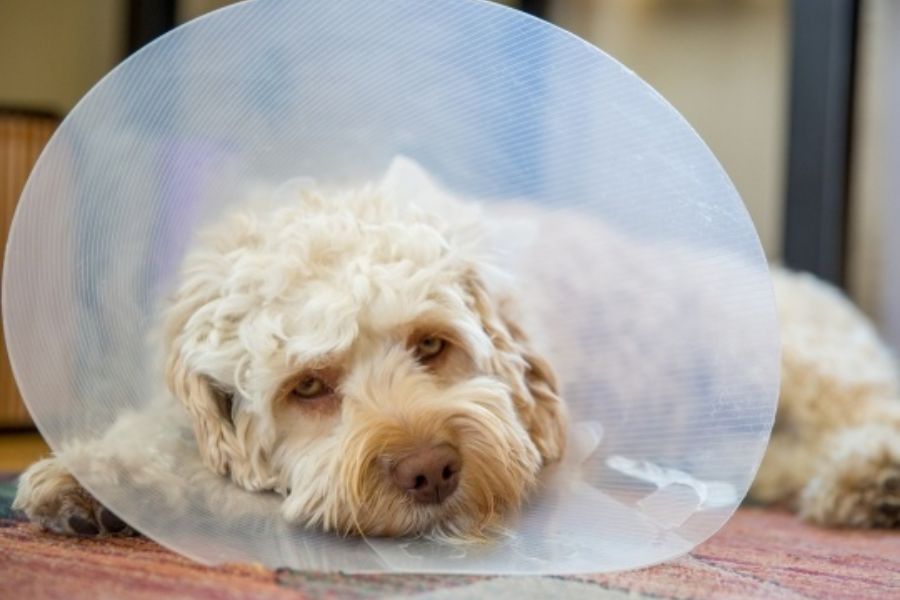
Give medications exactly as directed and monitor the surgical site if your veterinarian has instructed you to do so. Preventing your pet from licking or irritating an incision may also be part of the recovery plan.
Do not assume that your pet should return immediately to their normal routine simply because they seem more energetic. Follow the activity restrictions provided by your veterinary team.
What Signs Should You Watch for During Recovery?
Some temporary changes after anesthesia can be expected, but pet owners should monitor their companion closely and follow the specific guidance provided by their veterinarian.
Contact your veterinary team if you notice concerning changes such as worsening pain, significant swelling, persistent vomiting, unusual weakness, difficulty breathing, substantial bleeding, discharge from an incision, or an incision that appears to be opening.
Your veterinarian should also be contacted if your pet’s appetite, behavior, or activity does not seem to be progressing as expected.
How Long Does Pet Surgery Recovery Take?
Recovery time depends on the type of surgery, your pet’s age and health, and how extensive the procedure is. Some pets may resume normal activities relatively quickly, while others need several weeks of restricted activity and monitoring.
Your veterinarian will provide specific recovery instructions and let you know when your pet can gradually return to their usual activities. Follow-up examinations may also be recommended to evaluate healing and address any concerns.
When Should You Contact a Veterinarian?
Contact your veterinarian if you are unsure whether something you notice during recovery is normal. It is better to ask about a concerning change than to ignore it.
Seek prompt veterinary attention for serious symptoms such as severe breathing difficulty, collapse, uncontrolled bleeding, or other signs of an emergency. Your veterinary team can help determine the appropriate next step based on your pet’s condition.
A pet’s surgical journey does not begin and end in the operating room. Careful preparation, appropriate monitoring during the procedure, and attentive recovery at home all contribute to a well-managed surgical experience.
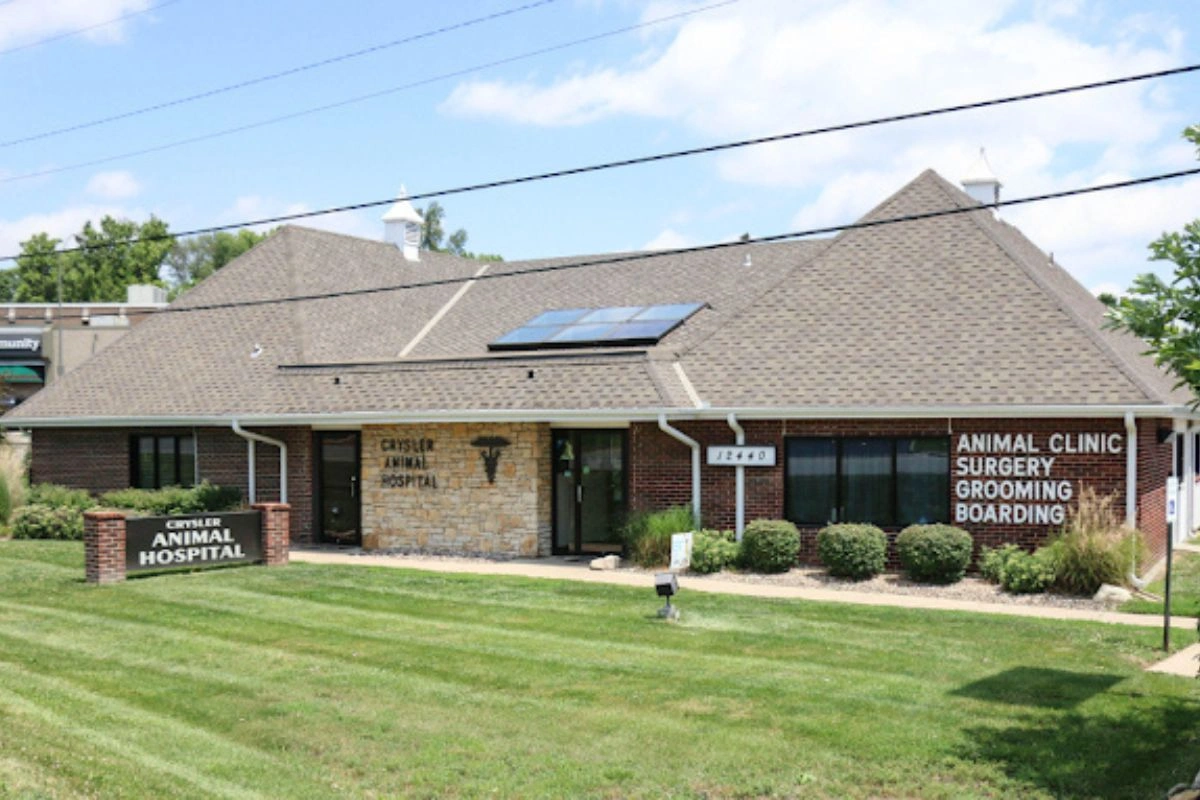
If your pet has been recommended for surgery or you have questions about an upcoming procedure, schedule an appointment with Crysler Animal Hospital to discuss the surgery, preparation requirements, recovery expectations, and any concerns you may have.
Frequently Asked Questions
Q1. How should I prepare my pet for surgery?
Follow your veterinarian’s instructions regarding food, water, medications, arrival time, and other pre-surgical requirements. Ask for clarification if you are unsure about any instruction.
Q2. How long does it take for a pet to recover from surgery?
Recovery varies based on the procedure and your pet’s overall health. Your veterinarian will provide an individualized recovery timeline and activity recommendations.
Q3. What are warning signs after pet surgery?
Significant bleeding, worsening pain, difficulty breathing, persistent vomiting, unusual weakness, substantial swelling, or concerning changes around an incision may require veterinary attention.
Q4. Can Crysler Animal Hospital help me prepare for my pet’s surgery?
Yes. The veterinary team can explain the procedure, provide pre-surgical instructions, and answer questions about preparing your pet for the day of surgery.
Q5. What should I expect after my pet’s surgery at Crysler Animal Hospital?
Your veterinary team will provide post-operative instructions based on your pet’s procedure, including guidance about medications, activity, incision monitoring, feeding, and follow-up care.
Q6. When should I contact Crysler Animal Hospital after my pet’s surgery?
Contact the veterinary team if you notice an unexpected or concerning change during recovery or are unsure whether your pet is healing as expected.