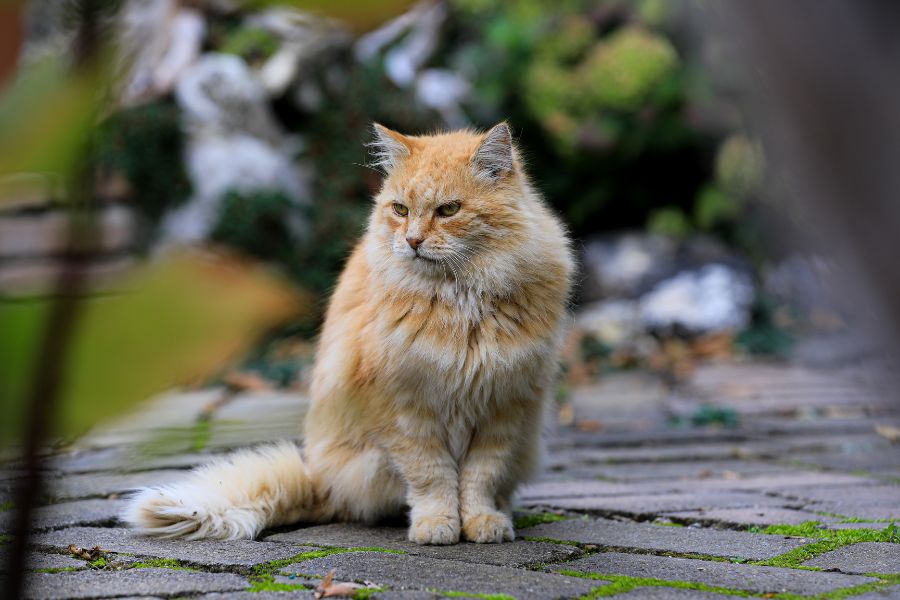
As pets grow older, their needs can change in ways that are easy to overlook. A senior dog or cat may sleep more, move more slowly, lose muscle, gain weight, or show subtle changes in appetite or behavior. Some changes are a normal part of aging, while others may point to a health concern that deserves veterinary attention.
For pet owners in Independence, MO, recognizing these changes early can make a meaningful difference in an older pet’s comfort and quality of life. Senior pets often benefit from adjustments to nutrition, exercise, home routines, and veterinary care as their bodies and lifestyles change.
Senior pet care can help older dogs and cats receive individualized attention as they enter different stages of aging. Regular veterinary visits, preventive care, and attention to changes at home can help pet owners make informed decisions about their companion’s ongoing health.
What Does a Senior Pet Need to Stay Healthy?
Senior pets generally need regular veterinary monitoring, appropriate nutrition, safe exercise, dental care, mental stimulation, and a comfortable home environment. Their needs vary depending on species, breed, size, lifestyle, and overall health.
Routine care is especially valuable because pets can hide signs of discomfort or illness. Changes that seem minor, such as drinking more water or becoming less interested in play, may be worth discussing with a veterinarian.
Schedule Regular Veterinary Wellness Exams
Routine wellness exams are one of the most important parts of senior pet care. Older pets may benefit from more frequent monitoring because age can increase the likelihood of conditions involving the joints, heart, kidneys, liver, teeth, or other body systems.
During an examination, a veterinarian can assess your pet’s weight, mobility, dental health, body condition, and overall physical condition. Bloodwork or other diagnostic testing may also be recommended based on your pet’s age, history, symptoms, or risk factors.
Regular visits also create a useful baseline. If your veterinarian knows what is normal for your pet, subtle changes may be easier to recognize.
Provide Nutrition That Supports Aging
Senior pets may have different nutritional needs than younger animals. Their calorie requirements can change as activity levels decrease, while maintaining appropriate muscle mass becomes increasingly important.
Rather than changing your pet’s food based solely on age, discuss nutrition with your veterinarian. They can consider your pet’s weight, activity level, medical history, and individual needs when recommending an appropriate diet.
Keeping track of weight is also helpful. Unexplained weight gain or loss should not automatically be attributed to aging, especially if the change happens noticeably or is accompanied by other symptoms.
Keep Your Senior Pet Moving Safely
Regular, gentle activity can help older pets maintain mobility, muscle strength, and mental stimulation. Short walks, controlled play, and other low-impact activities may be appropriate for many senior dogs and cats.
However, exercise should match your pet’s physical abilities. Difficulty climbing stairs, reluctance to jump, limping, stiffness, or avoiding activities they once enjoyed could be signs that your pet needs an evaluation.
Your veterinarian can help determine what level of activity is appropriate and whether changes to your pet’s routine may improve comfort.
Make Your Home More Comfortable
Small changes around the house can make daily life easier for an aging pet. Keep food, water, and frequently used resting areas easy to access. Non-slip surfaces can provide additional stability for pets who have trouble walking on smooth floors.
Older pets may also appreciate a comfortable bed in a quiet, easily accessible area. If your pet has difficulty getting onto furniture or navigating stairs, consider whether those areas can be made safer.
Don’t Overlook Dental Health
Dental disease can become a significant concern as pets age. Bad breath, difficulty chewing, dropping food, excessive drooling, or changes in eating habits may indicate an oral health problem.
Routine dental examinations can help identify problems that may not be obvious at home. Professional veterinary dental care may be recommended when plaque, tartar, gum disease, or other dental concerns are present.
Support Mental and Emotional Well-Being
Senior pets still need opportunities for mental engagement. Gentle play, sniffing activities, familiar routines, and positive interaction with family members can help keep their daily lives enriching.
Changes in sleep patterns, confusion, house-soiling, anxiety, or unusual vocalization should be discussed with a veterinarian rather than simply assumed to be a normal part of aging. Behavioral changes can have several possible causes and may warrant professional evaluation.
What If Your Senior Pet Needs Surgery?
Age alone does not automatically mean a pet cannot undergo surgery. If a senior dog or cat develops a condition that may require a surgical procedure, the veterinarian will consider the pet’s overall health, medical history, and the risks and benefits of the procedure.
Pre-surgical evaluation can help the veterinary team identify health factors that may affect anesthesia or recovery. Depending on the situation, diagnostic testing and individualized monitoring may be recommended.
For families considering senior pet care in Independence, discussing concerns early can help ensure that treatment decisions are based on the individual pet rather than age alone.
When Should You Contact a Veterinarian?
Contact your veterinarian if your senior pet develops a noticeable or persistent change in behavior, appetite, thirst, weight, mobility, breathing, bathroom habits, or energy level.
Prompt veterinary attention is particularly important if your pet has difficulty breathing, collapses, experiences significant weakness, cannot walk normally, appears to be in severe discomfort, or suddenly becomes very ill.
You know your pet’s normal habits better than anyone. If something seems different and does not resolve, it is reasonable to ask your veterinary team for guidance.
Keeping a senior pet healthy is about more than managing age-related changes. Regular wellness care, appropriate nutrition, safe activity, dental attention, mental stimulation, and a comfortable home can all support your pet’s well-being as they grow older.
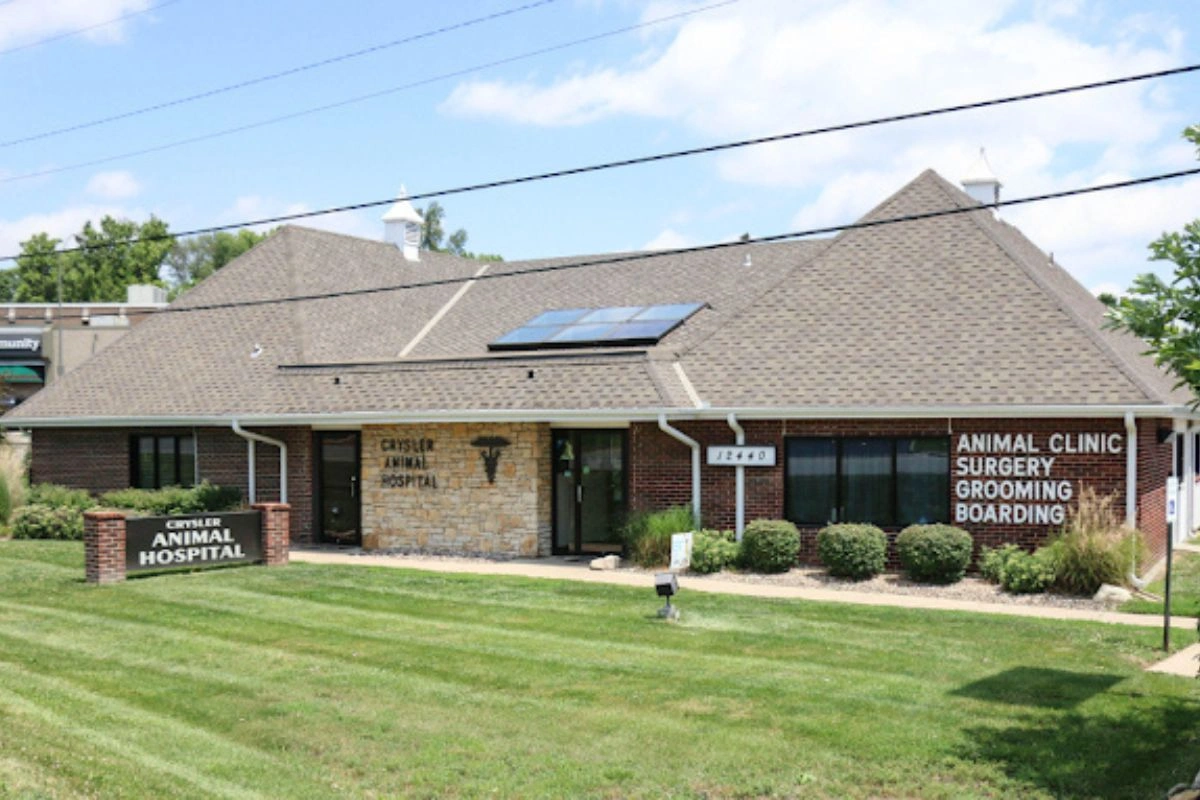
If you are concerned about changes in your older pet or want guidance on creating a senior care plan, Crysler Animal Hospital can help you discuss your pet’s individual needs and determine appropriate next steps. Schedule an appointment to give your senior companion the attentive care they deserve.
Frequently Asked Questions
Q1. How often should a senior pet see a veterinarian?
Ans: Senior pets may benefit from more frequent wellness examinations than younger pets. Your veterinarian can recommend an appropriate schedule based on your pet’s age, health, and individual risk factors.
Q2. What are common signs that a pet is getting older?
Ans: Sleeping more, reduced activity, stiffness, changes in weight, and changes in hearing or vision can occur with aging. However, new or significant changes should be discussed with a veterinarian because they may also be related to an underlying health condition.
Q3. How can I make my home more comfortable for a senior pet?
Ans: Provide easy access to food and water, comfortable bedding, non-slip surfaces, and resting areas that do not require your pet to navigate difficult stairs or jump frequently.
Q4. Does Crysler Animal Hospital provide senior pet care?
Ans: Yes. Crysler Animal Hospital can help pet owners address the changing wellness needs of aging dogs and cats through individualized veterinary guidance and ongoing health monitoring.
Q5. Can older pets receive veterinary dental care?
Ans: Senior pets can still benefit from appropriate dental evaluation and care. Your veterinarian can assess your pet’s oral health and recommend care based on their overall condition.
Q6. Should I be concerned if my senior pet suddenly becomes less active?
Ans: A sudden or noticeable decrease in activity should not automatically be considered normal aging. It may be related to discomfort, illness, or another health concern, so a veterinary evaluation may be appropriate.