Your pet may not be able to tell you when something hurts, but their mouth can offer important clues. A change in gum color, unusual breath, or a small amount of blood on a chew toy may be more than a minor issue. These signs can point to dental problems that need attention.
For families in Independence, MO, knowing what a healthy pet mouth looks like can make it easier to notice changes early. Dogs and cats may continue eating and playing even when they have oral discomfort, so it helps to look beyond their appetite and behavior.
Good pet dental care starts with recognizing these changes, understanding what they could mean, and knowing when to arrange a veterinary examination.
What Changes in a Pet’s Mouth May Indicate Dental Disease?
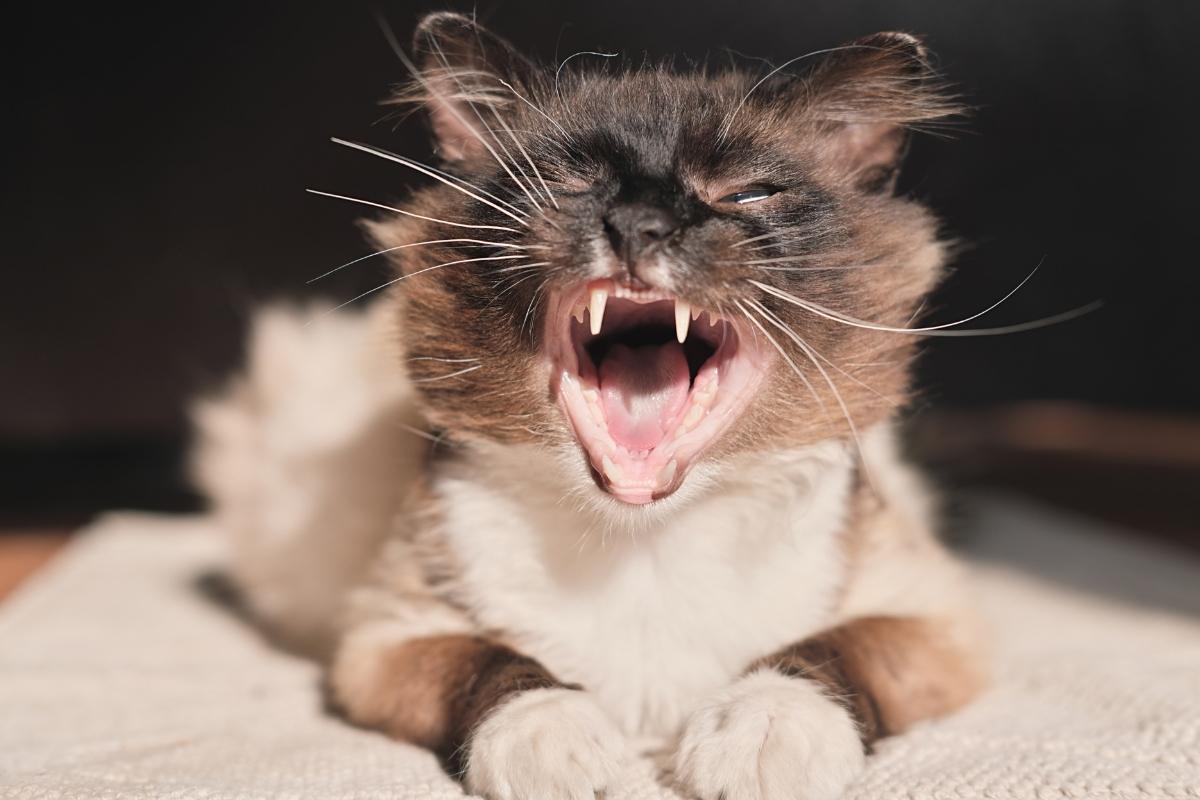
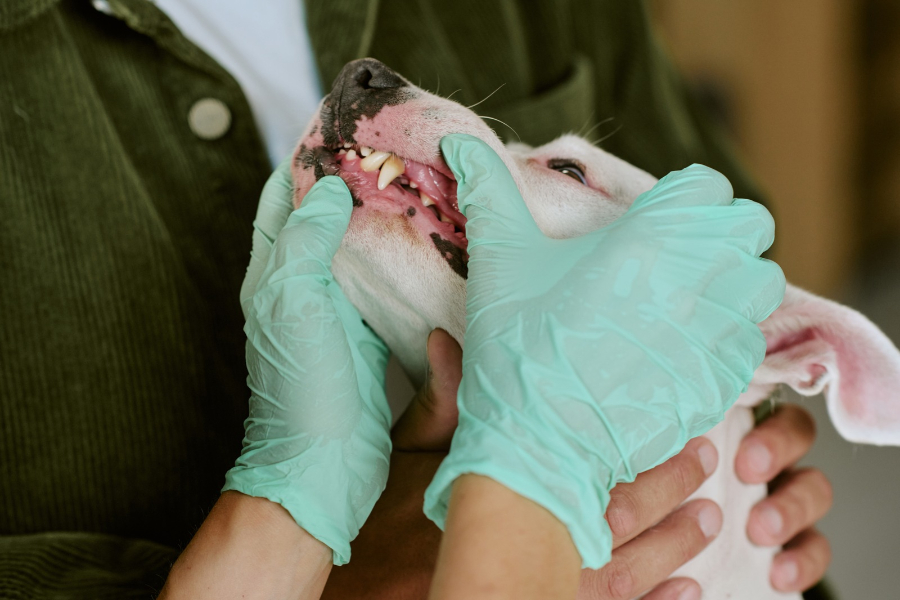
Changes in your pet’s gums, teeth, breath, saliva, or chewing habits may signal dental disease. Common warning signs include red or swollen gums, yellow or brown buildup on teeth, persistent bad breath, bleeding, loose teeth, and unusual drooling.
Some changes are easy to see, while others develop beneath the gumline. Here are the signs worth watching.
7 Mouth Changes That Should Not Be Ignored
1. Red or Swollen Gums
Healthy gums are generally pink and should not look inflamed. Redness, swelling, or tenderness along the gumline may indicate gingivitis, an early form of gum disease.
Gums that bleed during eating or gentle contact also deserve attention. Persistent inflammation can progress if plaque and bacteria are not properly addressed.
2. Yellow or Brown Deposits on the Teeth
A soft bacterial film called plaque forms naturally on teeth. If it is not removed, it can harden into tartar, which often appears as yellow or brown deposits near the gumline.
Tartar cannot be fully removed with ordinary brushing once it hardens. A veterinary dental cleaning may be necessary to remove the buildup safely.
3. Persistent Bad Breath
Occasional unpleasant breath can happen, but consistently foul-smelling breath may be associated with plaque, gum inflammation, or dental infection.
Bad breath should not simply be dismissed as normal for dogs or cats. If it persists, ask your veterinarian to examine your pet’s mouth.
4. Bleeding Around the Gums
Blood on a favorite toy, in your pet’s water bowl, or around the teeth may indicate irritated or damaged gum tissue. It can also occur with oral injuries or other conditions.
Avoid trying to scrape the teeth or investigate painful areas yourself. A veterinary examination can help identify the source.
5. Excessive Drooling or Unusual Saliva
A sudden increase in drooling may be a sign of oral discomfort. You might also notice thick, stringy, or blood-tinged saliva.
These changes can have causes beyond dental disease, so they should be evaluated rather than treated as proof of a specific condition.
6. Loose, Broken, or Discolored Teeth
A loose or fractured tooth may result from trauma or advanced dental disease. A tooth that appears darker than the others may also have experienced internal damage.
Even if your pet continues eating, a damaged tooth can be uncomfortable and may need treatment. Never attempt to pull or reposition it at home.
7. Changes in the Way Your Pet Chews
Some dental problems are easier to recognize through behavior than appearance. Your pet may chew on one side, drop food, avoid hard treats, or take longer to finish meals.
Cats may quietly change their eating habits or become less interested in grooming. These behaviors can indicate discomfort even when the teeth look normal from the outside.
Why Can Dental Disease Be Hard to Spot?
Dental disease does not always affect the visible part of a tooth first. Bacteria can collect beneath the gumline, where inflammation may damage the tissues and bone supporting the teeth.
A pet’s mouth can therefore have significant dental problems even when the visible tooth surfaces look relatively clean. Veterinary examinations, and dental X-rays when indicated, can help reveal issues that cannot be identified through a quick look at home.
How Can You Support Your Pet’s Oral Health?
Daily habits can help reduce plaque buildup and support healthier gums.
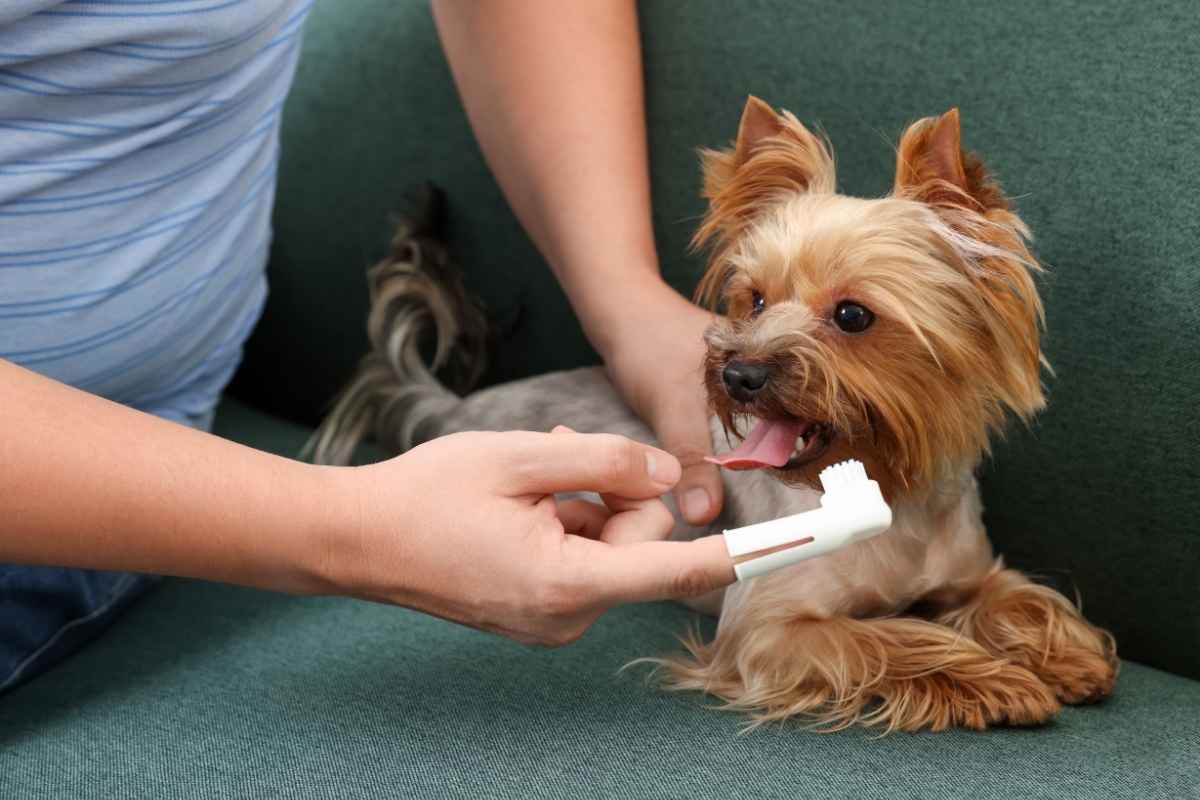
- Brush regularly: Use a pet toothbrush and veterinary-approved toothpaste. Human toothpaste is not suitable for pets.
- Ask about dental products: Your veterinarian can recommend appropriate dental diets, chews, and other products.
- Check for changes: Look for gum redness, tartar, unusual breath, or changes in saliva and chewing.
- Keep wellness appointments: Routine examinations give your veterinary team opportunities to assess oral health.
- Follow professional recommendations: Hardened tartar and existing dental disease may require veterinary treatment.
When Should You Contact a Veterinarian?
Arrange a veterinary examination if you notice persistent bad breath, bleeding gums, visible tartar, excessive drooling, loose teeth, or changes in chewing and eating. A broken tooth, facial swelling, or signs of significant pain should be assessed promptly.
If your pet cannot eat or drink, appears severely uncomfortable, or has substantial facial swelling, seek urgent veterinary advice.
A veterinarian can examine the teeth and gums, determine whether dental disease or another oral condition may be present, and recommend appropriate care.
Changes in your pet’s gums, teeth, breath, and saliva can reveal problems that may otherwise go unnoticed. Paying attention to these signs and seeking veterinary advice when something seems unusual can help protect your companion’s comfort and oral health.
Crysler Animal Hospital provides professional dental cleanings and tooth extractions when needed, along with guidance for maintaining oral health at home. If you have noticed changes in your pet’s mouth, schedule an appointment to discuss an examination and appropriate dental care.
Frequently Asked Questions
Q1. What do unhealthy gums look like in dogs and cats?
Ans: Unhealthy gums may appear red, swollen, or irritated. They may also bleed easily or look as though they are pulling away from the teeth. These changes can indicate gingivitis or another oral problem that needs veterinary evaluation.
Q2. Can dental disease cause changes in a pet’s saliva?
Ans: Yes. Some pets with oral discomfort may drool more than usual or have thick, stringy, or blood-tinged saliva. These signs can have several causes, so a veterinary examination can help determine what is happening.
Q3. Can a pet have dental disease even if its teeth look clean?
Ans: Yes. Dental disease can develop beneath the gumline, affecting tissues that are not visible during a basic mouth check. A veterinary examination and dental X-rays when appropriate can help identify hidden problems.
Q4. What dental services does Crysler Animal Hospital offer?
Ans: Crysler Animal Hospital provides professional dental cleanings, including scaling and polishing, as well as tooth extractions when necessary. The veterinarian recommends treatment based on the pet’s oral health.
Q5. Are professional dental cleanings at Crysler Animal Hospital performed under anesthesia?
Ans: Yes. Veterinary dental cleanings are performed under anesthesia so the team can clean the teeth thoroughly, including beneath the gumline, and assess the mouth safely.
Q6. Can Crysler Animal Hospital help me care for my pet’s teeth at home?
Ans: Yes. The veterinary team can demonstrate proper brushing techniques and recommend suitable dental diets, chew toys, and treats to help manage plaque between professional dental cleanings.