
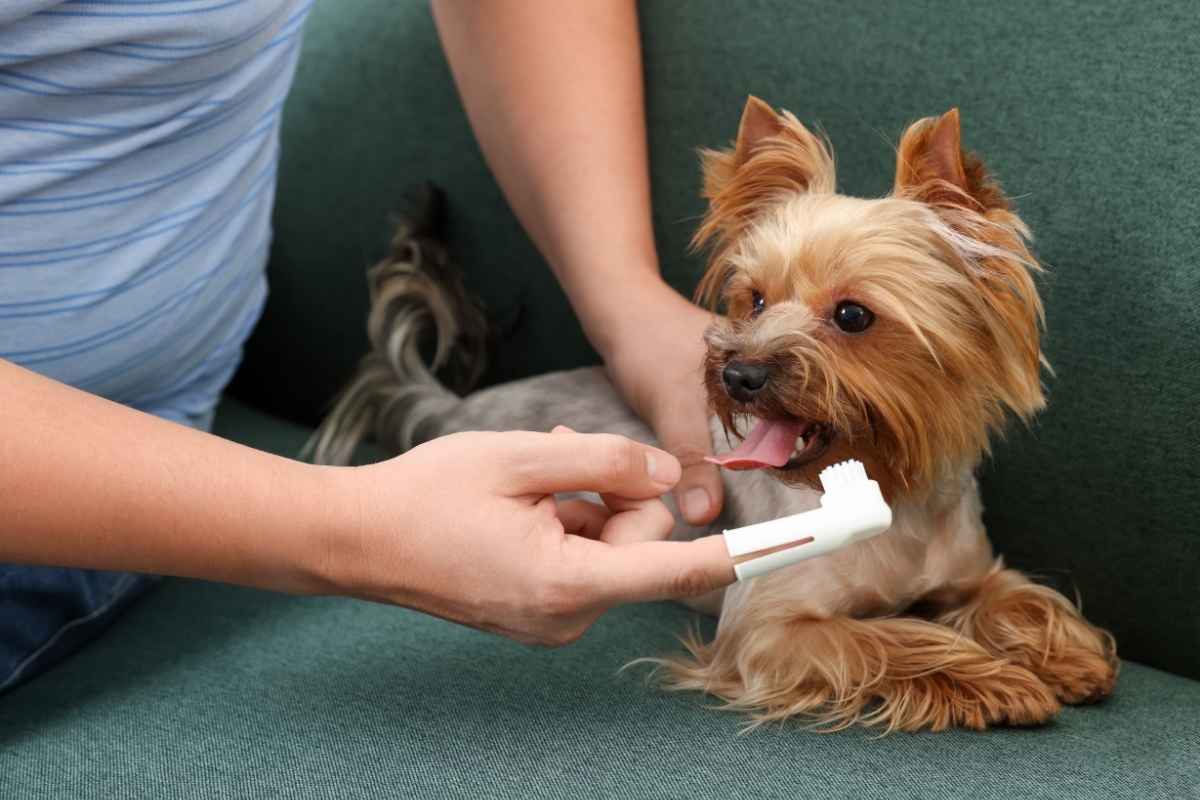
Good oral hygiene is a fundamental part of your dog’s overall health, yet it’s one of the most commonly overlooked aspects of pet care. While many pet owners focus on nutrition, grooming, and exercise, dental care often takes a back seat—until problems arise. At Crysler Animal Hospital, veterinary professionals frequently stress that preventive dental care can significantly improve a dog’s quality of life and help avoid costly treatments down the line.
Whether you’re a new pet parent or an experienced dog owner, understanding how often to brush your dog’s teeth—and why it matters—can make a lasting difference.
Why Dental Care Is Essential for Dogs
Dogs naturally accumulate plaque on their teeth after eating. If not removed, plaque hardens into tartar, which can lead to periodontal disease. Studies show that most dogs show signs of dental disease by age three.
Poor oral hygiene doesn’t just affect the mouth—it can lead to broader health issues, including:
- Chronic bad breath
- Gum infections (gingivitis)
- Tooth decay or loss
- Bacteria entering the bloodstream and affecting vital organs
This is why routine brushing and professional pet dentistry care are essential for maintaining long-term health.
How Often Should You Brush Your Dog’s Teeth?
The gold standard for canine dental care is daily brushing. Brushing every day helps remove plaque before it turns into tartar, which cannot be removed with a toothbrush alone.
However, if daily brushing isn’t realistic, here’s a practical guideline:
- Daily brushing: Ideal for preventing plaque and maintaining optimal oral health
- 3–4 times per week: A strong alternative that still provides good protection
- Less than 3 times per week: May not be sufficient to prevent dental disease
Consistency is more important than perfection. Even brushing a few times a week is far better than not brushing at all.
How to Brush Your Dog’s Teeth Effectively
Brushing your dog’s teeth can feel intimidating at first, but with the right approach, it becomes manageable and even routine.
Choose Pet-Safe Products
Always use a toothbrush and toothpaste designed specifically for dogs. Human toothpaste contains ingredients that are unsafe for pets.
Start Gradually
Let your dog get used to the taste of toothpaste before introducing the toothbrush. Begin with short sessions and gradually increase duration.
Focus on Key Areas
Brush along the gum line using gentle, circular motions. This is where plaque accumulates the most.
Keep It Positive
Use praise, treats, or playtime as rewards to create a positive association with brushing.
Signs Your Dog May Have Dental Issues
Even with regular brushing, it’s important to monitor your dog’s oral health. Watch for these warning signs:
- Persistent bad breath
- Yellow or brown buildup on teeth
- Red, swollen, or bleeding gums
- Difficulty chewing or loss of appetite
- Excessive drooling
If you notice any of these symptoms, a veterinary dental evaluation is recommended.
The Role of Professional Dental Cleanings
At-home brushing is essential, but it doesn’t replace professional care. Veterinary dental cleanings go deeper, removing tartar below the gum line and identifying hidden issues.
Most dogs benefit from a professional dental cleaning once a year, though some may need more frequent care depending on their breed, age, and overall health.
Routine visits for pet dentistry ensure that small issues are addressed before they become serious problems.
Additional Ways to Support Your Dog’s Dental Health
Brushing is the foundation, but combining it with other strategies enhances results:
- Dental chews: Help reduce plaque buildup
- Specialized diets: Designed to support oral health
- Water additives: Help control bacteria
- Regular vet checkups: Ensure early detection of issues
These tools should complement—not replace—regular brushing.
Common Questions Pet Owners Ask
Dog owners often have similar concerns when it comes to dental care:
- How can I train my dog to tolerate brushing?
- Are dental treats enough on their own?
- What type of toothbrush works best?
- Do puppies need dental care, too?
- How can I tell if my dog is in dental pain?
- Is anesthesia necessary for cleanings?
Understanding these topics can help you build a more effective dental routine.
When to Consult a Veterinarian
If your dog resists brushing or shows signs of discomfort, it’s important to seek professional advice. Dental disease can progress quickly, and early intervention is key.
For expert guidance and personalized care, you can schedule your appointment with Crysler Animal Hospital to ensure your dog’s oral health is on the right track.
Brushing your dog’s teeth is one of the simplest ways to protect their overall health. While daily brushing is ideal, even a few sessions per week can significantly reduce the risk of dental disease.
A consistent routine, combined with professional care and preventive measures, will help your dog live a healthier, happier life—no matter where you and your pet call home. For those seeking trusted veterinary support, it’s reassuring to know that experienced care is available in Independence, MO.
FAQs
Q1. How often should I brush my dog’s teeth for the best results?
Ans. Daily brushing is ideal, but 3–4 times per week can still provide good protection against plaque buildup.
Q2. Can dental chews replace brushing?
Ans. No, dental chews help, but do not remove plaque as effectively as brushing.
Q3. At what age should I start brushing my dog’s teeth?
Ans. Start as early as possible, ideally when your dog is a puppy, to build good habits.
Q4. Is bad breath normal in dogs?
Ans. Occasional bad breath can happen, but persistent odor may indicate dental disease.
Q5. How do I know if my dog needs a professional cleaning?
Ans. Signs like tartar buildup, gum inflammation, or difficulty eating suggest it’s time for a vet visit.
Q6. Are professional dental cleanings safe for dogs?
Ans. Yes, when performed by a qualified veterinarian, they are safe and essential for maintaining oral health.
Related Articles