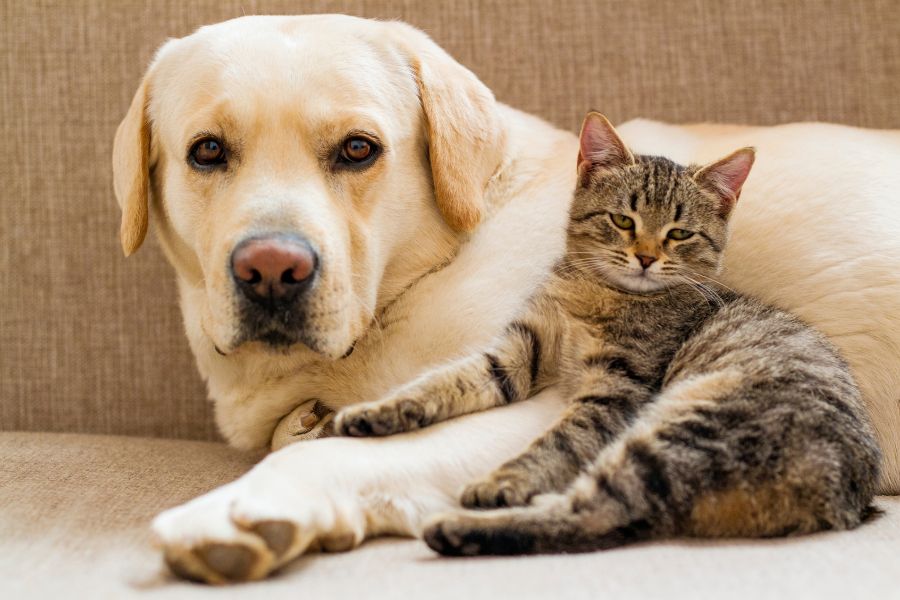
A puppy that chews everything in sight, an adult cat that spends most of the day lounging, and a senior dog that takes longer to get up may seem to have very different needs. Yet each can benefit from veterinary care tailored to their age, lifestyle, and health history. Knowing what changes as pets grow older helps owners recognize what deserves attention and when professional guidance may be useful.
At Crysler Animal Hospital, pet owners can seek veterinary guidance as their companions move through different stages of life. For families looking for a veterinarian in Independence, MO, regular checkups offer a chance to discuss everyday health questions, review preventive care, and address changes before they interfere with a pet’s routine.
There is no single healthcare plan that fits every dog or cat. Age provides a useful starting point, but a pet’s breed, activity level, medical history, and living environment also influence their needs. Here is how veterinary care can support pets from their earliest months through their senior years.
1. Early Life: Helping Puppies and Kittens Grow Well
Young pets develop quickly, making their first veterinary visits an important part of responsible care. These appointments help establish a health baseline, monitor growth, and create a plan for preventive treatments.
During early visits, a veterinarian may discuss:
- Vaccination schedules: Recommendations based on age, health, and exposure risks.
- Parasite prevention: Protection against common parasites, including fleas, ticks, and intestinal worms.
- Growth and nutrition: Choosing suitable food and monitoring body condition.
- Behavior and socialization: Addressing house training, handling, and safe interactions.
- Future healthcare decisions: Discussing microchipping, spaying or neutering, and dental development.
These conversations can also help owners understand which behaviors are typical for young pets and which may deserve further attention. Keeping up with recommended examinations allows the veterinary team to monitor development and adjust guidance as the pet grows.
2. Adulthood: Looking Beyond a Pet’s Healthy Appearance
Adult pets often have predictable routines, and their health concerns may be less obvious than those of puppies, kittens, or visibly aging animals. However, appearing healthy does not always mean that every aspect of their health is on track.
Routine examinations give veterinarians an opportunity to assess weight, body condition, oral health, and general physical condition. They also provide time to discuss changes in appetite, thirst, activity, digestion, or behavior.
Preventive recommendations may include vaccinations, parasite control, dental evaluations, and screening tests when appropriate. Nutrition and exercise guidance can also help maintain a healthy weight and support everyday activity.
Pet owners can contribute by paying attention to small changes at home. For example, a pet that becomes less interested in play, starts drinking more water, or gradually gains weight may benefit from a veterinary assessment.
For families seeking a veterinarian in Independence, MO, regular wellness visits provide an opportunity to review these observations and discuss care suited to the pet’s individual needs.
3. Dental Health: A Need That Continues With Age
Dental care is often overlooked when pets are eating normally. Yet dogs and cats can develop plaque buildup, gum inflammation, and periodontal disease without showing obvious discomfort at first.
Possible warning signs include persistent bad breath, red gums, drooling, difficulty chewing, dropping food, or avoiding hard food. Some pets may become less tolerant of having their faces touched when their mouths are uncomfortable.
Veterinary dental evaluations help identify oral health concerns and determine whether professional cleaning or additional treatment may be appropriate. Depending on the pet’s condition, the veterinary team may also recommend a home-care routine.
Regular toothbrushing with pet-safe toothpaste and veterinarian-approved dental products may help support oral hygiene. Never use human toothpaste for pets, as some ingredients can be harmful.
Dental care should not begin only when a problem appears. Discussing oral health during routine visits helps owners understand how to maintain it as their companions grow older.
4. Senior Years: When Small Changes Deserve Attention
As pets age, their everyday habits may change. A senior dog might hesitate before climbing stairs, while an older cat may stop jumping onto familiar furniture. Changes in sleep, appetite, grooming, or social interaction can also become more noticeable.
Although aging can affect mobility and energy, new symptoms should not automatically be dismissed as normal. Some changes may be associated with medical conditions that require evaluation.
During senior wellness visits, a veterinarian may recommend closer monitoring, bloodwork, urinalysis, weight checks, or mobility assessments based on the pet’s health.
Pay attention to changes such as:
- Difficulty standing, walking, or jumping
- Increased thirst or more frequent urination
- Unexplained weight loss or gain
- Reduced appetite or recurring digestive upset
- Changes in sleep, grooming, or interaction with family
- Stiffness or reduced interest in familiar activities
Keeping a simple record of these changes can help you describe them during an appointment. Even gradual changes are worth discussing, especially when they affect your pet’s comfort or usual routine.
5. Unexpected Illness: Knowing When Routine Care Is Not Enough
Preventive care helps monitor health, but it cannot prevent every illness or injury. Pets at any age may develop symptoms that require an examination or further testing.
Persistent vomiting, diarrhea, limping, unusual tiredness, ongoing itching, and sudden appetite changes are examples of concerns that may warrant veterinary guidance. A veterinarian can assess the symptoms and determine whether diagnostic tests are needed.
Some warning signs require immediate emergency care. These include difficulty breathing, collapse, uncontrolled bleeding, suspected poisoning, seizures that are prolonged or repeated, and repeated straining without producing urine.
If symptoms are severe or worsening quickly, do not wait for a routine appointment. Contact an emergency veterinary facility and follow its instructions. Avoid giving human medications or home remedies unless a veterinarian specifically directs you to do so.
Knowing where to seek help and keeping your pet’s medical information accessible can make it easier to respond when an unexpected problem arises.
Building a Lifelong Care Routine With Crysler Animal Hospital
Supporting a pet’s health involves more than responding when something goes wrong. It also means developing a routine that can adapt as the animal grows, becomes more active or less mobile, and develops new healthcare needs.
Crysler Animal Hospital in Independence, Missouri, provides veterinary services that include wellness examinations, vaccinations, dental care, diagnostic services, surgery, puppy and kitten care, and senior pet care. The hospital also serves several types of exotic pets.
Regular visits allow pet owners to discuss preventive care, review changes in behavior, and ask questions about nutrition, dental health, and age-related concerns. Bringing information about current medications, previous health problems, and changes noticed at home can help make these discussions more useful.
Your pet’s care plan should reflect their individual circumstances rather than age alone. A young pet may need a vaccination series, an adult may benefit from weight-management guidance, and a senior companion may need additional monitoring. Your veterinarian can help you understand which recommendations are appropriate.
Schedule an appointment with Crysler Animal Hospital to review your pet’s current health and plan for their changing needs through every life stage.
Frequently Asked Questions
Q1. Do pets need different veterinary care as they grow older?
Yes. Puppies and kittens need growth monitoring and age-appropriate preventive care. Adult pets benefit from routine wellness examinations, while senior pets may need closer monitoring for changes in mobility, weight, appetite, and organ function. Recommendations depend on each pet’s health and lifestyle.
Q2. Can a pet seem healthy while developing a medical problem?
Yes. Some health concerns develop gradually or produce subtle signs. Changes in thirst, appetite, activity, weight, or behavior may be worth discussing with a veterinarian, even if your pet otherwise appears normal.
Q3. What can I do at home to support my pet’s long-term health?
Provide an appropriate diet, maintain a suitable exercise routine, follow veterinary recommendations for preventive care, and monitor changes in behavior or daily habits. Dental home care and regular wellness examinations can also support your pet’s overall well-being.
Q4. What veterinary services does Crysler Animal Hospital offer for pets at different ages?
Crysler Animal Hospital provides services that include wellness examinations, vaccinations, dental care, diagnostic services, surgery, puppy and kitten care, and senior pet care. Recommendations depend on the pet’s individual needs and health history.
Q5. Why should I discuss dental care during my pet’s routine checkup?
Dental problems can develop without obvious signs at first. A veterinary assessment can help identify possible gum disease or other oral health concerns and determine whether professional treatment or a home-care routine is appropriate.
Q6. When should I seek emergency veterinary care instead of waiting for an appointment?
Seek emergency care for difficulty breathing, collapse, uncontrolled bleeding, suspected poisoning, inability to urinate, or other severe and rapidly worsening symptoms. For less severe but persistent changes, contact a veterinary professional for guidance on how soon your pet should be examined.
Related Articles