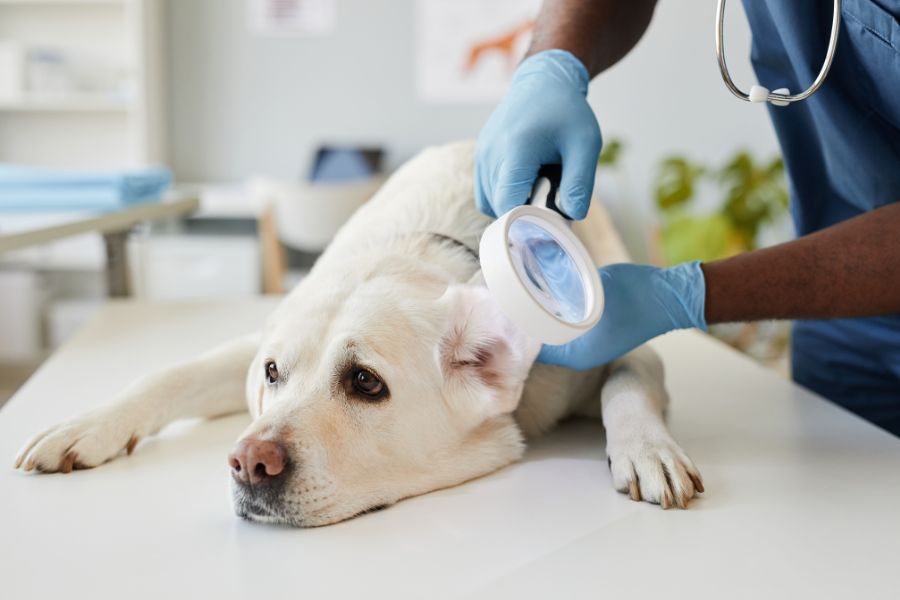

When a dog swallows something questionable, many pet owners instinctively search online for a quick solution. One of the most common recommendations they encounter is using hydrogen peroxide to make a dog vomit. Although this advice has circulated for years, it is not appropriate in every situation and, in some cases, may do more harm than good.
Every ingestion incident is different. The type of substance consumed, the amount, the time since ingestion, your dog’s size, age, and overall health all influence the safest course of action. Acting without understanding these factors can increase the risk of complications.
Consulting a veterinarian independence pet owners trust before attempting any home treatment is one of the safest decisions you can make. Professional guidance helps determine whether inducing vomiting is appropriate or whether another treatment approach is safer.
This guide explains the most common mistakes pet owners make when considering hydrogen peroxide, why those mistakes matter, and the steps you should take if your dog eats something harmful.
Why Hydrogen Peroxide Is Commonly Discussed
Hydrogen peroxide has traditionally been mentioned as a way to induce vomiting after accidental ingestion. The goal is to remove harmful material from the stomach before it can be absorbed into the body.
However, this approach is not universally safe. Veterinary recommendations have evolved as more information has become available about the potential risks associated with inducing vomiting in certain situations.
Instead of relying on general internet advice, every case should be evaluated individually.
Mistake 1: Assuming Every Toxic Exposure Requires Vomiting
Many pet owners believe vomiting is always the first step after a dog eats something harmful.
In reality, that is not always true.
Certain substances can cause additional damage if they travel back through the esophagus and mouth.
Examples include:
- Corrosive household cleaners
- Sharp objects
- Certain chemicals
- Petroleum-based products
In these situations, vomiting may increase injury rather than reduce it.
Mistake 2: Giving Hydrogen Peroxide Without Veterinary Advice
Every ingestion event is unique.
Before attempting any home treatment, a veterinarian needs information such as:
- What your dog consumed
- How much was eaten
- When the incident occurred
- Your dog’s weight
- Existing medical conditions
- Current symptoms
Without this information, it is impossible to know whether vomiting is appropriate.
Mistake 3: Waiting Too Long Before Asking for Help
Some pet owners spend valuable time searching online or waiting to see whether symptoms develop.
Unfortunately, certain toxins begin affecting the body quickly.
Prompt communication with a veterinary professional allows treatment decisions to be made before complications become more serious.
Mistake 4: Believing All Internet Advice Is Accurate
The internet contains helpful information, but not every recommendation applies to every dog.
Online advice often fails to consider important differences such as:
- Age
- Breed
- Weight
- Medical history
- Type of toxin
- Existing illnesses
Professional recommendations should always take priority over general information.
Mistake 5: Using the Wrong Concentration or Product
Household products vary in formulation.
Using products that contain additional ingredients or stronger concentrations may increase irritation or other health risks.
Never assume that all hydrogen peroxide products are identical or appropriate for use in pets.
Mistake 6: Ignoring Symptoms After Vomiting
Even if vomiting occurs, the problem may not be resolved.
Some toxins continue being absorbed, while others may already have entered the bloodstream before vomiting begins.
Continue watching your dog for signs such as:
- Weakness
- Tremors
- Excessive drooling
- Difficulty walking
- Repeated vomiting
- Loss of appetite
- Difficulty breathing
Any ongoing symptoms require veterinary attention.
Mistake 7: Delaying Veterinary Evaluation Because Your Dog Looks Normal
Some dangerous substances cause delayed symptoms.
A dog may appear completely normal for several hours before signs of illness develop.
Waiting for visible symptoms may reduce treatment options for certain toxic exposures.
When in doubt, contacting a veterinary professional is the safest approach.
What Should You Do If Your Dog Eats Something Harmful?
Instead of immediately reaching for hydrogen peroxide, follow these steps.
Remove Access to the Substance
Prevent your dog from eating additional material.
Gather Important Information
Collect details including:
- Product name
- Ingredients, if available
- Estimated amount consumed
- Time of ingestion
- Current symptoms
Keeping the product container may help your veterinarian evaluate the situation.
Contact a Veterinary Professional
A veterinarian can determine whether vomiting is appropriate or whether another treatment option is safer.
Early communication often leads to better outcomes.
Situations Where Vomiting May Not Be Appropriate
There are several situations where inducing vomiting could create additional problems.
These may include:
Swallowing Sharp Objects
Objects with sharp edges may injure the throat or digestive tract during vomiting.
Chemical Exposure
Certain chemicals can burn tissues both during swallowing and while coming back up.
Dogs Showing Neurological Symptoms
Dogs experiencing weakness, seizures, or reduced awareness may have difficulty protecting their airway during vomiting.
Dogs With Existing Medical Conditions
Some health conditions increase the risks associated with induced vomiting.
How Veterinarians Evaluate Ingestion Cases
When you contact a veterinary clinic, the veterinary team may ask questions such as:
- What did your dog eat?
- When did it happen?
- Approximately how much was consumed?
- Is your dog showing symptoms?
- Does your dog have any existing medical conditions?
Based on this information, they can recommend the safest course of action.
Preventing Accidental Poisoning at Home
Many poisoning incidents are preventable.
Helpful safety tips include:
Store Household Products Securely
Keep medications, chemicals, and cleaning products in closed cabinets that pets cannot access.
Keep Human Foods Out of Reach
Many everyday foods may be unsafe for dogs.
Never leave food unattended on counters or tables.
Supervise Curious Dogs
Young dogs especially enjoy exploring unfamiliar objects.
Monitoring them during play can reduce accidental ingestion.
Teach Basic Commands
Commands such as “leave it” and “drop it” can help prevent dangerous situations.
Why Professional Guidance Is Always the Safest Choice
Home remedies may seem convenient, but every poisoning incident is different.
Professional veterinary guidance considers:
- Your dog’s medical history
- The specific substance involved
- Time since ingestion
- Overall health
- Potential treatment risks
This individualized approach helps reduce complications and ensures your dog receives appropriate care.
Hydrogen peroxide is often discussed as a home remedy after accidental ingestion, but using it without professional guidance can create unnecessary risks. The safest response depends on what your dog consumed, how much was ingested, and your dog’s overall health. Rather than relying on generalized advice, seek veterinary guidance as soon as possible whenever your dog eats something potentially harmful. If you have concerns about your dog’s health after an accidental ingestion, schedule your appointment with your veterinarian for prompt evaluation and personalized care.
Frequently Asked Questions
Q1. Is hydrogen peroxide always safe for making a dog vomit?
Ans: No. Hydrogen peroxide is not appropriate for every situation. Some substances and medical conditions make induced vomiting unsafe, so veterinary guidance is essential.
Q2. Why shouldn’t I make my dog vomit without contacting a veterinarian?
Ans: Certain swallowed items, such as chemicals or sharp objects, can cause additional injury during vomiting. A veterinarian can determine the safest course of action.
Q3. What information should I have before calling a veterinarian?
Ans: Be prepared to share what your dog ate, how much was consumed, when it happened, your dog’s weight, age, and any symptoms you have observed.
Q4. What signs should I watch for after my dog eats something harmful?
Ans: Monitor for vomiting, excessive drooling, weakness, tremors, difficulty breathing, changes in behavior, loss of appetite, or problems walking.
Q5. Can my dog appear normal even after eating something toxic?
Ans: Yes. Some toxins cause delayed symptoms, which is why contacting a veterinarian promptly is important even if your dog seems fine initially.
Q6. How can I reduce the risk of accidental poisoning at home?
Ans: Store medications and household chemicals securely, keep unsafe foods out of reach, supervise curious pets, and teach commands like “leave it” to help prevent accidental ingestion.