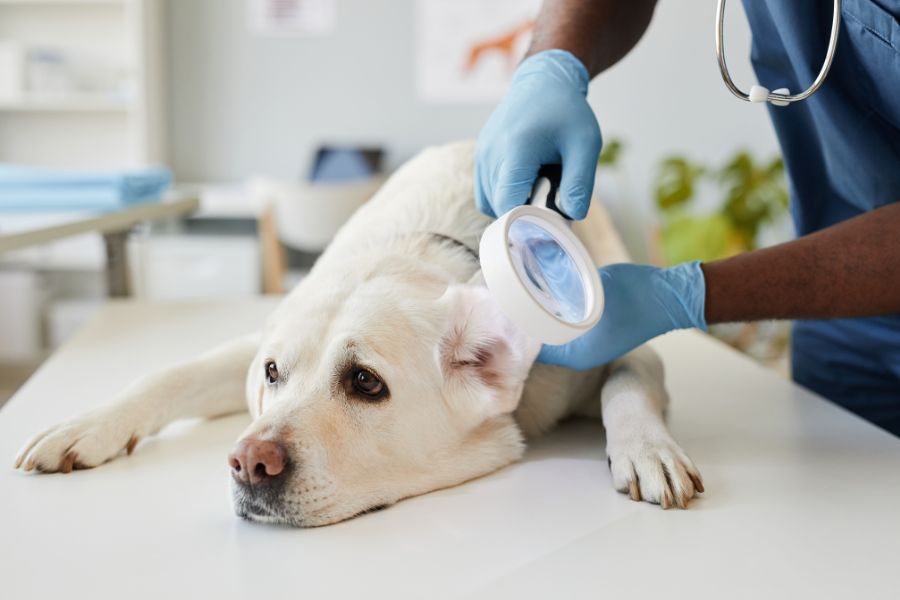

As pet owners, we all want our dogs to live long, healthy, and happy lives. However, some serious health conditions can develop quietly, making them difficult to detect early. One of the most concerning conditions in dogs is cancer. In fact, cancer is one of the leading causes of death in older dogs.
Recognizing the early signs of cancer can make a significant difference in your dog’s treatment options and overall prognosis. At Crysler Animal Hospital in Independence, we encourage pet owners to stay alert to subtle changes in their dog’s health and behavior. Early veterinary evaluation can help detect potential problems sooner and improve outcomes.
Below are some early symptoms of cancer in dogs that should never be ignored.
1. Unusual Lumps or Bumps
One of the most noticeable early signs of cancer in dogs is the appearance of lumps or bumps under the skin. These growths can develop anywhere on your dog’s body and may feel firm or soft.
Not every lump is cancerous, but any new growth should be monitored closely. If a lump grows rapidly, changes shape, or does not disappear, it should be examined by a veterinarian.
What to do:
Schedule a veterinary visit if you notice a new lump or changes in an existing one. Your veterinarian may recommend diagnostic testing, such as a biopsy or needle aspiration.
2. Loss of Appetite or Unexplained Weight Loss
A sudden loss of appetite or unexplained weight loss may signal an underlying health issue, including cancer. Even if your dog appears to be eating normally, noticeable weight loss could indicate changes in metabolism caused by disease.
What to do:
Monitor your dog’s eating habits and weight regularly. If appetite changes or weight loss continues for several days, contact your veterinarian for an evaluation.
3. Persistent Limping or Mobility Issues
If your dog develops a persistent limp that does not improve with rest, it could indicate a deeper problem, such as bone cancer or a tumor affecting the muscles or joints.
You may also notice your dog avoiding stairs, struggling to stand, or showing discomfort during movement.
What to do:
Any limping that lasts more than a few days should be examined by a veterinarian. Diagnostic imaging, such as X-rays, may help identify the underlying cause.
4. Coughing or Difficulty Breathing
Frequent coughing, labored breathing, or shortness of breath may sometimes indicate cancer affecting the lungs or chest cavity. These symptoms may also occur if cancer has spread from another part of the body.
What to do:
If your dog develops persistent coughing or breathing problems, seek veterinary care promptly to rule out serious health conditions.
5. Changes in Bathroom Habits
Sudden changes in urination or bowel movements can also be a warning sign. Dogs with bladder or gastrointestinal tumors may experience frequent urination, accidents in the house, constipation, or difficulty passing stool.
What to do:
Keep track of changes in your dog’s bathroom habits and report them to your veterinarian if they persist.
6. Unexplained Bleeding or Discharge
Bleeding from the mouth, nose, rectum, or reproductive organs should always be taken seriously. Abnormal discharge from the eyes or ears may also indicate an underlying medical condition.
Some oral tumors, for example, can cause bleeding in the mouth or difficulty eating.
What to do:
Contact your veterinarian immediately if you notice unexplained bleeding or discharge.
7. Changes in Behavior or Energy Levels
Dogs experiencing illness or pain may behave differently than usual. You might notice that your dog becomes lethargic, withdrawn, irritable, or less interested in activities they normally enjoy.
Behavioral changes are sometimes one of the earliest indicators that something may be wrong.
What to do:
If your dog suddenly becomes less active or shows unusual behavior, schedule a veterinary exam to identify the cause.
The Importance of Early Detection
A cancer diagnosis can be overwhelming, but early detection greatly improves the chances of successful treatment and management. Routine wellness exams and paying close attention to changes in your dog’s behavior can help identify potential problems early.
If you notice any concerning symptoms, the veterinary team at Crysler Animal Hospital in Independence can provide thorough examinations and diagnostic care to help determine the cause and recommend appropriate treatment options.
Taking action early can make a meaningful difference in protecting your dog’s health and quality of life.
Frequently Asked Questions (FAQs):
1. What is the most common early sign of cancer in dogs?
A: One of the most common early signs is the appearance of new lumps or bumps under the skin. While many are benign, they should always be evaluated by a veterinarian.
2. Are certain dogs more likely to develop cancer?
A: Yes. Cancer is more common in older dogs, and certain breeds may have a higher risk for specific types of cancer.
3. Can cancer in dogs be treated successfully?
A: Treatment success depends on the type of cancer and how early it is diagnosed. Options may include surgery, chemotherapy, radiation therapy, or supportive care.
4. How often should my dog see a veterinarian for checkups?
A: Most dogs should have a veterinary exam at least once a year, while senior dogs may benefit from checkups every six months.
5. Should all lumps on dogs be checked by a veterinarian?
A: Yes. Even small lumps should be evaluated because only diagnostic testing can determine whether they are benign or cancerous.