
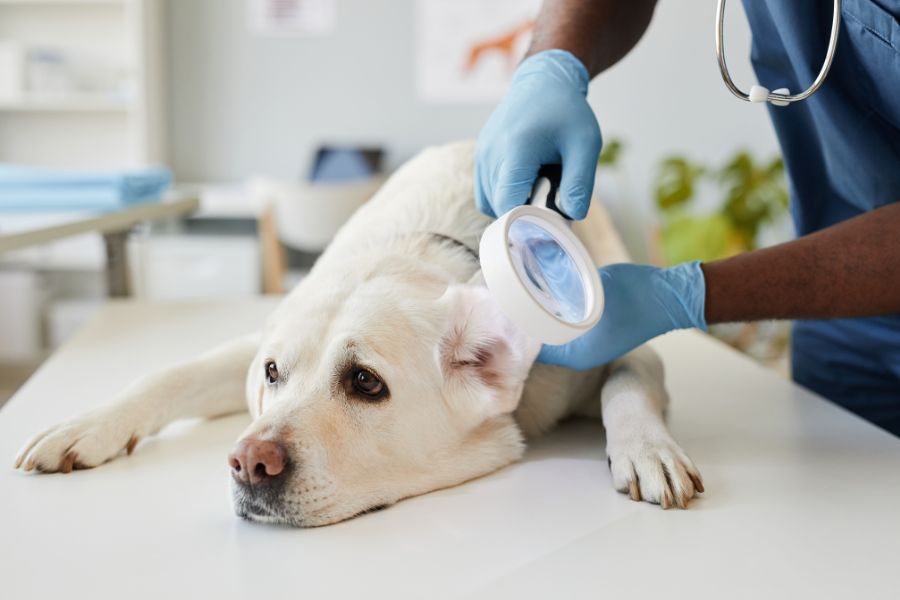
As a pet owner, you want your companion to enjoy a long, healthy, and comfortable life. However, many chronic illnesses in pets—such as kidney disease, diabetes, heart disease, and thyroid disorders—develop slowly and often without obvious symptoms in the early stages. By the time signs appear, the condition may already be advanced.
This is where veterinary diagnostic care becomes incredibly important. Advanced diagnostic tools allow veterinarians to detect health issues early, helping pets receive timely treatment and better long-term outcomes. At Crysler Animal Hospital in Independence, MO, diagnostic testing plays a vital role in identifying hidden illnesses and protecting your pet’s overall health.
Why Early Detection Is Important for Pets
Chronic diseases usually develop gradually. In many cases, pets may show only small behavioral or physical changes that are easy to overlook at home.
Early diagnostic testing helps veterinarians:
- Detect diseases before they become severe
- Improve the chances of effective treatment and management
- Reduce the risk of medical emergencies
- Lower long-term treatment costs
- Help pets maintain a better quality of life
By identifying health issues early, veterinarians can develop personalized treatment plans that support your pet’s long-term wellness.
Common Veterinary Diagnostic Tests for Pets
Modern veterinary clinics utilize several diagnostic tools to assess your pet’s internal health and identify potential issues.
1. Blood Tests
Blood testing is one of the most common ways veterinarians identify early signs of illness. These tests evaluate:
- Kidney and liver function
- Blood sugar levels
- Electrolyte balance
- Infection indicators
Bloodwork can help detect conditions like chronic kidney disease, diabetes, anemia, and thyroid disorders, often before visible symptoms appear.
2. Urinalysis
A urine test can reveal valuable information about your pet’s health. Urinalysis can help identify:
- Kidney disease
- Urinary tract infections
- Metabolic disorders
- Dehydration
Sometimes, kidney issues appear in urine results even before they show up in blood tests.
3. Diagnostic Imaging
Imaging technology allows veterinarians to examine internal organs and structures without surgery.
Common imaging tools include:
X-rays:
Used to detect bone abnormalities, lung problems, and heart enlargement.
Ultrasound:
Provides detailed images of organs such as the liver, kidneys, spleen, and intestines. It helps detect tumors, inflammation, cysts, and internal abnormalities.
4. Heart Health Monitoring
Heart disease can affect both cats and dogs, particularly as they age. Diagnostic tools help evaluate heart function and detect early abnormalities.
These tests may include:
- Electrocardiograms (ECG)
- Blood pressure monitoring
- Echocardiograms
These tools help veterinarians identify irregular heart rhythms and structural issues.
5. Hormone and Endocrine Testing
Hormonal disorders can also develop slowly and may go unnoticed for a long time.
Endocrine testing helps diagnose conditions such as:
- Hyperthyroidism in cats
- Hypothyroidism in dogs
- Cushing’s disease
Early diagnosis allows veterinarians to manage these conditions before they lead to serious complications.
Signs Your Pet May Need Diagnostic Testing
Even though some chronic diseases show no early symptoms, certain changes in your pet’s health should never be ignored.
Contact your veterinarian if you notice:
- Increased thirst or urination
- Sudden weight loss or unexplained weight gain
- Low energy or reduced activity
- Loss of appetite
- Vomiting or diarrhea
- Difficulty breathing
- Unusual behavioral changes
Even mild symptoms may indicate an underlying health issue that requires medical attention.
Routine Wellness Exams Support Early Diagnosis
Regular wellness exams are one of the best ways to protect your pet’s health. During these visits, veterinarians may recommend routine diagnostic screenings based on factors such as:
- Age
- Breed
- Medical history
- Lifestyle
Senior pets especially benefit from regular screenings because they are more likely to develop chronic conditions.
Routine testing also helps veterinarians establish a baseline of your pet’s normal health, making it easier to identify subtle changes in the future.
Protect Your Pet’s Health With Early Detection
Veterinary diagnostic care plays a crucial role in detecting chronic diseases before they become serious or life-threatening. With advanced diagnostic tools and regular checkups, veterinarians can monitor your pet’s health and identify hidden conditions early.
At Crysler Animal Hospital in Independence, MO, our team is dedicated to helping pets live healthier and happier lives through comprehensive diagnostic care and preventive medicine.
By prioritizing routine veterinary visits and early testing, you can give your pet the best chance at a long and comfortable life.
Frequently Asked Questions(FAQs):
1. Why are diagnostic tests important for pets?
A: Diagnostic tests help veterinarians detect illnesses early, often before symptoms appear. Early detection improves treatment success and helps maintain your pet’s overall health.
2. How often should my pet have diagnostic testing?
A: Most pets benefit from annual diagnostic screenings. Senior pets or pets with medical conditions may need testing every six months.
3. Are blood tests safe for pets?
A: Yes, blood tests are routine and safe procedures performed by trained veterinary professionals to evaluate your pet’s health.
4. What diseases can diagnostic tests detect?
A: Diagnostic testing can help identify conditions such as kidney disease, diabetes, thyroid disorders, infections, heart disease, and certain cancers.
5. When should I schedule diagnostic testing for my pet?
A: You should schedule testing if your pet shows unusual symptoms like weight changes, increased thirst, low energy, or digestive issues.