If you share your home with a dog, you want them to be safe from serious diseases. Vaccines play a major role in that protection. Yet one of the most common questions pet owners ask is simple: How often does my dog really need vaccines?
The answer depends on your dog’s age, health, and lifestyle. In this guide, we’ll break down how often dogs need core vaccines, what those vaccines protect against, and how to build a schedule that fits your pet’s life. You’ll walk away with clear, practical information to help you make informed decisions.
What Are Core Vaccines for Dogs?
Core vaccines for dogs are immunizations recommended for every dog, no matter where they live or how often they socialize. These vaccines protect against diseases that are severe, highly contagious, or pose a public health risk.
In the United States, core vaccines for dogs include protection against:
- Rabies
- Distemper
- Parvovirus
- Adenovirus (Canine Hepatitis)
These diseases can cause serious illness and, in some cases, death. Some are also transmissible to humans, such as rabies. That’s why these vaccines are considered essential rather than optional.
Why Vaccination Timing Matters
Vaccines work by stimulating your dog’s immune system to recognize and fight disease. Timing is important because:
- Puppies have immature immune systems.
- Maternal antibodies (passed from the mother) can interfere with early vaccines.
- Immunity fades over time, requiring boosters.
Giving vaccines too early, too late, or skipping boosters can leave gaps in protection. A clear schedule helps avoid that risk.
Puppy Vaccination Schedule: The First Year
The first year of a dog’s life includes the most frequent vaccine visits.
1. 6–8 Weeks Old
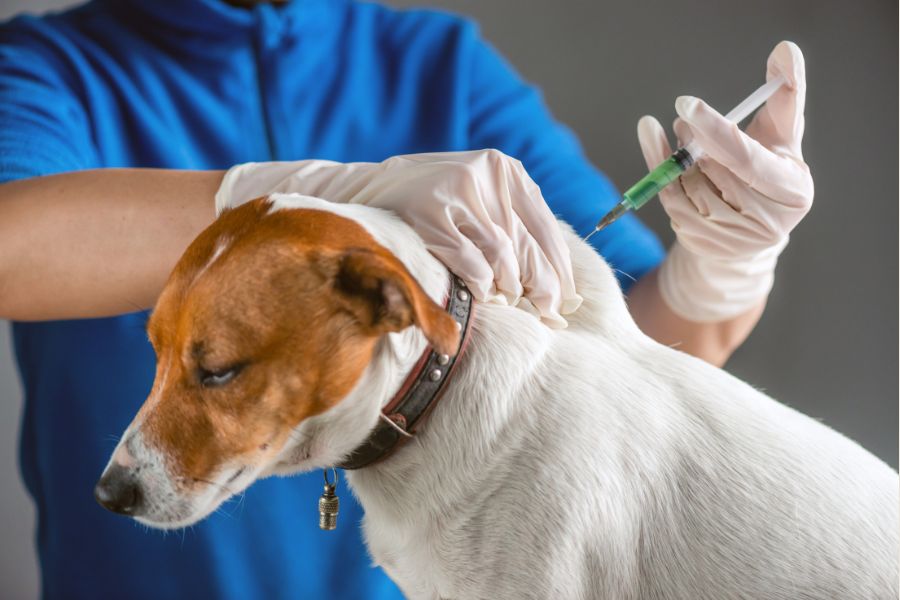
Puppies typically receive their first combination vaccine, which protects against distemper, parvovirus, and adenovirus.
At this stage, the immune system is still developing. The goal is to start building protection while maternal antibodies fade.
2. 10–12 Weeks Old
A second round of the combination vaccine is given. This booster strengthens the immune response.
3. 14–16 Weeks Old
The final puppy booster for the combination vaccine is administered. Rabies vaccination is usually given around this time as well, depending on state law.
After this series, most puppies are protected against major diseases.
How Often Do Adult Dogs Need Core Vaccines?
After the puppy series, core vaccines for dogs follow a booster schedule.
1. One-Year Booster
About one year after completing the puppy series, dogs receive:
- A booster for distemper, parvovirus, and adenovirus
- A rabies booster (depending on state requirements)
This booster locks in long-term immunity.
2. Every Three Years (Most Cases)
After the one-year booster, many core vaccines for dogs are given every three years. Research shows that immunity to these diseases often lasts longer than one year.
Rabies vaccine frequency depends on the type used and state regulations. Many states require it every one to three years.
Your veterinarian will follow both medical guidelines and local laws.
What About Senior Dogs?
Older dogs still need protection. Age does not eliminate the risk of infectious disease.
However, health conditions may influence vaccine timing. A senior dog with a chronic illness may require a tailored schedule. Your veterinarian may recommend:
- Continuing three-year boosters
- Running antibody titer tests to measure immunity levels
- Adjusting timing based on overall health
The goal remains the same: maintain protection without unnecessary stress on the immune system.
Understanding Each Core Vaccine
Let’s briefly look at what these vaccines protect against.
1. Rabies
Rabies affects the nervous system and is almost always fatal once symptoms appear. It can spread to humans through bites. Vaccination is required by law in most states.
2. Distemper
Distemper is a viral disease that impacts the respiratory, digestive, and nervous systems. It spreads easily through contact with infected dogs.
3. Parvovirus
Parvovirus causes severe vomiting and diarrhea, especially in puppies. It spreads through contaminated surfaces and can survive in the environment for months.
4. Adenovirus (Canine Hepatitis)
This virus affects the liver and can cause fever, abdominal pain, and serious illness.
Each of these diseases carries a high risk, which is why core vaccines for dogs are standard across the country.
Are Annual Vaccines Still Necessary?
Many pet owners grew up believing dogs need vaccines every year. Modern research has changed that view for core vaccines.
While dogs still benefit from yearly checkups, core vaccines for dogs are often given every three years after the initial boosters.
Annual visits remain essential for exams, parasite screening, dental checks, and overall pet preventive care. The exam helps catch problems early, even when vaccines aren’t due.
Can Dogs Skip Vaccines?
Skipping vaccines increases the risk of preventable illness. Even indoor dogs face exposure risks:
- Visitors can carry viruses inside.
- Wildlife can enter yards.
- Boarding facilities require proof of vaccination.
If you’re unsure about timing, talk with your veterinarian before delaying. Some clinics offer reminder systems to help you stay on track.
What Are Vaccine Titers?
A titer test measures the level of antibodies in your dog’s blood. It shows whether your dog still has protection against a disease.
Some pet owners choose titers instead of automatic boosters. While titers can provide useful information, they are not accepted in place of rabies vaccination under state law.
Your veterinarian can explain whether titers make sense for your dog’s situation.
Are Core Vaccines Safe?
Vaccines are tested for safety and effectiveness before approval. Most dogs experience no side effects beyond mild soreness or fatigue.
Rare reactions can include:
- Facial swelling
- Hives
- Vomiting
- Lethargy
Severe reactions are uncommon. Monitoring your dog for 24 hours after vaccination is wise. Contact your veterinarian if you notice concerning symptoms.
The benefits of core vaccines for dogs far outweigh the risks for the vast majority of pets.
Lifestyle Factors That Influence Vaccination
While core vaccines apply to all dogs, lifestyle still matters.
Consider:
- Does your dog visit dog parks?
- Do they travel or board?
- Are they exposed to wildlife?
- Do they attend grooming facilities?
These factors may lead to recommendations for non-core vaccines, such as Bordetella or leptospirosis. Core vaccines for dogs remain the foundation, but other vaccines may provide added protection based on exposure risk.
How to Stay on Schedule
Keeping track of vaccine dates can feel overwhelming. Here are practical tips:
- Keep digital copies of vaccine records.
- Use calendar reminders.
- Ask your veterinary clinic about reminder texts or emails.
- Bring records when traveling or boarding.
A simple system prevents missed boosters and avoids last-minute stress.
Clear Takeaways for Dog Owners
Vaccination schedules can feel confusing, but the core message is simple:
- Puppies need a series of vaccines starting at 6–8 weeks.
- A booster is given one year later.
- Most adult dogs receive core vaccines every three years.
- Rabies timing follows state law.
- Annual exams remain important even when vaccines are not due.
When you understand the timing and purpose behind each vaccine, decisions feel less overwhelming.
Your dog relies on you for protection. Staying informed helps you provide that protection with confidence.
If you have questions about your dog’s vaccine history or upcoming boosters, talk and schedule a consultation with Crysler Animal Hospital to review your pet’s health plan. Clear communication leads to better decisions and a healthier life for your dog.
Keeping up with core vaccines for dogs is one of the simplest, most effective ways to prevent serious disease. A thoughtful schedule today protects your companion for years to come.
Frequently Asked Questions(FAQs):
1. How often do dogs need core vaccines after the first year?
Most adult dogs receive core vaccines every three years after their one-year booster, though rabies frequency depends on state law.
2. Are indoor dogs required to get vaccinated?
Yes. Even indoor dogs can be exposed to viruses brought in by people, other animals, or contaminated objects.
3. Can too many vaccines harm my dog?
Vaccines are carefully scheduled to avoid over-vaccination. After the puppy series and one-year booster, core vaccines for dogs are usually spaced every three years.
4. What happens if I miss a booster?
If you miss a booster by a short time, your veterinarian may simply update the vaccine. If a long period has passed, a restart schedule may be recommended.
5. Is rabies vaccination legally required?
In most U.S. states, yes. Rabies vaccination is required by law, and proof may be needed for licensing or boarding.
6. Do small and large breeds follow different schedules?
No. Core vaccines for dogs follow the same timing regardless of breed or size.