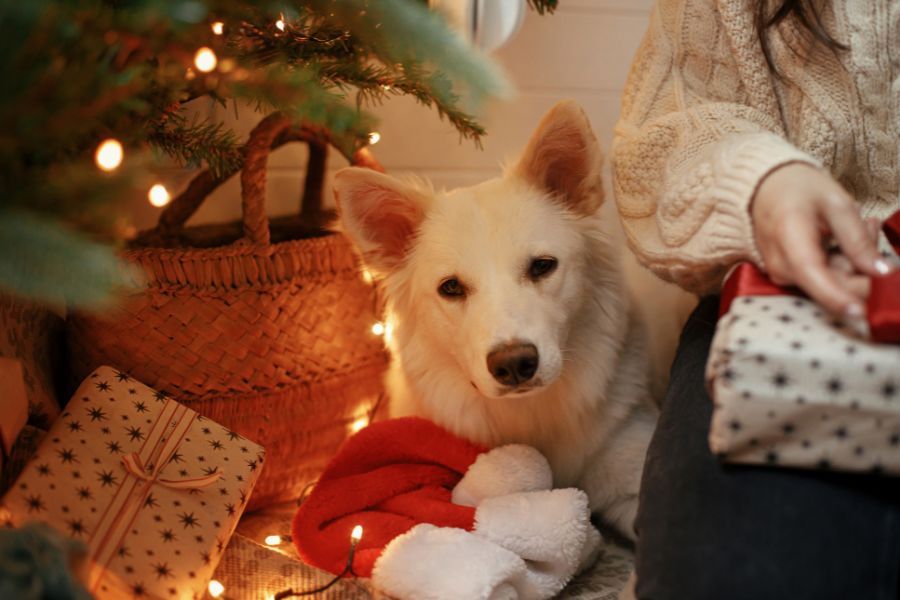
The holiday season is often associated with joy, gatherings, and indulgent meals. However, during this time, subtle changes in routine are often overlooked, and as a result, unwanted weight gain in pets can occur. Although a few extra treats may seem harmless, long-term health risks are frequently created. Therefore, awareness and planning are essential, and pet safety should always be prioritized during festive celebrations.
Why Holiday Weight Gain Happens in Pets
During holidays, pets are often exposed to calorie-rich foods, reduced activity, and irregular schedules. Family members and guests may be encouraged to share table scraps, and treats are commonly offered as expressions of affection. Consequently, excess calories are consumed, while energy expenditure is reduced.
Moreover, daily walks and playtime routines are often disrupted due to travel, cold weather, or busy schedules. As a result, weight gain is gradually developed without immediate notice. When these habits are repeated over several weeks, health concerns can be triggered, making pet safety an ongoing concern rather than a seasonal one.
Health Risks Linked to Weight Gain
Extra weight in pets is not just a cosmetic issue. Instead, it has been linked to several serious health conditions. Obesity has been associated with joint stress, arthritis, heart disease, diabetes, and breathing difficulties. Additionally, immune function may be weakened, and life expectancy can be reduced.
Furthermore, once weight is gained, it is often difficult to reverse. Therefore, prevention is strongly recommended. Through mindful feeding and routine maintenance, pet safety can be protected, and long-term wellness can be supported.
Common Holiday Feeding Mistakes
Several common mistakes are frequently made during holidays. First, portion sizes are often increased without awareness. Second, high-fat and sugary human foods are shared, even though they are not suitable for pets. Foods such as gravy, desserts, and processed snacks are especially problematic.
In addition, treats are sometimes used excessively to calm anxious pets during gatherings. While comfort is important, healthier alternatives should be considered. By making informed choices, pet safety can be maintained without sacrificing festive enjoyment.
The Role of Reduced Activity
Physical activity is a key factor in maintaining a healthy weight. However, during holidays, walks may be shortened, and playtime may be skipped. Cold weather or travel schedules can further limit exercise opportunities.
Nevertheless, activity does not always need to be outdoor-based. Indoor games, short play sessions, and interactive toys can be used effectively. By staying active, calories can be burned, and pet safety can be supported even during busy times.
Tips to Prevent Holiday Weight Gain
To protect pets during the holidays, simple preventive steps can be followed:
- Portion control should be maintained. Meals should be measured rather than estimated.
- Healthy treats should be selected. Low-calorie, pet-safe snacks are recommended instead of table scraps.
- Regular routines should be preserved. Feeding and exercise schedules should be kept as consistent as possible.
- Guests should be informed. Clear instructions should be given to avoid unauthorized feeding.
- Activity should be encouraged. Short walks and indoor play should be incorporated daily.
Through these steps, pet safety can be strengthened while allowing pets to enjoy the festive environment.
Monitoring Weight and Behavior
Weight changes are often gradual, so regular monitoring is important. Pets should be weighed periodically, and their body condition should be observed. Signs such as reduced energy, difficulty moving, or changes in breathing should not be ignored.
Additionally, behavioral changes like increased begging or lethargy may signal dietary imbalance. By staying observant, early intervention can be taken, and pet safety can be preserved before serious problems develop.
Long-Term Benefits of Healthy Holiday Habits
When healthy habits are practiced during holidays, benefits extend beyond the season. Pets are more likely to maintain a stable weight year-round, and chronic conditions can be avoided. Moreover, owners often feel more confident knowing that responsible care has been provided.
Importantly, holidays are meant to be joyful for everyone, including pets. By focusing on balance rather than restriction, celebrations can be enjoyed while pet safety remains intact.
When Professional Guidance Is Needed
If weight gain has already occurred or if dietary needs are unclear, professional advice should be sought. Personalized recommendations can be provided based on age, breed, and health status. With proper guidance, safe weight management plans can be created.
For tailored advice on nutrition and activity during the holidays, contact us to ensure your pet’s health and comfort are fully supported.
Frequently Asked Questions( FAQs):
1. How much weight gain is considered unhealthy for pets?
A: Even a small increase of 5–10% of body weight can be unhealthy, especially for smaller pets. Any noticeable change should be addressed early for pet safety.
2. Are holiday treats made for pets safe to give freely?
A: No. Although pet-specific treats are safer than human food, they are still calorie-dense. Moderation is required to maintain pet safety.
3. Can holiday weight gain be reversed easily?
A: Weight can be managed with diet and exercise adjustments; however, prevention is easier than reversal. Gradual changes are recommended.
4. What signs indicate my pet has gained too much weight?
A: Reduced energy, difficulty jumping or walking, and loss of a visible waistline are common signs. Regular weight checks are encouraged.
5. How can guests help support pet safety during holidays?
A: Guests can help by avoiding feeding pets table scraps and following household feeding rules. Clear guidance helps prevent accidental overfeeding.
Related Articles
