
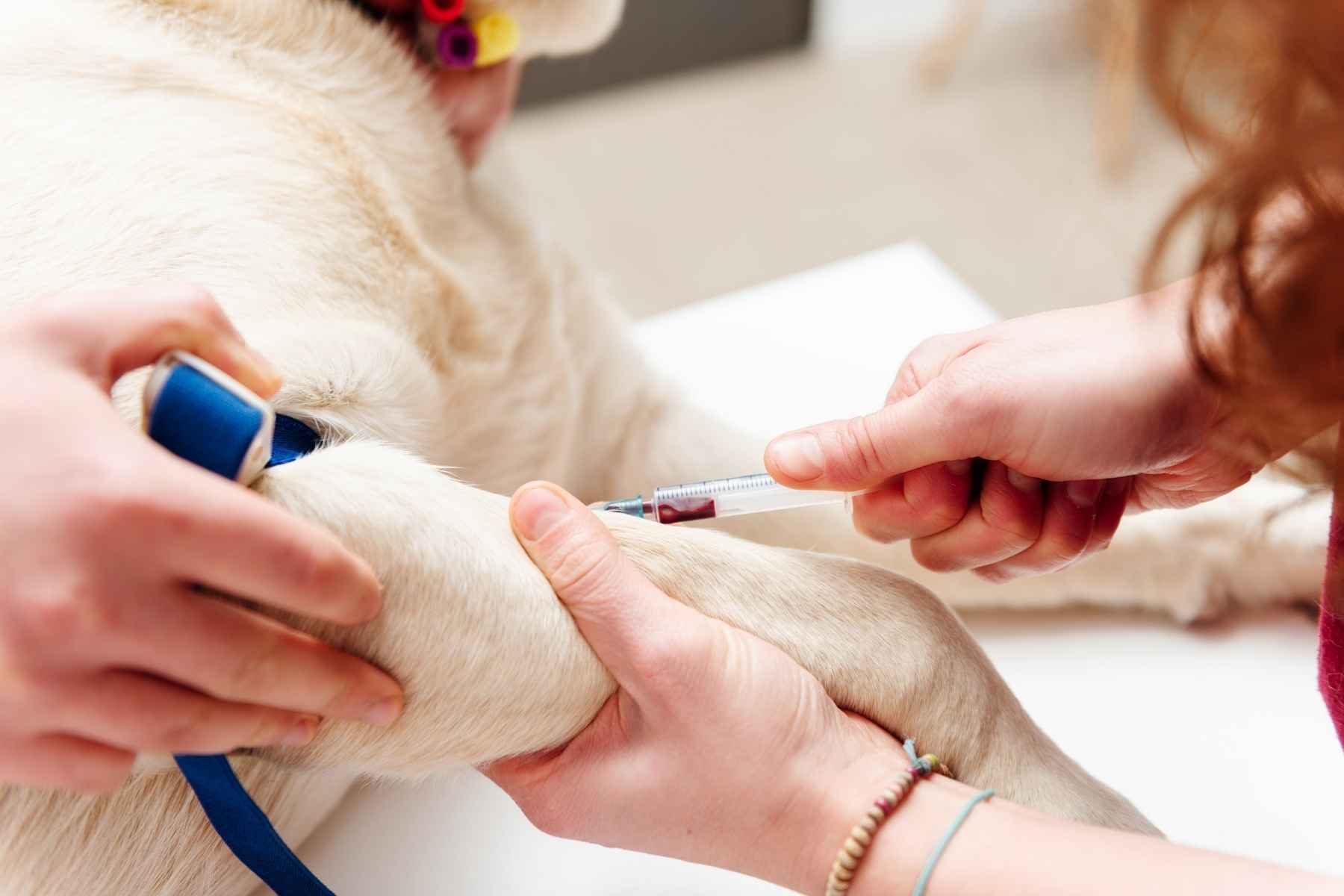
Aging changes everything, including what’s happening silently inside your pet’s body. Dogs and cats are remarkably skilled at hiding discomfort and illness. By the time visible symptoms appear, many health conditions have already been progressing for months or even years. This is one of the most important reasons why routine blood testing for senior pets is not simply a recommendation; it’s a cornerstone of responsible, proactive pet care.
Blood tests offer a window into organ function, immune health, hormonal balance, and more, all before a single symptom shows up on the outside. For older pets, especially, these results can be the difference between catching something early and manageable versus discovering it when treatment options are limited. At Crysler Animal Hospital, we believe every aging pet deserves that early advantage. If you have a senior dog or cat in Independence, MO, understanding what bloodwork can reveal and why it matters is one of the most valuable things you can do for your companion.
When Is a Pet Considered “Senior”?
The definition of senior varies by species and size. Generally speaking:
- Small and medium dogs (under 50 lbs) are considered senior around 7–8 years
- Large and giant breed dogs reach senior status earlier, around 5–6 years
- Cats are typically considered senior at 10–11 years, though many vets begin recommending increased screening at 7
Once your pet enters this life stage, annual wellness visits are no longer enough on their own. Most veterinarians recommend bloodwork every six months for senior pets, because a lot can change in a short window of time.
What a Senior Blood Panel Typically Includes
A comprehensive senior blood panel is made up of several components, each targeting a specific system or function in the body.
Complete Blood Count (CBC)
The CBC evaluates red blood cells, white blood cells, and platelets. It can detect:
- Anemia — a common and often overlooked condition in aging pets
- Infection or inflammation — signaled by elevated white blood cell counts
- Clotting disorders — reflected in abnormal platelet levels
- Bone marrow problems — suggested by irregularities across multiple cell types
Blood Chemistry Panel
This panel assesses the health and function of major organs and body systems, including:
- Liver — elevated liver enzymes (ALT, ALP, AST) can indicate liver disease, toxin exposure, or early hepatic dysfunction
- Kidneys — BUN (blood urea nitrogen) and creatinine levels reveal how well the kidneys are filtering waste; kidney disease is one of the most common conditions in senior cats
- Pancreas — lipase and amylase values can signal pancreatitis or pancreatic insufficiency
- Blood glucose — elevated glucose is a key indicator of diabetes, which is increasingly common in aging dogs and cats
- Protein levels — abnormal albumin or globulin can point to liver disease, intestinal issues, or immune system dysfunction
Thyroid Function Testing
The thyroid gland plays a powerful role in metabolism, energy, weight, and coat condition. Two very different thyroid conditions are common in aging pets:
- Hypothyroidism is common in dogs, causing weight gain, lethargy, and hair thinning
- Hyperthyroidism is extremely common in older cats, causing rapid weight loss, increased thirst, and hyperactivity despite old age
A simple thyroid hormone test (T4 level) can identify both conditions quickly and accurately.
Electrolyte Panel
Electrolytes, including sodium, potassium, and chloride, must remain in balance for your pet’s heart, muscles, and nerves to function normally. Electrolyte imbalances can accompany kidney disease, Addison’s disease, or severe dehydration, and are sometimes the first clue that something deeper is wrong.
Conditions Blood Tests Commonly Uncover in Senior Pets
Routine senior bloodwork frequently reveals conditions that were completely invisible to the owner beforehand. Some of the most common include:
Chronic Kidney Disease (CKD) is one of the leading causes of illness and death in senior cats. CKD progresses silently. By the time a cat drinks more water or loses weight visibly, significant kidney function has often already been lost. Early blood markers allow for dietary and medical intervention that can meaningfully extend quality of life.
Diabetes Mellitus Elevated blood glucose, combined with clinical signs like increased thirst and urination, confirms diabetes. The earlier it’s caught, the easier it is to regulate, and many pets go on to live full, comfortable lives with proper management.
Liver Disease: The liver has an enormous reserve capacity, which means it can be significantly compromised before a pet shows symptoms. Blood enzyme elevation is often the earliest and only sign in the early stages.
Cushing’s Disease (Hyperadrenocorticism) Common in middle-aged to older dogs, Cushing’s disease results from excessive cortisol production. It causes a pot-bellied appearance, hair loss, increased thirst, and skin changes — but blood testing is what confirms the diagnosis.
Anemia, whether from chronic disease, blood loss, or bone marrow issues, is regularly identified through CBC results in senior pets before it becomes severe enough to cause noticeable weakness or pale gums.
Why Early Detection Through Proper Pet Diagnostic Care Matters
Finding a condition early is not just comforting; it is clinically significant. Many of the diseases common in aging pets are manageable or even controllable when caught at an early stage. Kidney disease, diabetes, and thyroid disorders all respond much better to treatment when intervention begins before the disease is advanced.
Consistent, routine pet diagnostic care through bloodwork also establishes what’s “normal” for your individual pet, creating a personal baseline that makes future changes easier to identify. A result that looks “within range” in a generic reference chart may actually represent a significant shift for a specific animal.
How Often Should Senior Pets Have Bloodwork Done?
The general guideline for senior pets is:
- Once every 6 months for dogs and cats aged 7 and older
- More frequently if a known condition is being monitored or if a medication requires ongoing safety checks
Some pets may need quarterly monitoring depending on their health status. Your veterinarian is best positioned to recommend a schedule based on your pet’s individual history and current findings. Integrating pet diagnostic care into your senior pet’s routine is one of the highest-value investments you can make in their long-term health.
Your aging pet cannot tell you when something feels wrong. But their blood can. Routine bloodwork is the most reliable, non-invasive tool available to detect hidden disease before it becomes advanced, and for senior pets, that early awareness can translate directly into more healthy years together.
If you’re in Independence, MO, and need guidance from a veterinarian near you on managing your senior pet’s health, schedule your appointment with Crysler Animal Hospital. Our dedicated team is here to provide personalized, thorough care for every stage of your pet’s life, from their first visit to their golden years. Book today and give your senior companion the proactive care they deserve.
FAQs:
Q1. My senior pet seems perfectly healthy. Do they still need blood tests?
Ans. Yes, and this is exactly the point. Many serious conditions show no outward signs in the early stages. Bloodwork catches what you can’t see, and early intervention produces the best outcomes.
2. How is a blood sample collected from my pet?
Ans. It’s a quick and minimally invasive process. A small sample is drawn from a vein, typically in the leg or neck area, and the procedure takes only a few minutes. Most pets tolerate it very well.
3. What if something abnormal shows up in the results?
Ans. An abnormal result doesn’t automatically mean a crisis. It’s a starting point. Your veterinarian will interpret the findings in the context of your pet’s history, symptoms, and physical exam, and recommend appropriate next steps, which may include repeat testing, dietary changes, medication, or further diagnostics.
4. Are blood tests painful for pets?
Ans. The process is very brief and causes minimal discomfort, comparable to a routine blood draw in humans. Most pets experience little to no distress.
5. Can blood tests detect cancer in pets?
Ans. Standard bloodwork can suggest the possibility of certain cancers through abnormalities in cell counts, protein levels, or organ function, but it is not a definitive cancer diagnostic. If cancer is suspected, additional testing such as imaging or biopsies would be needed.
6. How long does it take to get blood test results?
Ans. Many clinics offer in-house bloodwork with results available the same day. Some specialized panels may be sent to an external lab, with results typically returned within 24–48 hours.
Related Articles
