
When a pet needs surgery, it can be an overwhelming experience for both the animal and their family. By understanding the process, preparation, and recovery involved, you can ensure your furry friend receives the best possible care.
Why Surgery May Be Necessary for Pets
Pets may require surgery for many different reasons, and not all procedures are life-threatening. Common surgeries include spaying and neutering, mass removals, dental extractions, orthopedic procedures, and emergency operations such as removing foreign objects. While some surgeries are elective, others are essential to save a pet’s life or restore comfort.
Importantly, veterinary teams evaluate every case individually. They consider your pet’s age, health condition, and medical history before recommending surgery. This careful assessment ensures that each procedure serves a genuine purpose in improving your pet’s overall well-being.
Preparing Your Pet for Surgery: Steps Every Owner Should Know
Preparation is key to ensuring a smooth surgical experience. Veterinarians often provide detailed instructions before the procedure, which may include fasting, adjusting medications, or conducting pre-surgical bloodwork. These steps help reduce risks and ensure your pet is strong enough for anesthesia.
In addition, creating a calm environment at home prior to surgery is essential. Simple actions like maintaining a quiet routine, offering reassurance, and limiting stressful activities can help your pet approach the experience with less anxiety.
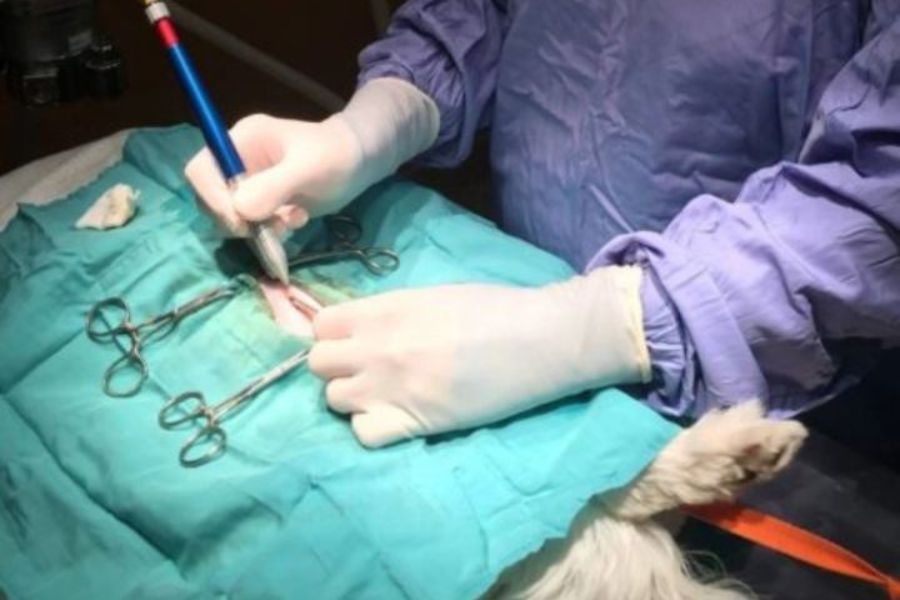
The Surgical Process: What Happens Behind the Scenes
Once your pet arrives at the veterinary hospital, the surgical team takes immediate steps to ensure comfort and safety. This often includes:
- Pre-anesthetic evaluation to confirm readiness.
- Administration of anesthesia tailored to your pet’s needs.
- Monitoring of vital signs throughout the procedure.
- Pain management during and after surgery.
Transitioning smoothly between these stages helps reduce stress and ensures the procedure is as safe as possible. Veterinarians also use advanced surgical equipment and sterile techniques, which minimize complications and promote faster healing.
Post-Surgery Recovery: Helping Pets Heal Faster
The recovery phase is just as important as the surgery itself. Pets often feel drowsy, disoriented, or uncomfortable after anesthesia, but attentive care at home helps them return to normal more quickly. Key recovery tips include:
- Providing a quiet, cozy space away from other pets.
- Limiting activity to avoid reopening incisions.
- Administering prescribed pain medications on schedule.
- Keeping follow-up appointments for progress checks.
By actively participating in your pet’s recovery, you create a supportive environment that speeds healing and reduces risks of complications.
How Owners Can Ease the Healing Journey
Transitioning into recovery is not only about physical healing but also about emotional support. Pets often seek extra affection and reassurance from their families after surgery. Spending quality time, offering gentle comfort, and maintaining a steady routine can help pets feel secure during this sensitive period.
Additionally, keeping a watchful eye on surgical sites for swelling, redness, or discharge ensures that any potential issues are addressed quickly. If concerns arise, contacting your veterinary team right away can prevent small issues from turning into major complications.
Common Types of Veterinary Pet Surgery
Pet owners in Independence, MO, may encounter a variety of surgical options depending on their companion’s needs. Some of the most common include:
- Spay and Neuter Procedures: Promoting population control and reducing the risk of reproductive health issues.
Dental Surgery: Addressing painful tooth extractions or oral disease. - Orthopedic Surgery: Treating broken bones, joint issues, or ligament injuries.
- Soft Tissue Surgery: Removing growths, repairing wounds, or addressing internal concerns.
- Emergency Surgery: Responding to urgent conditions such as foreign body ingestion or life-threatening injuries.
Each type of surgery serves a unique purpose, and veterinary hospitals in Independence, MO, are equipped to guide pet owners through these essential services.
Supporting Your Pet Beyond Surgery
Long-term health depends not only on surgical success but also on preventive care. Routine checkups, balanced nutrition, and proper exercise play an essential role in ensuring your pet enjoys lasting wellness after surgery. By combining surgical care with preventive measures, you give your pet the best chance at a vibrant, happy life.
While the idea of surgery can feel daunting, veterinary pet surgery in Independence, MO, provides pets with life-saving interventions, improved mobility, and better overall comfort. With the right preparation, trust in your veterinary team, and attentive aftercare, you can guide your pet through the process with confidence.
Every step—from the decision to operate, through the procedure, and into recovery—reflects the commitment to giving pets the healthier, brighter futures they deserve.