If your dog suddenly starts favoring one leg, struggles to rise, or avoids walks, it may signal a Cruciate Ligament Rupture. This guide explains causes, signs, diagnosis, care options, recovery expectations, and prevention in clear terms, helping you decide next steps with confidence.
You will learn when rest helps, when imaging matters, how pet surgery fits into treatment, and what home care supports healing. Early attention protects comfort and mobility, and informed choices reduce stress for families and pets alike.
This overview also answers common questions and outlines realistic timelines, so you know what to expect before, during, and after care at our Independence, MO clinic.
What Is a Cruciate Ligament and Why Does It Matters
Inside your dog’s knee sits a strong band that keeps the joint stable during running, jumping, and turning. When that band weakens or tears, the knee shifts in ways that cause pain and swelling. Small tears may begin with mild limping. Full tears often cause sudden non-weight-bearing on one leg. Untreated instability leads to joint wear, muscle loss, and reduced activity.
Common Signs Pet Parents Notice
Many dogs show a sudden limp after play. Others develop a slow, worsening gait. You might see stiffness after rest, trouble climbing stairs, or sitting with one leg angled out. Some dogs resist touch around the knee. Appetite and mood may dip because movement hurts. Catching these changes early shortens recovery.
Why Ruptures Happen
Age, breed, build, body weight, and activity level all play a role. Repeated stress on the knee weakens the ligament. Slips on smooth floors or quick turns while chasing a ball can finish the tear. Extra weight increases strain on joints. Balanced exercise and steady conditioning lower the risk.
How We Find the Problem
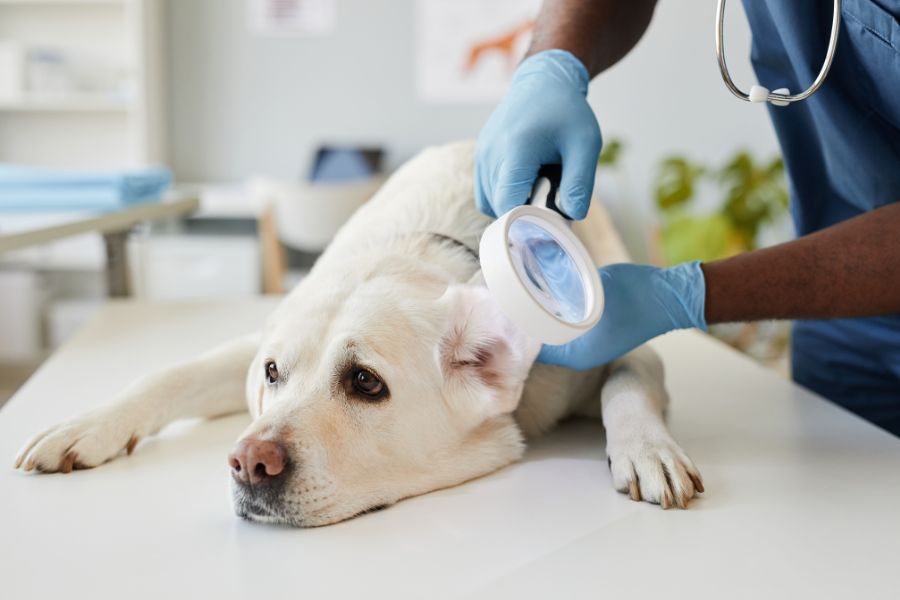
A hands-on exam checks knee movement and swelling. Simple imaging helps confirm changes inside the joint. Clear explanations follow every step so you understand results and options. Pain control often begins right away while a care plan takes shape.
Treatment Paths That Make Sense
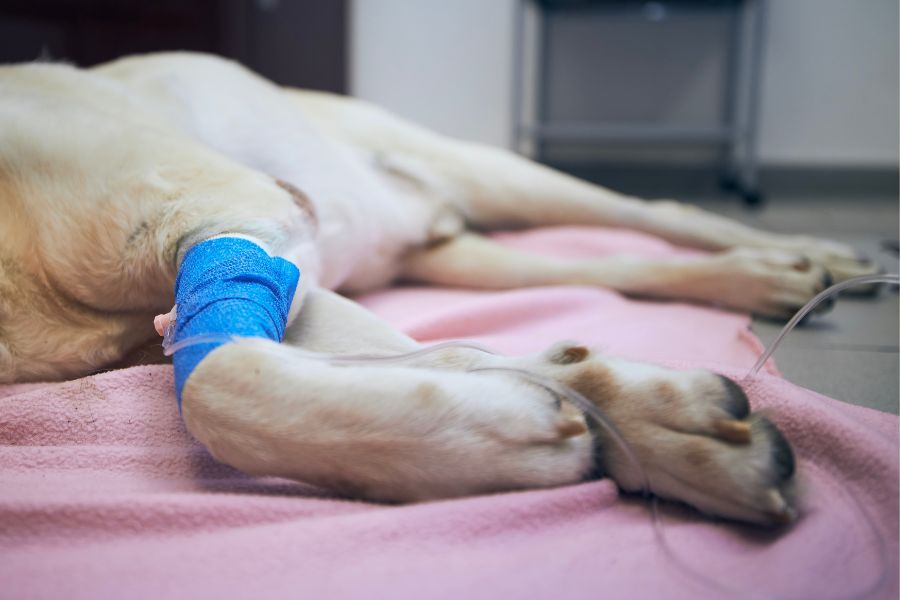
Some small dogs with partial tears improve with rest, guided exercise, and support braces. Larger dogs or complete tears often regain stability through pet surgery, which restores alignment and allows safe healing. Each plan considers age, size, lifestyle, and family goals. Recovery combines pain relief, controlled activity, and gradual strength building.
What Recovery Looks Like
Healing takes patience. Most dogs start light leash walks within weeks. Structured rehab rebuilds muscle and balance. Families learn safe home routines, floor traction tips, and weight management strategies. Progress checks adjust activity levels. Many pets return to their favorite activities with proper care and steady follow-through.
Preventing Future Knee Trouble
Keep nails trimmed to improve grip. Use rugs on slick surfaces. Maintain a healthy weight. Choose low-impact games that build strength without sharp turns. Warm up before play. Regular wellness visits spot early joint changes and guide simple adjustments at home.
Choosing Care With Confidence
Clear communication matters. Ask about benefits and risks, recovery steps, and realistic outcomes. Many families feel relief once a plan is in place. Midway through care, your team reviews progress and refines rehab. For dogs needing pet surgery, preparation guidance and aftercare coaching support smooth healing. Addressing a Cruciate Ligament Rupture early protects mobility and preserves quality of life.
Final Thoughts
Taking action at the first signs of knee pain gives your dog the best chance to return to comfortable movement. Whether your pet improves with guided rehab or needs advanced support, staying informed empowers smart decisions.
With patience, consistent home care, and follow-up visits, most dogs regain strength and confidence. If limping returns, seek advice promptly today. A Cruciate Ligament Rupture does not have to define your dog’s future when care begins early and continues thoughtfully.
We are conveniently serving in Independence, MO, and welcome you to our location: 12440 E US Hwy 40, Independence, MO 64055 — where compassionate care and community come together for your pet’s well-being. Schedule an appointment with Crysler Animal Hospital.
Frequently Asked Questions(FAQs):
1. How long does recovery usually take?
A: Most dogs show steady improvement across eight to twelve weeks, with strength and confidence continuing to build for several months. Timelines vary by tear type, size, home care consistency, and rehab access. Following personalized plans closely supports smoother progress and safer returns to daily routines.
2. Can my dog heal without surgery?
A: Some partial tears respond to rest, rehab, and weight control, especially in smaller dogs with calmer lifestyles. Complete tears often remain unstable without repair. A personalized exam weighs comfort, mobility goals, age, and household activity to decide which approach fits best.
3. Is the condition painful?
A: Yes. Swelling and joint movement cause discomfort that affects sleep, appetite, and willingness to move. Early pain control improves quality of life while tissues heal. Ongoing care focuses on comfort, safe activity, and muscle rebuilding to support lasting stability.
4. What does home care involve?
A: Expect short, calm leash walks, safe flooring, and simple exercises taught by your care team. You will monitor swelling, give prescribed medication, manage rest periods, and avoid jumping or rough play until cleared for gradual increases in activity.
5. Will arthritis develop later?
A: Joint wear can occur after injury, even with good treatment and rehab. Keeping weight healthy, staying active with low-impact exercise, using joint-friendly play, and scheduling regular checkups help manage long-term comfort and slow future stiffness.
6. How soon should I seek help for limping?
A: Any limp lasting more than a day or sudden non-weight-bearing, should be given prompt attention. Early evaluation reduces complications, limits joint damage, and shortens recovery. Quick visits also provide pain relief and clear guidance for safe home care.