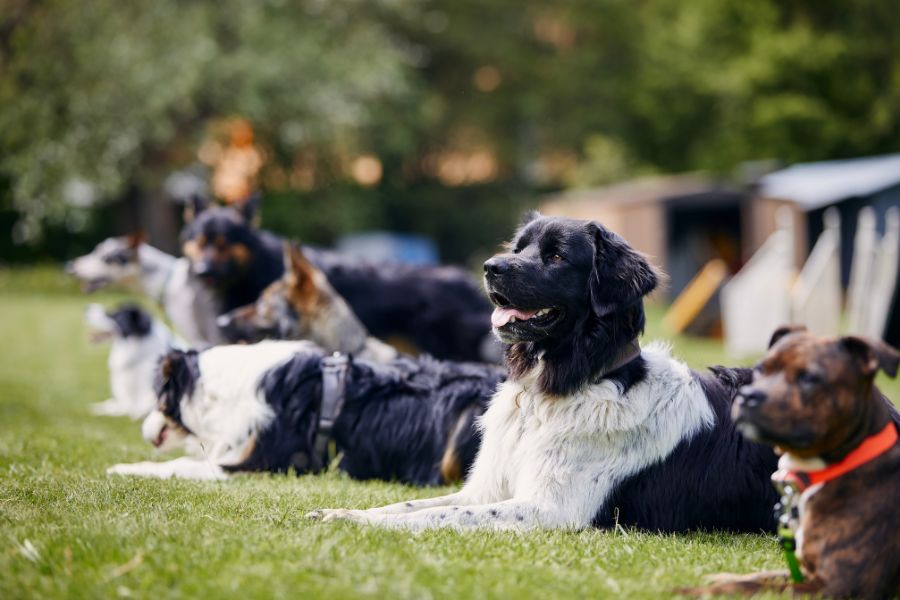

Summer brings longer days, outdoor adventures, and more time spent with pets outside. While warm weather can be enjoyable, high temperatures also increase the risk of dehydration, heat exhaustion, and heatstroke in dogs and cats. Pets can overheat more quickly than many owners realize, especially during intense activity or prolonged sun exposure.
At Crysler Animal Hospital, pet owners often ask how to keep their pets safe and comfortable during the hottest months of the year. Understanding simple cooling strategies, safe summer activities, and warning signs of overheating can help protect pets from preventable heat-related emergencies.
For pet owners in Independence, MO, preparing for summer temperatures can help dogs and cats stay healthier, more active, and more comfortable throughout the season.
Why Hot Weather Can Be Dangerous for Pets
Unlike humans, pets cannot cool themselves efficiently through sweating. Dogs primarily regulate body temperature through panting, while cats rely on grooming and limited sweat glands in their paws.
When temperatures rise too high, pets may struggle to release excess heat. Certain animals are especially vulnerable, including:
- Senior pets
- Flat-faced breeds such as Bulldogs and Pugs
- Overweight pets
- Thick-coated breeds
- Pets with heart or respiratory conditions
Even moderate summer temperatures can become dangerous if pets are overexerted or left in poorly ventilated spaces.
Signs Your Pet May Be Overheating
Recognizing early warning signs of overheating is essential for preventing serious complications.
Common Signs of Heat Stress
- Excessive panting
- Drooling
- Weakness or lethargy
- Bright red gums
- Vomiting
- Diarrhea
- Rapid heart rate
- Difficulty breathing
Severe heatstroke can become life-threatening and requires immediate veterinary attention.
Provide Plenty of Fresh Water
Hydration is one of the most important ways to help pets stay cool during summer.
Helpful hydration tips include:
- Refreshing water bowls frequently
- Providing multiple water stations indoors and outdoors
- Bringing portable water during walks
- Adding ice cubes to water bowls on especially hot days
Some pets may drink more during summer activity, so monitoring hydration is important.
Try Pet-Safe Frozen Treats
Frozen treats can provide both cooling relief and mental enrichment.
Simple Summer Treat Ideas
- Frozen plain pumpkin puree
- Ice cubes made with low-sodium broth
- Frozen watermelon pieces without seeds
- Pet-safe frozen yogurt treats
- Chilled cucumber slices
Always introduce treats in moderation and avoid ingredients toxic to pets, such as xylitol, grapes, or chocolate.
Adjust Outdoor Playtime
Exercise remains important during summer, but timing matters.
Best Times for Outdoor Activity
Early mornings and evenings are generally cooler and safer for walks or play sessions.
Avoid Hot Pavement
Pavement and asphalt can become dangerously hot and may burn paw pads. If the ground feels too hot for your hand, it is likely too hot for your pet.
Choose Shaded Areas
Parks with grass, trees, or shaded trails provide safer environments during warm weather.
Safe Indoor Summer Activities
Indoor enrichment can help pets stay active without overheating.
Cooling Play Ideas
- Puzzle feeders
- Indoor fetch games
- Training sessions
- Treat-dispensing toys
- Cooling mats or elevated beds
Cats may also enjoy shaded window perches or quiet air-conditioned spaces during hot afternoons.
Never Leave Pets in Parked Vehicles
Even with cracked windows, vehicle temperatures can rise rapidly within minutes.
On warm days, the inside of a car may quickly reach dangerous temperatures capable of causing heatstroke or death. Pets should never be left unattended in vehicles under any circumstances.
Grooming and Coat Care During Summer
Proper grooming can help pets stay more comfortable during warm weather.
Brush Regularly
Removing loose fur improves airflow through the coat and reduces matting.
Avoid Over-Shaving Certain Breeds
Some double-coated breeds rely on their coats for insulation from heat and sun exposure. Veterinarians or groomers can recommend appropriate grooming strategies for individual pets.
Watch for Heatstroke Emergencies
Heatstroke is a serious medical emergency that requires immediate action.
Symptoms of Heatstroke
- Collapse
- Unresponsiveness
- Severe panting
- Vomiting
- Seizures
- Bright red or pale gums
If heatstroke is suspected:
- Move the pet to a cool area immediately
- Offer small amounts of cool water
- Use cool towels on the paws and abdomen
- Seek veterinary attention right away
Prompt treatment at an animal hospital can significantly improve outcomes for pets experiencing heat-related emergencies.
Summer Safety Around Water
Many pets enjoy pools, lakes, or sprinklers during summer.
Safety tips include:
- Supervise pets around water at all times
- Using pet life jackets during boating
- Rinse the chlorine or lake water from the coat afterward
- Preventing pets from drinking excessive pool or lake water
Not all dogs are natural swimmers, so gradual introductions to water are safest.
Why Preventive Veterinary Visits Matter During Summer
Warm weather can also increase exposure to:
- Fleas and ticks
- Mosquitoes
- Allergens
- Dehydration risks
- Paw injuries from hot surfaces
Routine veterinary care helps identify seasonal health concerns early and supports overall wellness during the summer months.
For pet owners in Independence, MO, taking preventive steps during hot weather can help pets stay safer and more comfortable all season long. At Crysler Animal Hospital, our veterinary team provides personalized guidance and seasonal care recommendations to help pets stay healthy during summer activities.
If your pet shows signs of overheating, dehydration, or summer-related discomfort, schedule your appointment with Crysler Animal Hospital. Our team can help evaluate your pet’s condition and recommend preventive care strategies tailored to your pet’s lifestyle and health needs.
Frequently Asked Questions
Q1. How do I know if my pet is overheating?
Ans. Common signs include excessive panting, drooling, weakness, vomiting, rapid breathing, and bright red gums. Severe symptoms such as collapse or seizures require immediate emergency veterinary care.
Q2. Are some pets more sensitive to heat than others?
Ans. Yes. Flat-faced breeds, senior pets, overweight animals, thick-coated breeds, and pets with heart or breathing problems are often more vulnerable to heat-related illness.
Q3. Can pets safely eat ice cubes or frozen treats?
Ans. In moderation, ice cubes and pet-safe frozen treats are generally safe for healthy pets. Avoid treats containing harmful ingredients such as xylitol, chocolate, grapes, or excessive sugar.
Q4. What temperature is too hot to walk my dog?
Ans. Hot pavement can burn paw pads even when outdoor air temperatures seem manageable. Early morning or evening walks are usually safest during summer heat.
Q5. Is it safe to leave pets in a parked car briefly?
Ans. No. Vehicle temperatures can rise dangerously within minutes, even with windows cracked. Pets should never be left unattended in parked vehicles.
Q6. How can I help my indoor cat stay cool during summer?
Ans. Provide shaded resting areas, fresh water, cooling mats, proper airflow, and indoor enrichment activities. Some cats also enjoy chilled treats or cool tile floors during hot weather.
Related Articles