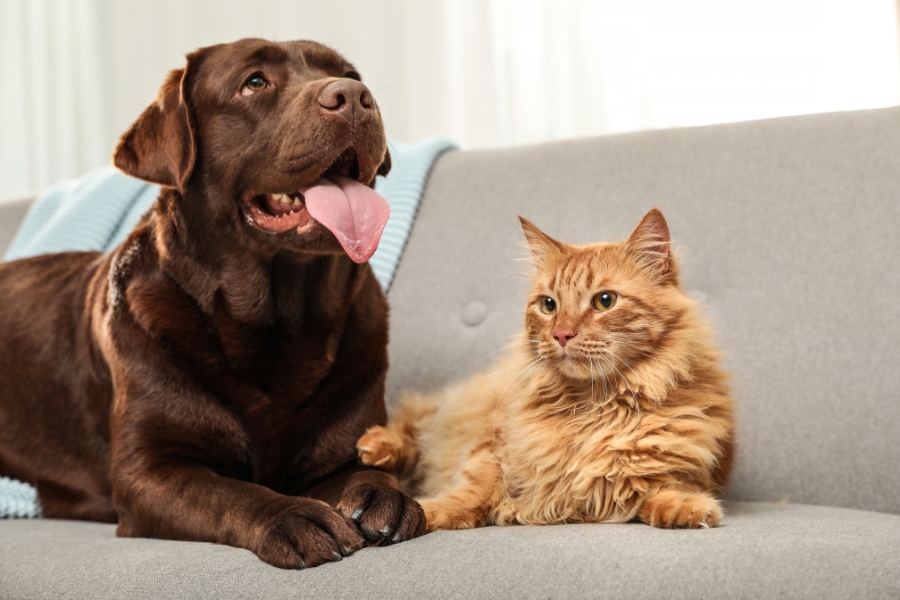

A pet can have bright eyes, a healthy appetite, and plenty of energy while still developing a health problem that is not obvious at home. Many conditions begin quietly, making regular veterinary exams an important part of protecting your pet’s long-term health. Preventative veterinary care helps veterinarians identify potential concerns before they become more serious, painful, or difficult to manage.
For pet owners in Independence, MO, routine wellness visits provide more than a basic checkup. They create an opportunity to monitor changes over time, keep vaccinations and parasite prevention current, discuss nutrition and behavior, and build a health plan based on your pet’s age, lifestyle, and individual needs.
Why Healthy Pets Still Need Regular Veterinary Exams
Pets are naturally good at hiding discomfort. A dog or cat may continue eating, playing, and interacting normally even when an underlying condition is beginning to develop. By the time noticeable symptoms appear, a problem may have already progressed.
During a routine veterinary examination, a veterinarian can look for subtle changes that owners may not recognize. This may include changes in weight, heart or breathing patterns, dental health, skin and coat condition, mobility, or abdominal health.
Regular exams also establish a health baseline. When your veterinarian knows what is normal for your pet, even small changes between visits can be easier to identify and investigate.
What Preventative Veterinary Care Includes
Preventative care is not limited to vaccinations. It involves several parts of your pet’s overall health and can change as your companion gets older.
Common components include:
- Routine wellness examinations
- Core and lifestyle-based vaccinations
- Parasite prevention and screening
- Dental health evaluations
- Nutrition and weight monitoring
- Behavior and lifestyle discussions
- Age-appropriate health screening
- Early detection of developing conditions
Your veterinarian can recommend the appropriate schedule based on your pet’s age, breed, health history, and exposure risks.
Early Detection Can Make a Difference
One of the biggest advantages of preventative veterinary care is the opportunity to discover health concerns early. Some diseases may initially produce little or no outward evidence.
For example, a pet may appear healthy while experiencing early dental disease, gradual weight changes, or developing internal health issues. Routine examinations and recommended diagnostic testing can provide additional information that cannot be gained simply by observing your pet at home.
Early identification may give you more treatment options and can sometimes make management simpler and less costly than waiting until a condition becomes an emergency.
Preventative Care Changes as Pets Age
Your pet’s healthcare needs are not the same throughout life. Puppies and kittens generally need frequent wellness visits during their early development, while adult pets benefit from ongoing examinations and preventive maintenance.
As pets enter their senior years, veterinary visits become especially valuable. Older dogs and cats can experience age-related changes involving their joints, teeth, kidneys, heart, metabolism, vision, and other body systems.
Senior pets may also benefit from additional screening based on their individual risk factors. Detecting changes early can help your veterinarian develop a plan to maintain comfort and quality of life.
Dental Health Is Part of Preventative Care
Dental problems are another reason a healthy-looking pet should not skip veterinary visits. Bad breath, difficulty chewing, dropping food, pawing at the mouth, or changes in eating habits can indicate oral discomfort, but some pets show few obvious signs.
During wellness visits, your veterinarian can examine the teeth and gums and look for signs of dental disease. Depending on your pet’s needs, professional dental care and an at-home oral hygiene routine may be recommended.
Keeping dental health on your preventative care checklist can help protect both comfort and overall wellness.
Vaccinations and Parasite Prevention Matter
Even pets that spend most of their time indoors can face exposure to infectious diseases and parasites. The level of risk varies depending on your pet’s lifestyle, environment, travel, and contact with other animals.
Vaccinations help protect pets against important preventable diseases, while parasite prevention can reduce risks associated with fleas, ticks, heartworms, intestinal parasites, and other pests.
Your veterinarian can help determine which preventive measures are appropriate for your pet rather than relying on a one-size-fits-all approach.
Nutrition and Weight Checks Should Not Be Overlooked
A pet can gradually gain or lose weight without an owner immediately recognizing the change. Because weight can affect mobility, metabolic health, and overall well-being, monitoring it should be part of routine veterinary care.
At wellness appointments, your veterinarian can evaluate body condition and discuss your pet’s diet, treats, activity level, and feeding routine. Recommendations may change as your pet grows, becomes less active, or enters a different life stage.
Small adjustments made early can help prevent weight-related problems from becoming more difficult to manage.
How Often Should a Healthy Pet See a Veterinarian?
The ideal schedule depends on your pet’s age, health, lifestyle, and individual risk factors. Many healthy adult pets benefit from at least an annual wellness examination, while puppies, kittens, senior pets, and animals with ongoing health concerns may need more frequent visits.
A routine visit is also a good time to discuss anything that has changed at home, even if it seems minor. Changes in drinking, bathroom habits, sleep, appetite, activity, behavior, or mobility can provide useful clues about your pet’s health.
Make Wellness Visits Part of Your Pet’s Routine
Preventative veterinary care is about staying ahead of potential problems rather than waiting for symptoms to appear. Even when your pet looks perfectly healthy, regular examinations can help uncover subtle changes, maintain preventive treatments, and support better health throughout every life stage.
If your pet is due for a wellness exam, scheduling a routine visit with Crysler Animal Hospital can be an important step toward protecting their long-term health and comfort. Don’t wait for a noticeable problem to appear- book a preventative veterinary appointment and give your pet the ongoing care they deserve.
FAQs
Q1. Why does my healthy-looking pet need regular veterinary checkups?
Ans. Pets can hide early signs of illness, so routine veterinary examinations can help identify subtle health changes before they become more serious.
Q2. What does preventative veterinary care include for dogs and cats?
Ans. Preventative veterinary care may include wellness exams, vaccinations, parasite prevention, dental evaluations, weight monitoring, nutrition guidance, and age-appropriate health screening.
Q3. How often should a healthy dog or cat see a veterinarian?
Ans. Many healthy adult pets benefit from an annual wellness exam, while puppies, kittens, senior pets, and pets with medical concerns may need more frequent visits.
Q4. Can indoor pets still need preventative veterinary care?
Ans. Yes. Indoor pets can still face risks from parasites, infectious diseases, dental problems, weight changes, and age-related conditions, making routine preventive care important.
Q5. When should I schedule a preventive veterinary care visit?
Ans. If your pet is due for a wellness exam, vaccination update, parasite screening, or routine health evaluation, scheduling a preventive veterinary care visit is a good way to stay ahead of potential problems.
Related Articles