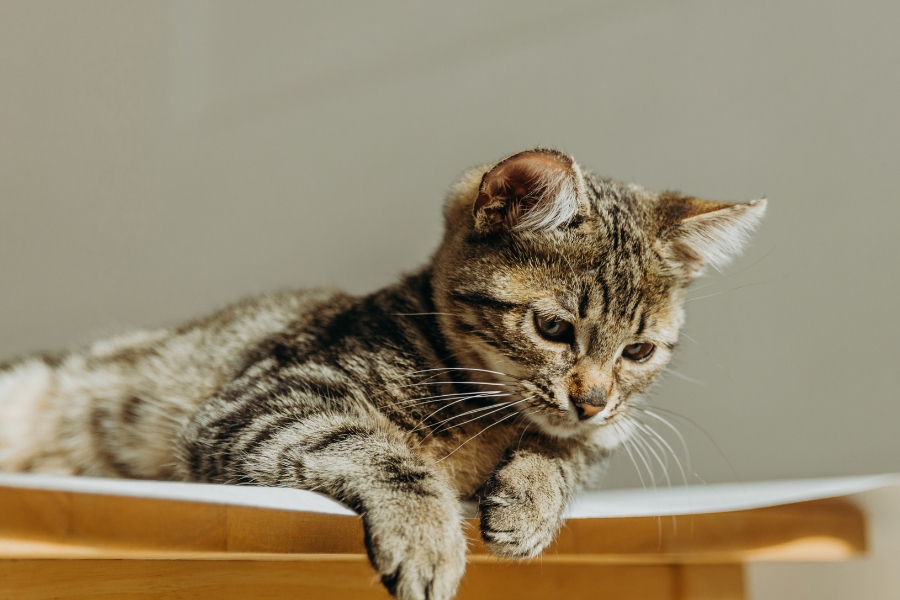

As a pet owner, seeing your furry companion in discomfort can be stressful and overwhelming. Knowing when your pet requires immediate medical attention can make a significant difference in their recovery and overall well-being. At Crysler Animal Hospital, we understand that unexpected health concerns can happen at any time, and our compassionate veterinary team is committed to providing prompt, high-quality care for pets throughout Independence, MO, serving Independence, Blue Springs, Kansas City, Grain Valley, Raytown, and the surrounding area.
Some health issues may appear minor at first but can quickly become more serious if left untreated. Understanding the most common reasons pets need immediate veterinary attention helps you act quickly and confidently when your pet needs professional care.
Difficulty Breathing
Breathing problems should never be ignored. If your pet is struggling to breathe, breathing rapidly, wheezing, or showing blue or pale gums, immediate veterinary evaluation is essential.
Possible causes include:
- Allergic reactions
- Heart disease
- Lung infections
- Airway obstruction
- Heat-related illness
Prompt treatment can help restore normal breathing and prevent further complications.
Vomiting or Diarrhea That Doesn’t Stop
Occasional stomach upset may not always be a cause for concern, but repeated vomiting or diarrhea can quickly lead to dehydration, especially in puppies, kittens, and senior pets.
Seek veterinary care if your pet:
- Vomits multiple times in one day
- Has diarrhea lasting more than 24 hours
- Shows blood in vomit or stool
- Refuses food or water
- Appears weak or lethargic
These symptoms may indicate infections, toxin exposure, digestive disorders, or other serious medical conditions.
Injuries After Falls or Accidents
Even if your pet appears normal after an accident, internal injuries may not be immediately visible.
Watch for signs such as:
- Limping
- Swelling
- Crying when touched
- Difficulty walking
- Bleeding
- Reluctance to move
A thorough veterinary examination helps identify hidden injuries before they worsen.
Poisoning or Toxic Substance Exposure
Many everyday household items can be dangerous for pets.
Common toxins include:
- Chocolate
- Grapes and raisins
- Certain medications
- Household cleaners
- Antifreeze
- Toxic plants
If you suspect your pet has consumed something harmful, avoid waiting for symptoms to develop. Contact your veterinarian immediately for guidance and treatment.
Difficulty Urinating
Straining to urinate, frequent attempts with little output, crying while urinating, or blood in the urine should be evaluated without delay.
Urinary blockages are particularly dangerous in male cats and can become life-threatening if not treated promptly. Dogs may also experience painful urinary tract issues requiring immediate veterinary attention.
Seizures or Sudden Collapse
A seizure or unexpected collapse can be alarming and should always be taken seriously.
Possible causes include:
- Neurological disorders
- Low blood sugar
- Toxin exposure
- Heart conditions
- Metabolic diseases
Your veterinarian can determine the underlying cause and recommend appropriate treatment.
Eye Injuries
Eye problems can progress rapidly and may permanently affect your pet’s vision if left untreated.
Signs to watch for include:
- Squinting
- Excessive tearing
- Redness
- Swelling
- Pawing at the eye
- Cloudiness
Prompt evaluation offers the best chance of preserving healthy vision.
Heat-Related Illness
Pets can quickly overheat during warm weather, especially when left outdoors or inside parked vehicles.
Warning signs include:
- Heavy panting
- Drooling
- Weakness
- Bright red gums
- Vomiting
- Collapse
Move your pet to a cooler location and seek veterinary care as soon as possible.
Bite Wounds and Animal Attacks
Not all bite wounds are easy to see. Small puncture wounds can trap bacteria beneath the skin, leading to painful infections or abscesses.
After any fight or animal attack, your pet should be examined to assess tissue damage and determine whether antibiotics, pain management, or additional treatment is needed.
Sudden Lethargy or Weakness
If your normally active pet suddenly becomes unusually tired, refuses to move, or appears disoriented, it may signal an underlying medical problem requiring prompt attention.
Potential causes include:
- Infection
- Internal bleeding
- Heart disease
- Diabetes complications
- Severe pain
Early diagnosis often leads to better treatment outcomes.
Broken Bones or Severe Limping
A fracture or severe sprain can cause significant pain and should never be ignored.
Avoid allowing your pet to continue walking if a broken bone is suspected. Keeping them as still as possible before transport helps prevent additional injury.
Loss of Appetite
Missing one meal may not always be concerning, but refusing food for more than 24 hours, particularly when combined with vomiting, diarrhea, or lethargy, warrants veterinary evaluation.
Loss of appetite often accompanies many illnesses and should not be overlooked.
When Should You Seek Veterinary Care?
If your pet is experiencing symptoms that seem unusual, rapidly worsening, or causing obvious pain, it’s always better to seek professional guidance rather than waiting to see if the problem improves on its own.
Quick action often leads to faster diagnosis, more effective treatment, and a better chance for a full recovery. Having a trusted veterinary team available for urgent pet care provides peace of mind when unexpected situations arise.
Helping Your Pet Stay Healthy
While not every illness or injury can be prevented, routine wellness exams, vaccinations, parasite prevention, proper nutrition, and close observation at home all play important roles in maintaining your pet’s health.
Learning to recognize changes in behavior, appetite, breathing, mobility, or energy levels allows you to seek veterinary care before a condition becomes more serious.
When your pet needs prompt medical attention, don’t delay. The experienced team at Crysler Animal Hospital is here to provide compassionate, professional care when it matters most. If your dog or cat is showing concerning symptoms or requires urgent pet care, call 816-358-2857 today to speak with our veterinary team and receive guidance on the next steps.
Frequently Asked Questions
Q1. How do I know if my pet needs immediate veterinary care?
Ans. If your pet is having difficulty breathing, repeated vomiting, severe diarrhea, sudden weakness, seizures, uncontrolled bleeding, or signs of significant pain, contact your veterinarian right away for advice.
Q2. Can I monitor my pet at home before calling a veterinarian?
Ans. Minor concerns may improve with monitoring, but symptoms that worsen quickly or persist should always be evaluated by a veterinary professional to avoid unnecessary complications.
Q3. What should I do if my pet eats something toxic?
Ans. Contact your veterinarian immediately. If possible, identify what your pet consumed and approximately how much. Avoid giving home remedies unless specifically instructed by a veterinary professional.
Q4. Is limping always a serious problem?
Ans. Not always, but severe limping, inability to bear weight, swelling, or obvious pain may indicate a fracture or other injury that requires prompt examination.
Q5. Why is repeated vomiting dangerous for pets?
Ans. Frequent vomiting can lead to dehydration and may be caused by serious medical conditions, toxin exposure, or intestinal obstruction that require veterinary treatment.
Q6. When should I call the veterinary clinic instead of waiting?
Ans. If your pet shows sudden behavioral changes, breathing difficulties, persistent digestive problems, collapse, seizures, or signs of significant pain, calling your veterinary clinic promptly is the safest decision.