
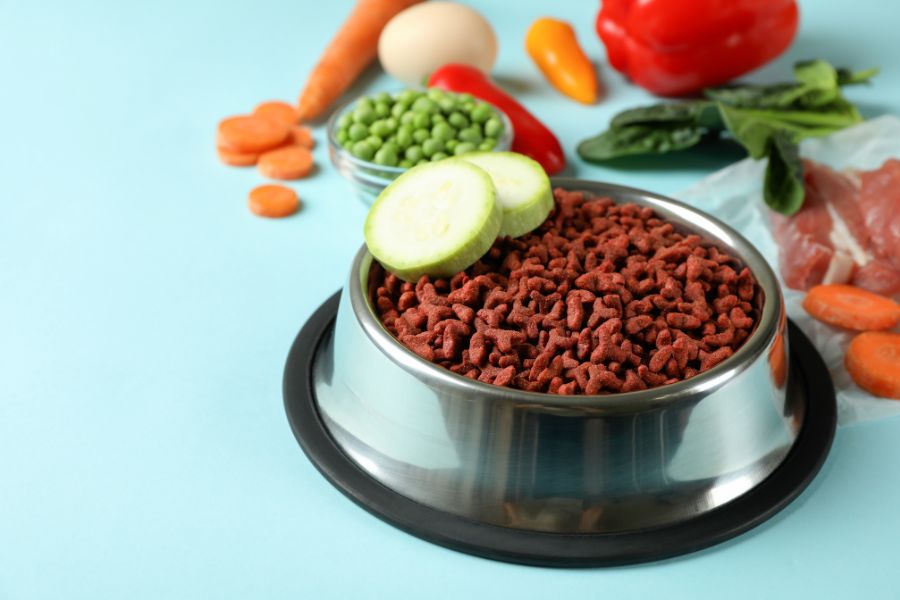
Large dogs with chronic allergies face daily discomfort that affects skin, digestion, energy, and mood. This guide explains how the right food supports relief, long-term health, and steady growth. You will learn what causes reactions, which ingredients help or harm, how to read labels, and how to feed large breeds with confidence.
The goal stays simple: help owners make informed choices using clear facts, practical tips, and realistic expectations, including when dog food for allergies fits into a complete care plan.
Understanding Chronic Allergies in Large Breed Dogs
Chronic allergies develop when a dog’s body reacts to common proteins, grains, or additives over time. Large breeds often show stronger symptoms because of size, slower metabolism, and joint stress. Signs include itching, ear issues, loose stools, gas, paw licking, and dull coats.
Food does not cause every allergy, but diet plays a major role in control. Dogs in Independence often face seasonal triggers mixed with food sensitivities, which makes consistency in feeding even more important.
Why Size Changes Nutritional Needs
Large breeds need balanced calories, controlled fat, and steady protein levels. Sudden diet changes stress digestion. Allergies add another layer. A formula that works for a small dog may fail for a larger one. The right food reduces inflammation without sacrificing muscle support or energy.
What to Look for in Allergy-Friendly Dog Food
The ingredient list matters more than the brand name. Simple formulas work best.
1. Limited Ingredient Recipes
Foods with fewer ingredients reduce the chance of reactions. One protein source and one main carbohydrate help owners track results. These diets suit dogs with long allergy histories.
2. Novel or Hydrolyzed Proteins
Proteins like duck, venison, or fish often cause fewer reactions. Hydrolyzed proteins break into smaller parts that the body ignores. Many dogs respond well when common proteins drop from the bowl.
3. Smart Carbohydrate Choices
Sweet potatoes, peas, or pumpkin replace corn or wheat. These options digest well and support gut health. Avoid fillers that add bulk without value.
4. Helpful Fats and Add-Ins
Omega three and six fats support skin strength and coat shine. Zinc and vitamin E help repair damage from scratching. Avoid artificial colors, flavors, and preservatives.
Ingredients That Often Trigger Reactions
Some ingredients appear often in problem diets. Beef, chicken, dairy, soy, wheat, and eggs lead the list. Artificial additives also cause issues. Reading labels prevents accidental exposure. Consistency matters; even small changes reset progress.
Feeding Tips for Better Results
Change food slowly over ten days. Measure portions based on weight and activity. Avoid table scraps. Track symptoms weekly. Improvement often shows in four to eight weeks. If signs worsen, stop and reassess. Many families in Independence keep a simple food journal to spot patterns.
The Role of Professional Guidance
Food trials work best with guidance. A trusted clinic like Crysler Animal Hospital can help rule out non-food causes and suggest testing if needed. Diet alone does not solve every allergy, but it builds a strong base for comfort.
Choosing Quality Without Overpaying
Price does not equal quality. Focus on clear labels, transparent sourcing, and consistent results. Online reviews help, but your dog’s response matters more. A well-chosen option for dog food for allergies supports comfort without excess supplements.
Long-Term Benefits of the Right Diet
The right food improves skin, digestion, weight control, and energy. Large breeds move better, rest better, and scratch less. Owners gain peace of mind and fewer setbacks.
Final Thoughts and Next Steps
Managing chronic allergies in large breeds requires patience, observation, and smart food choices. The right diet reduces flare-ups and improves daily comfort. If your dog struggles despite careful feeding, book an appointment with Crysler Animal Hospital in Independence to review symptoms, diet history, and next steps. With the right plan and the right dog food for allergies, long-term relief becomes achievable.
Frequently Asked Questions(FAQs):
1. How long does it take to see improvement after making a change to your diet?
A: Most dogs show early skin or stool changes within four weeks. Full results often take eight weeks. Stay consistent and avoid treats that contain old ingredients during the trial period.
2. Can large breed puppies have food allergies?
A: Yes, puppies can react early. Choose gentle formulas designed for growth. Proper calcium balance remains important to protect bones while managing sensitivity.
3. Is grain-free always better for allergies?
A: No. Some dogs react to grains, others do not. The protein source matters more. Grain-free diets help only when grains cause the reaction.
4. Should I rotate proteins often?
A: Rotation helps some dogs but harms others. Dogs with chronic allergies usually do better on a steady, proven formula rather than frequent changes.
5. Do supplements replace special diets?
A: Supplements support skin health, but cannot replace the right food. Diet forms the base. Add-ons work only when the main formula fits the dog.
6. Can treats cause allergy flare-ups?
A: Yes. Treats often contain hidden proteins or flavors. Use single-ingredient treats that match the main diet to avoid setbacks.