
A Healthy Mouth Means a Healthier Dog
Most dog owners are diligent about vaccines, parasite prevention, and annual checkups, but dental health tends to get pushed to the back of the list. The problem is not that owners do not care, but that dental issues in dogs develop quietly, without the obvious signals that something is wrong. At Crysler Animal Hospital, our dog dentistry in Independence helps ensure oral health gets the serious attention it deserves before small problems become painful and difficult to treat.
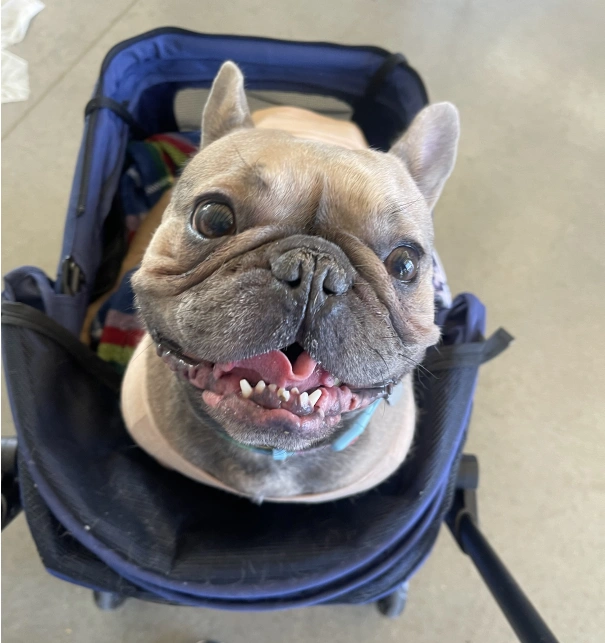

What Your Dog’s Mouth Is Telling You
Dogs do not come to you and point at a sore tooth. They keep eating, keep playing, and keep acting mostly like themselves, even when their mouths hurt. By the time behavioral changes or visible signs appear, dental disease has often already progressed well past its early stages.
Dental disease in dogs does not stay in the mouth, either. Bacteria from infected gums and teeth can enter the bloodstream and travel to the kidneys, liver, and heart, causing damage to organs that have nothing obvious to do with teeth. Recognizing the signs early and acting on them is the most reliable way to protect both your dog's oral health and their overall well-being.
Warning Signs Worth Paying Attention To
- Persistent bad breath: A strong or foul odor coming from your dog's mouth is almost always a sign of bacterial activity, gum infection, or decay rather than just normal dog breath.
- Yellow or brown buildup on teeth: Visible tartar accumulation along the gumline indicates plaque has hardened into deposits that a toothbrush cannot remove and requires professional removal.
- Red or swollen gums: Inflamed gums are one of the earliest and most consistent signs of gingivitis, the first stage of gum disease, and they deserve prompt attention.
- Dropping food while eating: When a dog starts chewing on one side, eating more slowly, or dropping kibble, it usually means eating has become painful, and they are compensating to avoid discomfort.
- Pawing at the face or mouth: Repeated face rubbing or pawing signals oral discomfort that your dog is trying to relieve on their own.
- Bleeding from the gums: Any blood noticed around the gums, on toys, or in the water bowl should be evaluated by a vet promptly.
If you have noticed one or more of these signs, it is time to schedule a dental evaluation. Waiting gives the underlying problem more time to progress and fewer treatment options.
What a Dog Dental Procedure Involves
Dental care for dogs is a multi-step process that goes well beyond what a simple visual look can accomplish. Each component plays a specific role in protecting your dog's oral health and ensuring nothing is missed. Here is what a complete dental visit at our clinic looks like from start to finish.
Pre-Anesthetic Exam and Bloodwork
Every dental procedure begins with a thorough physical exam and blood panel. The bloodwork evaluates how well your dog's organs are functioning, with particular attention to the liver and kidneys, as these organs process anesthetic medications. If values fall outside the acceptable range, we adjust the anesthetic plan accordingly or address the underlying issue before proceeding.
Pre-anesthetic screening is not an optional step for us. It is a standard part of every dental procedure because it protects your dog and gives the veterinarian the information needed to make safe, individualized decisions about anesthesia.
Full Anesthetic Monitoring
All dental procedures require general anesthesia. There is no way to safely clean below the gumline, take accurate X-rays, or address painful conditions while a dog is awake and moving. Anesthesia allows us to do a genuinely thorough job without causing stress or discomfort to your dog.
Throughout the procedure, a dedicated team member continuously monitors your dog. We track heart rate, respiratory rate, blood pressure, oxygen saturation, and body temperature from the moment anesthesia is administered until your dog is fully awake and alert. Every parameter is watched in real time so we can respond immediately to any change.
Digital Dental X Rays
One of the most important parts of a dental procedure is what happens below the surface. Up to 60 percent of each tooth's structure lies beneath the gumline, completely out of sight during a visual exam. Digital dental X-rays give the vet a clear picture of the tooth roots, surrounding bone, and any hidden issues, including fractures, root abscesses, bone loss, and early resorption.
We use digital X-rays on every dental patient because skipping them means missing a significant portion of what is actually happening in the mouth. A tooth that looks acceptable from the outside can have serious root or bone damage that only shows up on film.
Ultrasonic Scaling
Once imaging is complete and we have a full picture of the mouth, we use ultrasonic scaling to remove plaque and tartar deposits. The ultrasonic scaler uses high-frequency vibrations and a continuous water flow to break up and remove hardened tartar from all tooth surfaces, including the gingival pockets below the gumline, where bacteria cause the most destructive damage.
We follow up ultrasonic scaling with manual instruments to ensure every surface is thoroughly cleaned, including tight spaces between teeth and along the gumline, where tartar tends to accumulate in layers over time.
Polishing
After scaling, each tooth is polished with a fine paste applied using a rotary tool. Scaling removes tartar but leaves microscopic roughness on the tooth surfaces. Those rough areas act as anchors for new plaque and bacteria, accelerating tartar buildup after the cleaning. Polishing smooths those surfaces so they are as resistant as possible to future buildup, helping the cleaning results last significantly longer.
Extractions and Additional Treatment
When X-rays or the exam reveal teeth that are severely infected, fractured below the gumline, or structurally compromised in ways that cannot be repaired, extraction is often the most appropriate course of action. Leaving a painful or non-salvageable tooth in place does not help your dog. It keeps them in chronic discomfort and allows infection to continue spreading.
We perform extractions with careful attention to pain management before, during, and after the procedure. Dogs recover from extractions remarkably well, and most owners are genuinely surprised at how much more comfortable and energetic their dog is once a painful tooth is gone.
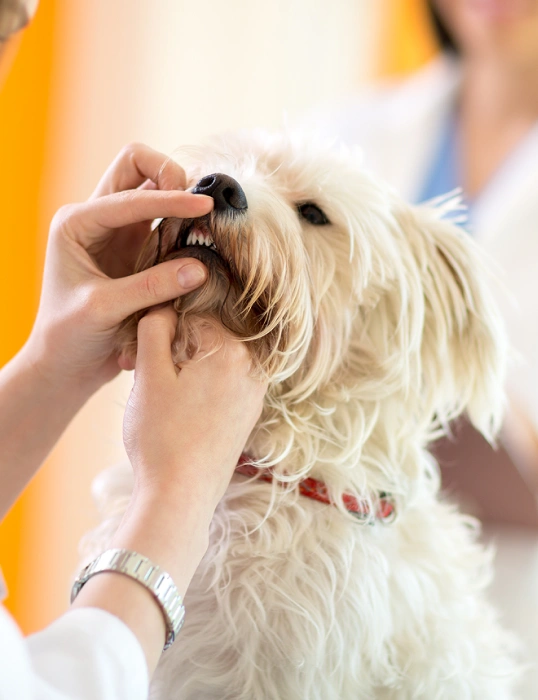
Dog Dental Services Beyond the Cleaning
Our dog dental services in Independence go beyond a single cleaning appointment. We think about dental health as an ongoing commitment that includes both in-clinic care and what happens at home between visits.
Home Dental Care Guidance
What you do between veterinary visits has a real impact on how quickly plaque and tartar return after a cleaning. We use part of every dental appointment to walk you through a realistic home care plan tailored to your dog.
- Daily tooth brushing: Using a soft-bristle pet toothbrush and dog-safe toothpaste, regular brushing is the single most effective way to slow tartar buildup at home. We can show you how to introduce brushing gradually so your dog actually tolerates it.
- Dental chews and treats: Products bearing the Veterinary Oral Health Council seal of approval have been tested and shown to reduce plaque and tartar meaningfully. We point you toward options your dog will genuinely enjoy.
- Water additives: Tasteless, odorless additives mixed into your dog's water bowl help reduce the bacterial load in the mouth with almost no effort on your part.
- Dental diets: Specially formulated foods use a mechanical scrubbing action during chewing to reduce buildup. We assess whether a dental diet is a good fit alongside your dog's overall nutritional needs.
How Often Does Your Dog Need a Dental Cleaning
The answer varies by dog. Breed, age, diet, home care habits, and individual tendency toward tartar accumulation all factor in. Most adult dogs benefit from a professional dental cleaning at least once a year. Some dogs, particularly smaller breeds that tend to accumulate tartar more rapidly, may need more frequent cleanings to stay ahead of gum disease.
During every wellness visit, the veterinarian assesses your dog's teeth and gums and gives you a clear recommendation based on what they see and your dog's specific history. Dental care for dogs is most effective as a consistent, ongoing part of your dog's overall health plan rather than something addressed only when problems become obvious.
Pay Attention to Your Dog’s Oral Health
Dental disease is one of the most common and most preventable conditions affecting dogs today, and most cases are caught far too late. With regular cleanings, proper home care, and a veterinarian who takes oral health seriously, your dog can go through life with a healthy mouth and none of the hidden pain that comes with untreated dental disease.
Contact Crysler Animal Hospital today to schedule dog dental care in Independence. Whether your dog has never had a dental cleaning or it has been a while since the last one, we will start exactly where you are and put together a plan that makes sense. Our team is here to make sure your dog's mouth gets the level of care that keeps them comfortable, healthy, and feeling their best for years to come.
Frequently Asked Questions
