
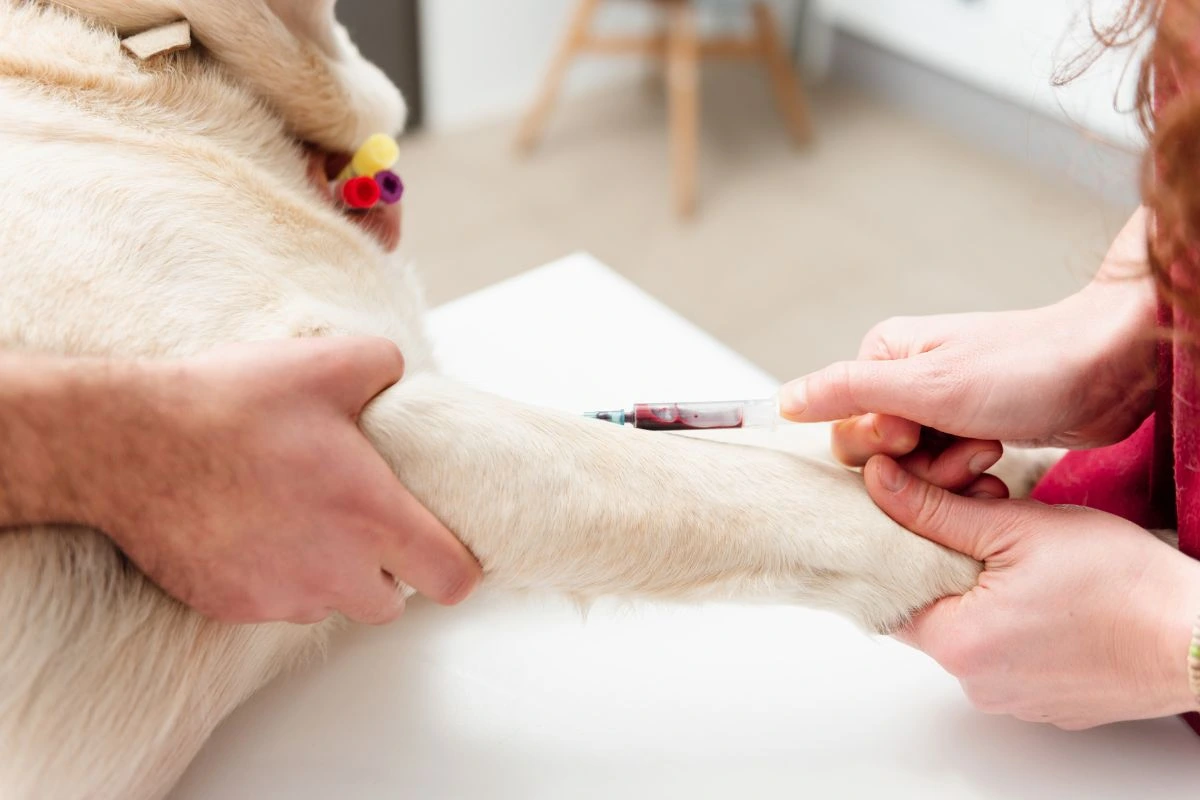
As dogs age, their health needs evolve, making proactive monitoring more important than ever. Senior dogs are more prone to chronic conditions that may develop quietly over time. That’s why regular blood testing plays a vital role in maintaining their well-being.
By incorporating routine diagnostics into your dog’s senior pet care plan, you can detect health issues early and ensure your pet enjoys a longer, healthier life.
Understanding the Importance of Blood Tests in Senior Pet Care
Blood tests are one of the most effective tools in modern veterinary care. They provide a detailed snapshot of your dog’s internal health, helping veterinarians assess how well vital organs are functioning.
For senior dogs, these tests are especially important because:
- Aging can slow organ function
- Diseases often develop without visible symptoms
- Early detection improves treatment outcomes
Routine blood work allows veterinarians to monitor subtle changes over time, making it easier to catch potential problems before they become serious.
What Blood Tests Reveal About Your Senior Dog’s Health
Blood tests evaluate several key health indicators that are crucial for effective senior pet care.
Kidney Function
Kidney disease is common in older dogs and often progresses silently.
Blood tests measure:
- Blood urea nitrogen (BUN)
- Creatinine levels
Early detection helps prevent further damage and supports better management of the condition.
Liver Health
The liver plays a vital role in digestion and detoxification.
Blood tests check:
- Liver enzymes
- Protein levels
Abnormal results may indicate liver disease or other underlying conditions.
Thyroid Function
Hormonal imbalances, especially hypothyroidism, are common in senior dogs.
Symptoms may include:
- Weight gain
- Lethargy
- Skin issues
Blood tests help confirm diagnosis and guide treatment.
Blood Cell Count
A complete blood count (CBC) evaluates:
- Red blood cells (oxygen transport)
- White blood cells (immune response)
- Platelets (clotting ability)
This helps detect infections, anemia, and immune-related conditions.
Blood Sugar Levels
Senior dogs are at higher risk for diabetes.
Monitoring glucose levels through blood tests allows early diagnosis and better management, preventing complications.
Early Detection Makes a Life-Changing Difference
One of the biggest advantages of routine blood testing is early detection. Many serious conditions develop gradually and may not show symptoms until they are advanced.
Conditions commonly detected early include:
- Kidney disease
- Liver disorders
- Diabetes
- Thyroid imbalances
- Infections
By identifying these issues early, veterinarians can begin treatment sooner, improving your dog’s quality of life and reducing long-term health risks.
This proactive approach is a cornerstone of effective senior pet care.
How Often Should Senior Dogs Have Blood Tests?
Most veterinarians recommend:
- At least once a year for senior dogs
- Every 6 months for dogs with existing health conditions
Frequency may vary depending on your dog’s breed, age, and medical history. Regular checkups are a key part of ongoing veterinary care.
The Role of Veterinary Care in Senior Dog Wellness
Routine visits to a trusted veterinary clinic ensure your dog receives comprehensive health monitoring.
During these visits, veterinarians:
- Review blood test results
- Track health trends over time
- Adjust medications or diet
- Provide preventive recommendations
Pet owners in Independence can schedule an appointment with Crysler Animal Hospital to receive personalized veterinary care tailored to their senior dog’s needs.
Benefits of Regular Blood Testing for Senior Dogs
Improved Quality of Life
Early diagnosis allows for timely treatment, helping your dog stay comfortable and active.
Better Disease Management
Chronic conditions can be managed more effectively when detected early.
Cost-Effective Care
Preventive testing often reduces the need for expensive emergency treatments.
Peace of Mind
Knowing your dog’s health status provides reassurance and confidence in your care decisions.
Supporting Your Senior Dog Beyond Blood Tests
While blood tests are essential, a complete senior pet care plan includes:
Proper Nutrition
Senior dogs require diets tailored to their changing needs.
Moderate Exercise
Regular, gentle activity helps maintain mobility and weight.
Comfortable Living Environment
Soft bedding and easy access to food and water improve daily comfort.
Regular Monitoring at Home
Watch for changes in appetite, behavior, or energy levels.
Combining these practices with routine veterinary care ensures your dog receives well-rounded support.
Signs Your Senior Dog May Need Immediate Testing
Don’t wait for routine visits if you notice:
- Sudden weight loss or gain
- Increased thirst or urination
- Lethargy or weakness
- Vomiting or diarrhea
- Changes in appetite
These symptoms may indicate underlying health issues that require prompt attention.
Long-Term Health Starts with Preventive Care
Preventive care is the foundation of a healthy life for senior dogs. Blood testing is a simple yet powerful tool that helps detect problems early and guide effective treatment.
By prioritizing routine diagnostics, you’re giving your dog the best chance at a longer, healthier life.
Final Thoughts
As your dog enters their senior years, proactive health monitoring becomes essential. Regular blood tests provide valuable insights that help detect and manage age-related conditions before they become serious.
With the right approach to senior pet care, including consistent veterinary care, you can ensure your dog remains comfortable, happy, and healthy.
If your senior dog hasn’t had a recent checkup, now is the perfect time to schedule an appointment with Crysler Animal Hospital in Independence. Their experienced team is dedicated to providing compassionate care and advanced diagnostics to support your pet’s long-term well-being.
FAQs
Q1. How often should senior dogs get blood tests?
Ans. At least once a year, or more frequently if recommended by your veterinarian.
Q2. What conditions can blood tests detect?
Ans. Blood tests can identify kidney disease, diabetes, liver issues, thyroid problems, and infections.
Q3. Are blood tests safe for older dogs?
Ans. Yes, they are routine, minimally invasive, and very safe.
Q4. Can blood tests detect cancer?
Ans. While not definitive, they can reveal abnormalities that may indicate serious conditions requiring further testing.
Q5. Why is early detection important?
Ans. Early detection allows for faster treatment, improving outcomes and quality of life.