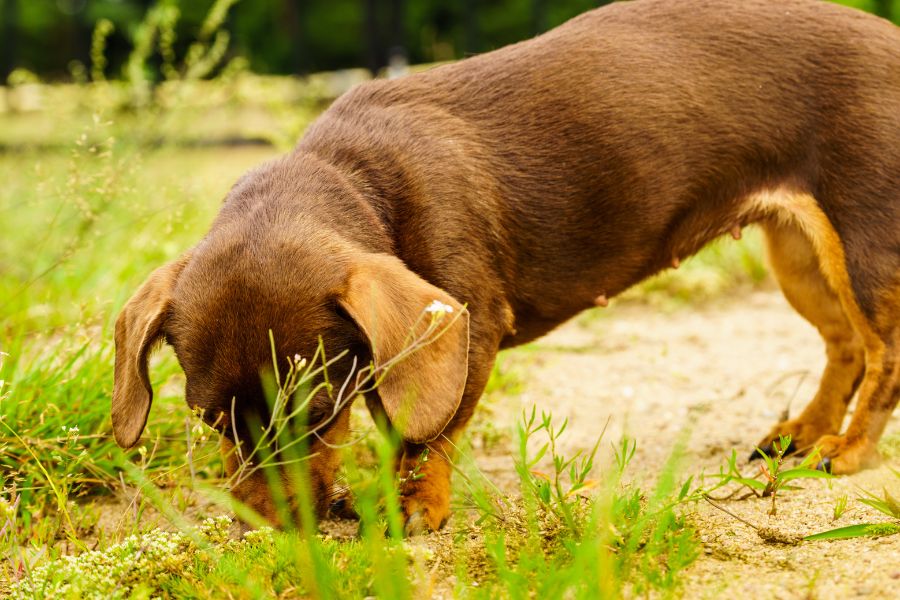
Dogs chewing or eating grass is a common behavior that often puzzles pet owners. While some see it as a harmless quirk, there is growing evidence linking this behavior to anxiety in dogs. Understanding this connection can help you provide better care and comfort to your anxious furry companion.
When Anxiety Turns to Grass
Many dogs nibble on grass when feeling anxious, much like humans might bite their nails during stress. This behavior can serve as a coping mechanism to soothe nervous energy. Imagine your dog encountering a stressful trigger—like loud noises, unfamiliar situations, or separation from you—and turning to grass chewing as a calming outlet.
Anxiety-induced grass eating is not just about comfort; it may also distract your dog from the source of their stress. For example, a dog feeling overwhelmed by a noisy environment might fixate on grass chewing as a redirecting behavior.
The Science Behind the Soothing Bite
Grass nibbling may stimulate the release of endorphins, natural mood boosters, in your dog’s brain. This could explain why some dogs appear more relaxed after munching on grass. Furthermore, the physical act of chewing itself can be calming, providing repetitive motion that diverts anxiety.
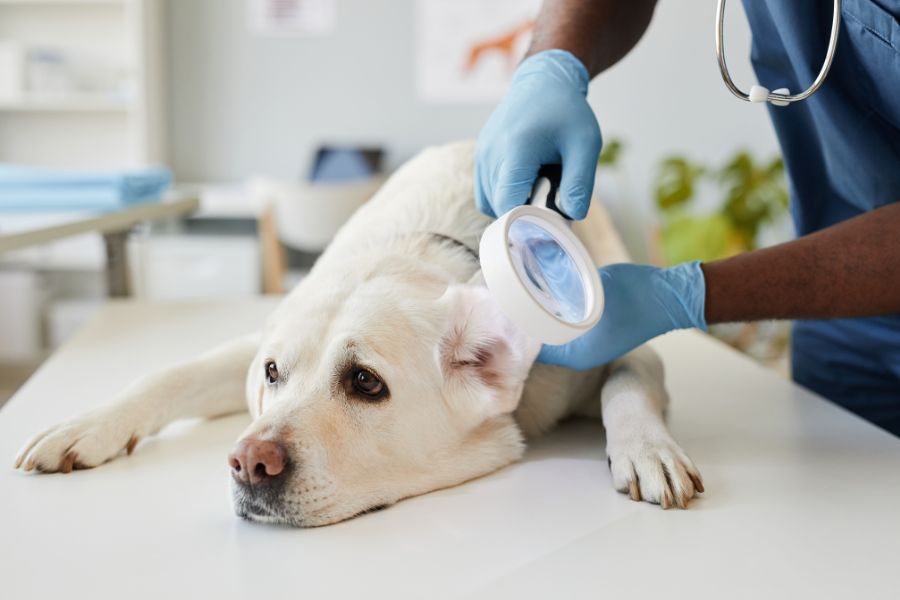
Despite this seemingly harmless behavior, excessive grass eating might indicate underlying issues that warrant professional attention. For persistent cases, consulting with a veterinary clinic in Independence, MO, is advisable to exclude physical health problems and explore anxiety treatment options.
Beyond Anxiety – When to Worry
Not all grass eating stems from anxiety. Sometimes dogs eat grass to supplement their diet with fiber or to soothe mild stomach upsets. However, if your dog shows additional symptoms like vomiting, lethargy, or changes in appetite, it’s crucial to seek veterinary advice promptly.
Additionally, grass eating triggered solely by anxiety can escalate if left unaddressed, potentially leading to digestive issues or other stress-related behaviors.
Practical Steps to Help Your Anxious Dog
If anxiety-induced grass eating is a concern, there are several strategies to alleviate your dog’s stress and reduce this behavior:
- Increase Exercise and Playtime: Regular physical activity helps burn off nervous energy and distract your dog from anxious cues.
- Provide Mental Stimulation: Interactive toys and puzzle feeders keep your dog’s mind engaged, decreasing boredom and anxiety.
- Create a Safe Space: A quiet, comfortable area with familiar scents can ease anxiety during stressful times.
- Behavioral Training: Desensitization and counter-conditioning can gradually reduce anxiety triggers. Working with a professional trainer or veterinarian is beneficial.
- Consult a Veterinarian: For severe anxiety cases, your veterinary clinic in Independence, MO, can offer advice and medical options.
By recognizing the signs of anxiety-related grass eating, you can better support your dog’s emotional and physical health. If you notice persistent grass chewing linked to nervousness, professional guidance from a veterinary clinic in Independence, MO, can provide tailored solutions for a happier, calmer pet.
Frequently Asked Questions( FAQs):
1. What does it mean when dogs eat grass?
A: Dogs may eat grass for various reasons, including dietary needs, boredom, anxiety, or digestive discomfort. Understanding the context helps determine whether it’s a harmless habit or a sign of stress or illness.
2. Is it okay to let dogs eat grass if they want to?
A: Occasional grass eating is usually harmless. However, excessive grass consumption or signs of illness should prompt a visit to the vet to rule out health concerns or anxiety disorders.
3. Could a dog be lacking something if it eats grass?
A: Sometimes dogs eat grass to compensate for dietary fiber or certain nutrients. Ensuring a balanced diet often reduces the need for grass chewing as supplemental roughage.
4. Do dogs eat grass when they are sick?
A: Yes, sometimes dogs eat grass to soothe an upset stomach or induce vomiting. If this is frequent or accompanied by other symptoms, veterinary evaluation is important.