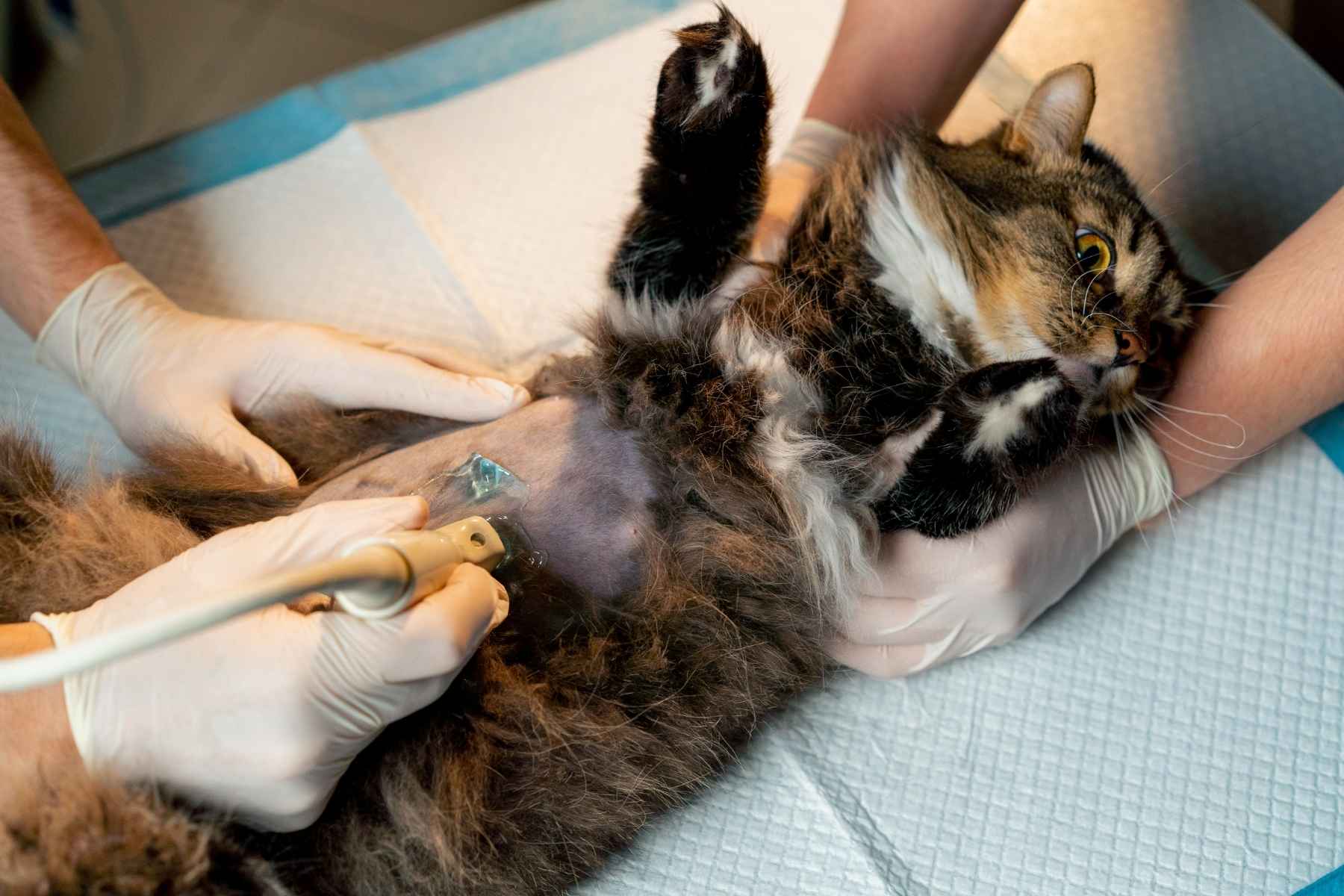

Maintaining your pet’s healthy weight is not just about how they look—it’s about how they feel, move, and live. A balanced diet, portion control, and an active lifestyle are the foundation of long-term wellness. Just like humans, pets can struggle with weight issues that affect their energy, mood, and overall health. But with the right nutrition plan, your furry companion can thrive at every stage of life.
Let’s explore practical and effective ways to ensure your pet stays fit, happy, and full of life!
The Weight Debate: Why It Matters More Than You Think
Many pet owners underestimate the importance of maintaining a healthy weight. However, excess weight can lead to serious health concerns such as diabetes, arthritis, respiratory issues, and heart disease. On the other hand, being underweight can weaken your pet’s immune system and reduce muscle mass.
The difference between a healthy pet and an overweight one isn’t always easy to spot—especially under a fluffy coat. That’s why veterinarians often recommend body condition scoring (BCS), which helps you determine whether your pet’s weight is in the ideal range.
Spot the Difference: Fit vs. Overweight Pets
- Fit pets have an easily felt rib cage with a visible waist when viewed from above.
- Overweight pets have ribs that are difficult to feel and lack a defined waistline.
Recognizing these differences early can help you take corrective action before weight-related issues arise.
Portion Control: Small Changes, Big Results
One of the simplest ways to manage your pet’s weight is by monitoring portion sizes. Overfeeding—even by a small amount—can quickly add up over time.
Use a measuring cup or digital scale to ensure accurate serving sizes, and avoid the common mistake of “eyeballing” portions. Pet food labels often list feeding guidelines, but these are just starting points. You should adjust based on your pet’s age, breed, and activity level.
???? Pro Tip: Divide your pet’s daily food into smaller meals rather than one large serving. This keeps their metabolism active and prevents overeating.
Choose Quality Over Quantity: Nutrient-Dense Diets
Feeding your pet high-quality, nutrient-rich food is far more beneficial than simply offering large quantities. A premium diet provides balanced proteins, fats, and carbohydrates without unnecessary fillers or artificial ingredients.
When choosing pet food:
- Look for real meat as the first ingredient.
- Avoid fillers like corn, soy, and wheat when possible.
- Select formulas designed for your pet’s life stage—puppy, adult, or senior.
- Include fiber to support digestion and satiety.
Remember, a small amount of the right food is better than a lot of the wrong one.
Healthy Treating: Reward Without Regret
Treats are essential for training and bonding—but they can also contribute to weight gain if given too often. Limit treats to no more than 10% of your pet’s daily calorie intake.
Choose healthy options such as:
- Baby carrots or green beans (for dogs)
- Freeze-dried meat treats (for both cats and dogs)
- Low-calorie, vet-approved snacks
Instead of food rewards every time, try praise, toys, or playtime to show affection. Your pet values your attention just as much as a tasty bite.
Hydration Matters: The Overlooked Factor in Weight Management
Water plays a critical role in metabolism and digestion. Adequate hydration helps your pet feel full, supports kidney function, and improves nutrient absorption.
Cats, in particular, are prone to dehydration because they naturally have a low thirst drive. Encourage them to drink by offering:
- Fresh, clean water daily
- Water fountains (many cats love running water!)
- Wet food mixed with dry kibble
Hydration keeps your pet’s body working efficiently, making it easier to maintain a healthy weight.
Exercise: The Perfect Partner to Nutrition
Even the best diet won’t work without physical activity. Regular exercise burns calories, strengthens muscles, and enhances your pet’s mood.
Fun Exercise Ideas
- For Dogs: Brisk walks, fetch, agility training, or swimming sessions.
- For Cats: Interactive toys, laser pointers, and climbing trees.
Start with short, consistent sessions and gradually increase the duration. Exercise not only helps with weight management but also reduces behavioral problems caused by boredom or pent-up energy.
Consistency Is Key: Establish a Routine
Pets thrive on routine. Consistent feeding and exercise schedules help regulate their metabolism and prevent overeating. Feed your pet at the same times daily and avoid free-feeding (leaving food out all day).
You can also track their weight regularly—either at home using a pet scale or during vet visits. Monitoring progress helps you make timely adjustments to their diet or activity level.
Consult the Experts: When to Seek Veterinary Guidance
Sometimes, weight issues may be caused by underlying medical conditions such as thyroid disorders, Cushing’s disease, or diabetes. If you notice unexplained weight gain or loss, consult your veterinarian immediately.
A professional can help you create a personalized nutrition plan based on your pet’s unique needs. Routine wellness exams, nutritional counseling, and body condition assessments can go a long way in ensuring lifelong health.
For compassionate and expert veterinary advice, you can always rely on Independence animal hospital, where dedicated professionals prioritize your pet’s well-being through preventive care and nutrition-focused consultations.
The Balanced Life: Your Pet’s Journey to Wellness
Helping your pet maintain a healthy weight isn’t about restriction—it’s about balance. By combining proper nutrition, portion control, hydration, exercise, and routine care, you’ll not only extend your pet’s lifespan but also enhance their quality of life.
A well-fed pet is a happy pet—and a happy pet makes for a happy home. So start today by assessing your furry friend’s diet and lifestyle. With consistency and care, you’ll see noticeable improvements in their energy, mobility, and overall happiness.
Your pet depends on you for their nutrition and well-being. Small, intentional choices can make a world of difference in their long-term health. Remember: prevention is always better than treatment.
With love, awareness, and commitment, you can ensure your four-legged companion stays at their ideal weight—healthy, vibrant, and full of joy for years to come.