
Kidney disease is one of the most common health conditions affecting cats, especially as they age. Because symptoms often develop gradually, many pet owners may not realize their cat has kidney problems until the condition becomes more advanced. Recognizing the early warning signs and understanding available treatment options can help improve a cat’s comfort and quality of life.
At Crysler Animal Hospital, cat owners frequently ask how kidney failure develops and whether treatment can help slow the disease. While kidney damage cannot always be reversed, early diagnosis and proper management can often help cats live more comfortably for longer periods.
For pet owners in Independence, MO, understanding the symptoms and stages of kidney disease can support earlier veterinary care and better long-term health monitoring for cats of all ages.
What Is Kidney Failure in Cats?
The kidneys play a vital role in filtering waste products from the blood, balancing fluids, regulating blood pressure, and maintaining important minerals in the body. When the kidneys lose their ability to function properly, toxins begin building up in the bloodstream.
Kidney failure in cats may occur as:
- Acute kidney failure – develops suddenly, often due to toxins, infections, or severe dehydration
- Chronic kidney disease (CKD) develops gradually over time and is more common in older cats
Chronic kidney disease is one of the leading causes of illness in senior cats.
Early Warning Signs of Kidney Disease in Cats
Because symptoms may appear slowly, early signs are sometimes mistaken for normal aging.
Increased Thirst
Cats with kidney disease often drink more water because the kidneys cannot conserve fluids effectively.
Frequent Urination
Increased urination commonly accompanies excessive thirst.
Weight Loss
Cats may gradually lose weight as kidney disease affects appetite and nutrient absorption.
Poor Appetite
Many cats with kidney problems begin eating less or become picky with food.
Vomiting
Toxin buildup in the bloodstream can lead to nausea and vomiting.
Lethargy
Cats with kidney disease often appear tired, weak, or less active than usual.
Poor Coat Quality
A dull or unkempt coat may develop as grooming decreases due to illness.
Understanding the Stages of Kidney Disease
Veterinarians commonly classify chronic kidney disease into stages based on bloodwork, urine testing, and overall kidney function.
Stage 1: Early Kidney Disease
At this stage, kidney damage may already exist, but symptoms are often minimal or absent. Blood values may still appear close to normal.
Early detection is important because treatment may help slow disease progression.
Stage 2: Mild Kidney Disease
Cats may begin showing mild symptoms such as:
- Increased thirst
- Increased urination
- Mild weight loss
Veterinarians often recommend dietary adjustments and monitoring during this stage.
Stage 3: Moderate Kidney Disease
Symptoms become more noticeable as kidney function declines further.
Cats may experience:
- Reduced appetite
- Vomiting
- Dehydration
- Significant weight loss
- Fatigue
More intensive management is often necessary during this stage.
Stage 4: Advanced Kidney Failure
This stage involves severe kidney dysfunction and more serious symptoms, including:
- Severe weakness
- Severe dehydration
- Poor appetite
- Mouth ulcers
- Significant toxin buildup
Advanced kidney failure can greatly affect quality of life and may require supportive or palliative care.
How Kidney Disease Is Diagnosed
Veterinarians use several tools to evaluate kidney health, including:
- Blood tests
- Urinalysis
- Blood pressure monitoring
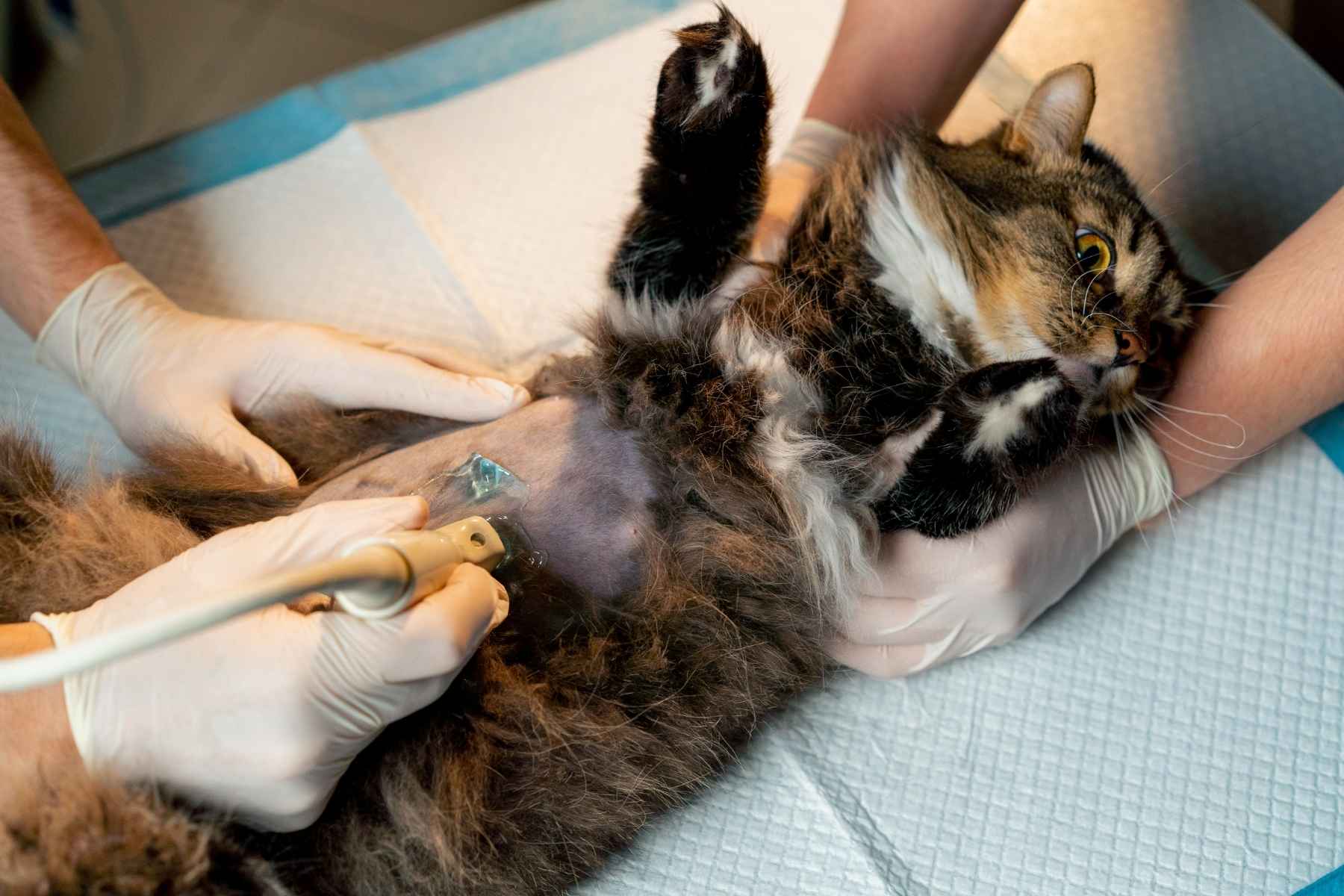
- Imaging studies such as X-rays or ultrasound
Modern diagnostic care helps veterinarians identify kidney disease earlier and monitor progression more accurately over time.
Treatment Options for Kidney Disease in Cats
Treatment depends on the severity of the disease and the cat’s overall health.
Prescription Kidney Diets
Specialized diets are often recommended to reduce strain on the kidneys and help manage symptoms.
Fluid Therapy
Fluids help support hydration and flush toxins from the body. Some cats may require subcutaneous fluids at home.
Medications
Veterinarians may prescribe medications to:
- Control nausea
- Manage blood pressure
- Stimulate appetite
- Reduce protein loss
Monitoring and Follow-Up Care
Regular bloodwork and urine testing are important for monitoring kidney function and adjusting treatment plans as needed.
Can Kidney Failure Be Prevented?
Not all cases of kidney disease can be prevented, but early detection and preventive care may reduce risks.
Helpful preventive steps include:
- Routine wellness exams
- Annual bloodwork for senior cats
- Providing fresh water daily
- Feeding balanced nutrition
- Preventing toxin exposure
- Monitoring changes in appetite or urination
Cats often hide illness well, so routine veterinary visits play an important role in identifying health problems early.
When to Contact a Veterinarian
Pet owners should seek veterinary attention if their cat develops:
- Increased thirst
- Frequent urination
- Weight loss
- Vomiting
- Poor appetite
- Weakness or lethargy
Early intervention may help slow progression and improve comfort.
For pet owners in Independence, MO, recognizing the warning signs of kidney disease can help cats receive earlier treatment and long-term support. At Crysler Animal Hospital, our veterinary team provides comprehensive evaluations, diagnostic care, and personalized treatment plans tailored to each cat’s needs.
If your cat is showing signs of kidney disease or changes in drinking, appetite, or energy levels, schedule your appointment with Crysler Animal Hospital. Our team can help identify the cause of your cat’s symptoms and recommend supportive care options to improve comfort and quality of life.
Frequently Asked Questions
Q1. What are the first signs of kidney disease in cats?
Ans. Early signs often include increased thirst, frequent urination, weight loss, reduced appetite, and mild lethargy. Because symptoms may develop gradually, routine veterinary exams are important for early detection.
Q2. Is kidney failure common in older cats?
Ans. Yes. Chronic kidney disease is one of the most common health conditions affecting senior cats. Aging cats are more likely to experience a gradual loss of kidney function over time.
Q3. Can kidney disease in cats be cured?
Ans. Chronic kidney disease usually cannot be cured, but early diagnosis and treatment may help slow progression and improve a cat’s comfort and quality of life for months or even years.
Q4. How is kidney disease diagnosed in cats?
Ans. Veterinarians typically diagnose kidney disease using blood tests, urine testing, blood pressure evaluation, and sometimes imaging studies such as ultrasound or X-rays.
Q5. What foods should cats with kidney disease eat?
Ans. Cats with kidney disease are often placed on prescription kidney diets that contain controlled protein and phosphorus levels. These diets may help reduce strain on the kidneys and improve overall health.
Q6. When should I take my cat to the veterinarian for kidney concerns?
Ans. You should contact a veterinarian if your cat develops increased thirst, frequent urination, vomiting, weight loss, poor appetite, or unusual lethargy. Early treatment can help manage symptoms more effectively.