As dogs age, their energy levels, mobility, and daily needs begin to change. While your senior dog may not be as active as they once were, maintaining a consistent routine is essential for their physical and mental well-being. At Crysler Animal Hospital, veterinarians often highlight the importance of structured daily habits to help aging dogs stay healthy, engaged, and comfortable.
Simple adjustments—like shorter walks and interactive toys—can make a significant difference in keeping your senior dog active without overexertion. With the right approach, you can support your dog’s health and happiness well into their golden years.
Understanding Your Senior Dog’s Needs
Senior dogs typically experience changes such as reduced stamina, joint stiffness, and slower metabolism. These shifts don’t mean they should stop being active—they just need a more tailored routine.
Key factors to consider include:
- Joint health and mobility
- Weight management
- Mental stimulation
- Energy conservation
A thoughtful routine that balances activity and rest is a cornerstone of effective senior pet care.
Why Short Walks Are Ideal for Senior Dogs
Long, strenuous walks may no longer be suitable for older dogs, but that doesn’t mean exercise should be eliminated. In fact, regular movement is essential for maintaining joint flexibility and muscle strength.
Benefits of short walks include:
- Improved circulation and joint mobility
- Better weight control
- Reduced stiffness and discomfort
- Mental stimulation from new sights and smells
Instead of one long walk, consider 2–3 shorter walks per day, each lasting 10–20 minutes depending on your dog’s condition. Pay attention to your dog’s pace and avoid pushing them beyond their comfort level.
Choosing the Right Toys for Older Dogs
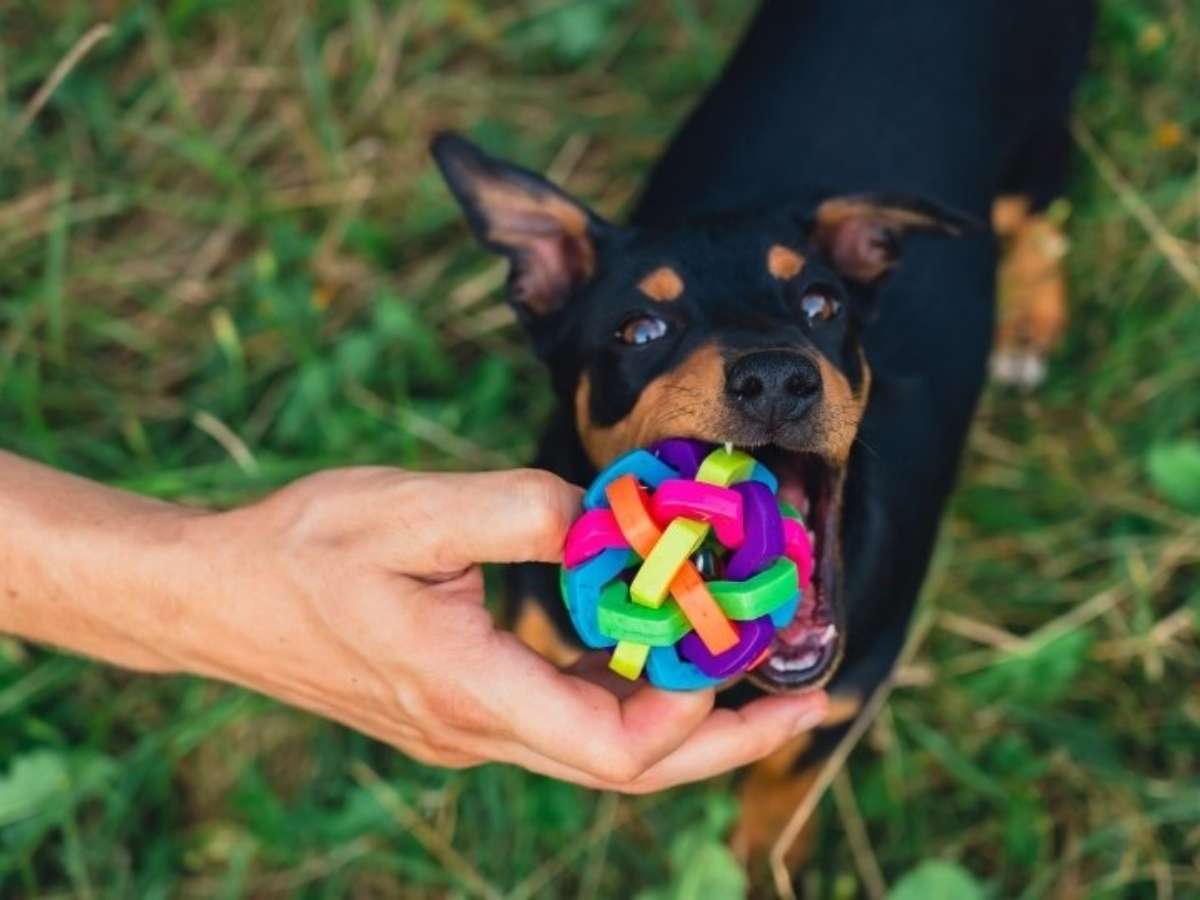
Toys play an important role in keeping senior dogs mentally engaged and physically active. However, their needs differ from those of younger, more energetic dogs.
Ideal toy options for senior dogs:
- Soft chew toys: Gentle on aging teeth and gums
- Puzzle toys: Stimulate the mind and prevent boredom
- Treat-dispensing toys: Encourage light activity and reward engagement
- Plush toys: Provide comfort and mild interaction
Avoid overly hard toys that can damage teeth or toys that require excessive force. The goal is to encourage gentle, enjoyable activity.
Creating a Balanced Daily Routine
A consistent routine helps senior dogs feel secure and reduces anxiety. Here’s an example of a balanced daily schedule:
Morning:
- Short walk
- Light meal
- Rest period
Afternoon:
- Interactive play with toys
- Mental stimulation (training or puzzle toys)
- Relaxation time
Evening:
- Another short walk
- Dinner
- Calm bonding time
Consistency is key. Dogs thrive on predictability, especially as they age.
Signs Your Senior Dog Needs Routine Adjustments
Every dog ages differently, so it’s important to monitor changes and adjust routines as needed.
Watch for these signs:
- Limping or difficulty standing
- Decreased interest in walks or play
- Excessive fatigue
- Weight gain or loss
- Behavioral changes
If you notice any of these, it may be time to modify your dog’s routine or consult a veterinarian.
Supporting Energy Levels Safely
Boosting your senior dog’s energy doesn’t mean increasing intensity—it means optimizing their daily habits.
Helpful tips include:
- Maintain a healthy, age-appropriate diet
- Keep your dog hydrated
- Provide a comfortable resting area
- Use ramps or steps to reduce joint strain
- Schedule regular veterinary checkups
These small changes can significantly improve your dog’s comfort and vitality while supporting long-term senior pet care.
Common Questions Pet Owners Ask
Caring for a senior dog often raises important questions, such as:
- How much exercise is too much for an older dog?
- What types of toys are safest for aging teeth?
- How can I tell if my dog is in pain?
- Should I change my dog’s diet as they age?
- How often should senior dogs see a veterinarian?
- Can older dogs still learn new tricks?
Understanding these concerns helps pet owners make informed decisions about their dog’s care.
When to Consult a Veterinarian
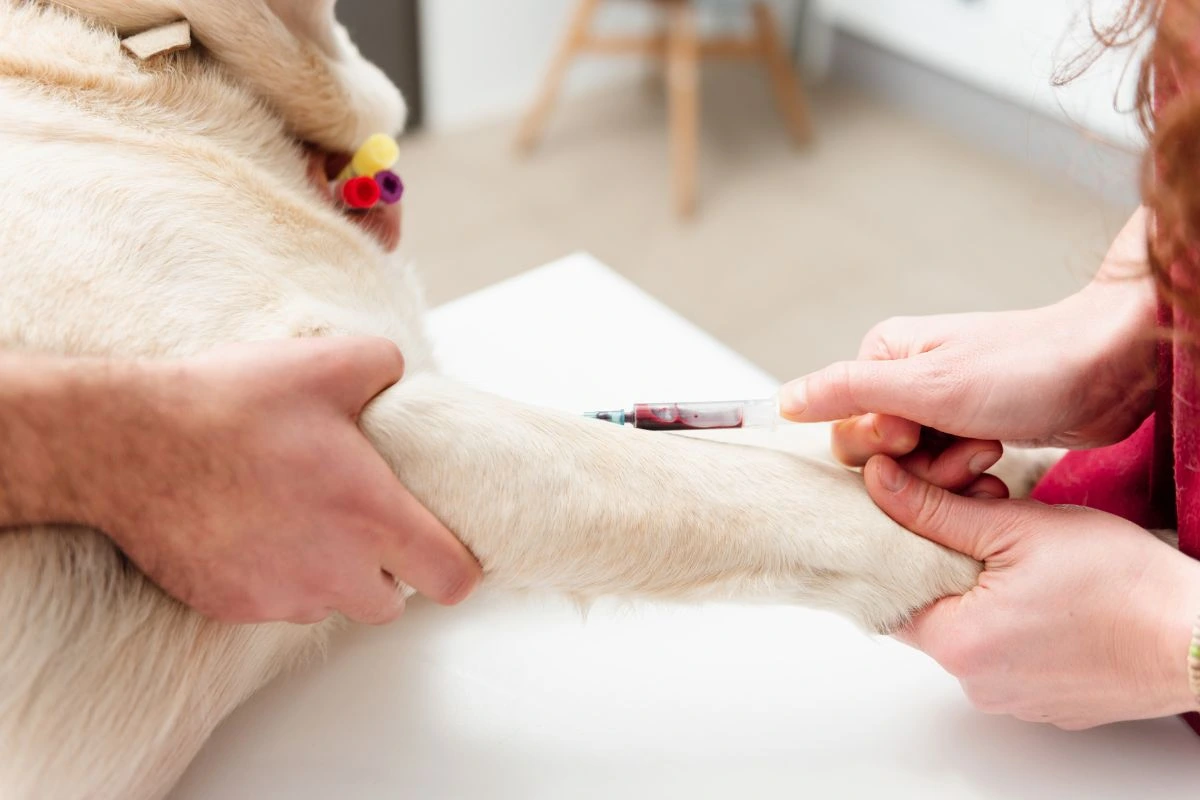
Routine veterinary care becomes increasingly important as dogs age. Regular checkups can help detect early signs of arthritis, dental disease, or other age-related conditions.
If your dog shows discomfort, changes in behavior, or reduced mobility, it’s best to seek professional advice. You can schedule your appointment with Crysler Animal Hospital to ensure your senior dog receives personalized care tailored to their needs.
Caring for a senior dog is all about balance—providing enough activity to keep them healthy while respecting their physical limitations. Short walks and thoughtfully chosen toys are simple yet effective ways to boost energy, maintain mobility, and support mental well-being.
With a consistent routine and attentive care, your dog can continue to enjoy a happy, active life in their senior years. For pet owners seeking experienced veterinary support, trusted care is available in Independence, MO, while these tips remain valuable for dogs everywhere.
FAQs
Q1. How often should I walk my senior dog?
Ans. Most senior dogs benefit from 2–3 short walks daily, depending on their health and mobility.
Q2. Are toys still important for older dogs?
Ans. Yes, toys provide mental stimulation and light physical activity, which are essential for aging dogs.
Q3. What are the signs my senior dog is overexerted?
Ans. Heavy panting, limping, or reluctance to continue walking are signs your dog needs rest.
Q4. Can senior dogs still be trained?
Ans. Absolutely. Older dogs can learn new behaviors with patience and positive reinforcement.
Q5. How do I make my home safer for a senior dog?
Ans. Use non-slip mats, ramps, and provide easy access to food, water, and resting areas.
Q6. How often should senior dogs visit the vet?
Ans. At least twice a year, or more frequently if they have existing health conditions.